Chris is an experienced Digital Marketer and Growth Hacker with work experience in Mckinsey Germany and Rocket Internet Asia. He is the CEO of Oizoioi Malaysia and actively engaged in the Startup Scene in South East Asia.
If you are looking for the list of the best flagship phones November on the market, you’ve come to the right place. Some of these phones offer 8GB RAM. Pick up your favourite right below!
1. Huawei Mate 20 Pro
The latest flagship from Huawei is taking the first place of best flagship phones November, Huawei Mate 20 Pro. In details, Huawei Mate 20 Pro specs flaunt a 6.39-inch AMOLED with a resolution of 1440 x 3120 pixels. In addition, Huawei Mate 20 Pro comes running on Android 9.0 Pie as the operating system and the Hisilicon Kirin 980 chipset as the processor.
Under the hood, Huawei Mate 20 Pro sports 256GB, 8GB RAM or 128GB, 6GB RAM (expandable up to 256GB). On the other side, the Huawei Mate 20 Pro camera rocks a triple 40MP (f/1.8) + 20MP (f/2.2) + 8MP (f/2.4) rear lens, along with a single 24MP front-facing shooter (f/2.0). This phone rocks a decent 4200mAh juice box. Finally, the Huawei Mate 20 Pro price is $987 ~ Rs. 69, 990.
2. Samsung Galaxy Note9
Samsung Galaxy Note9 is the next device of best flagship phones November. Regarding the screen, Samsung Galaxy Note9 specs offer a 6.4-inch Super AMOLED (1440 x 2960 pixels). Powering the Samsung Galaxy Note9 is the Exynos 9810/ Qualcomm Snapdragon 845 chipset. Besides that, Samsung Galaxy Note9 works on Android 8.1 Oreo. Furthermore, Samsung Galaxy Note9 comes in different options: 512GB, 8GB RAM or 128GB, 6GB RAM (upgradable up to 512GB). In the camera system, the Samsung Galaxy Note9 camera carries a dual 12MP (f/1.5-f/2.4) snapper at the back. Meanwhile, there is a single 8MP selfie shooter (f/1.7). Additionally, Samsung Galaxy Note9 battery equips a non-removable 4000mAh power cell. Overall, the Samsung Galaxy Note9 price starts at $957 ~ Rs. 67, 900.
3. Google Pixel 3 XL
Speaking of the display, Google Pixel 3 XL specs feature a 6.3-inch P-OLED with a resolution of 1440 x 2960 pixels. Under the hood, Google Pixel 3 XL works on Android 9.0 Pie. In addition, Google Pixel 3 XL gets power from the Qualcomm Snapdragon 845 chipset, paired with 4GB RAM and unexpandable 64GB/ 128GB ROM. Imaging-wise, Google Pixel 3 XL camera offers a single 12.2MP rear snapper. Talking about the selfies, Google Pixel 3 XL rocks a dual 8MP front-facing shooter. Keeping the light on is a non-removable Li-Po 3430mAh capacity. As for the cost, the Google Pixel 3 XL price is $1, 107 ~ Rs. 78, 500.
4. OnePlus 6T
Here comes the last handset today. OnePlus 6T specs include a 6.41-inch Optic AMOLED (1080 x 2340 pixels). Furthermore, OnePlus 6T runs on Android 9.0 Pie. Besides that, OnePlus 6T takes power from the Qualcomm Snapdragon 845 chipset, paired with 256GB, 8GB RAM or 128GB, 6GB/ 8GB RAM (no card slot). On the other hand, OnePlus 6T camera rocks a dual 16MP (f/1.7) + 20MP (f/1.7) snapper on the rear and a single 16MP front-facing lens (f/2.0). The powerhouse of OnePlus 6T is a non-removable Li-Po 3700mAh power box. Finally, OnePlus 6T price starts at $535 ~ Rs. 37, 999.
Best flagship phones November
In conclusion, OnePlus 6T could be one of the most impressive flagship phones for the affordable price. Besides that, if you prefer photography, you can grab Huawei Mate 20 Pro.
Come and join the race between OPPO Find X vs ZTE Nubia Z18 with 8GB RAM, Dual 24MP Cameras. Which phone is the final winner? Let’s check it out!
OPPO Find X vs ZTE Nubia Z18 specs
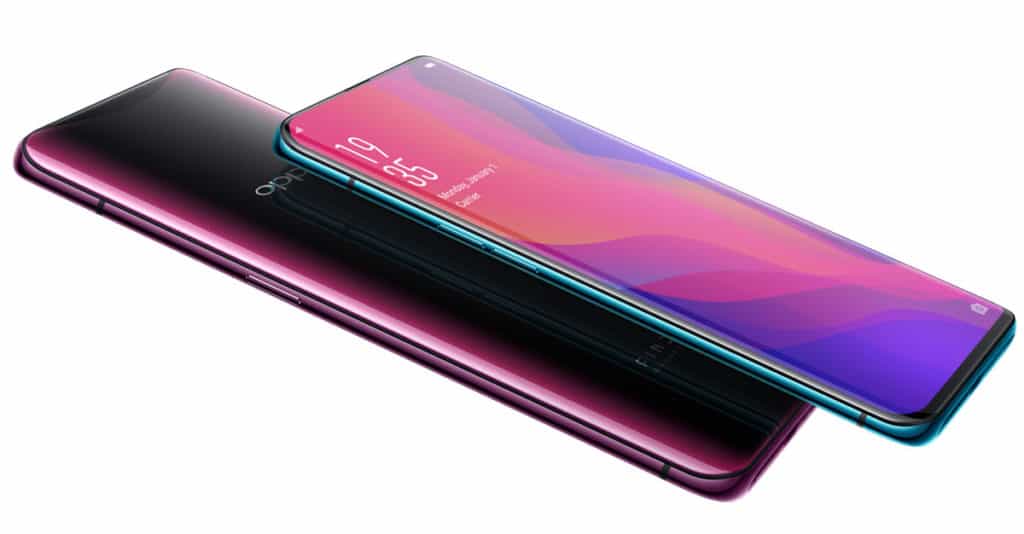
OPPO Find X is one of the most innovative Android flagships of 2018. Meanwhile, ZTE Nubia Z18 is the affordable flagship killer. In details, OPPO Find X specs pack a 6.42-inch AMOLED with a resolution of 1080 x 2340 pixels. As for the ZTE Nubia Z18 specs, this phone flaunts a 5.99-inch LTPS IPS LCD with a resolution of 1080 x 2160 pixels. The first point goes to OPPO Find X for the better display.
Additionally, OPPO Find X and ZTE Nubia Z18 work on Android 8.1 Oreo and Qualcomm Snapdragon 845 chipset. Besides that, speaking of the storage, OPPO Find X offers 8GB RAM and unexpandable 128GB/ 256GB of internal stprage. On the other hand, ZTE Nubia Z18 comes with 128GB, 8GB RAM or 64GB, 6GB RAM. However, there is no MicroSD card. Both of these phones are equal this round.
Photography-wise, OPPO Find X camera rocks a motorized pop-up 16MP (f/2.0) + 20MP (f/2.0) lens on the rear, while the selfie shooter has a motorized pop-up 25MP (f/2.0). Meanwhile, ZTE Nubia Z18 camera packs a dual 24MP (f/1.6) + 16MP (f/1.6) rear camera and an 8MP front-facing shooter (f/2.0). As a result, OPPO Find X dominates this round. How about the capacity? OPPO Find X battery has a non-removable 3400mAh/ 3750mAh juice box. The ZTE Nubia Z18 battery bears a 3450mAh battery box.
OPPO Find X vs ZTE Nubia Z18 release date and price
OPPO Find X release date was in July. As for the OPPO Find X price, it is $775 ~ Rs. 54, 999. Meanwhile, ZTE Nubia Z18 hit the market in September. Besides that, ZTE Nubia Z18 price starts around $414 ~ Rs. 23, 390. With the similar specs, ZTE Nubia Z18 can be a good choice for the lower price tag.
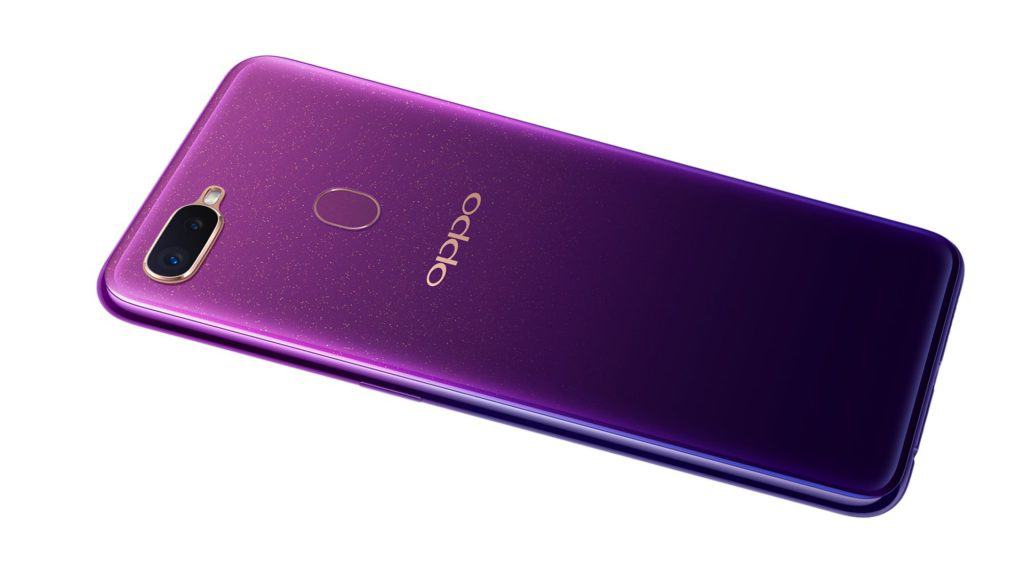
Coming today is the hot news of Oppo Realme U1 debut! Notably, this smartphone now comes with Helio P70 chipset, 25MP selfie camera and more. Let’s read the story of this handset below!
Oppo Realme U1 specs
Previously, Oppo hinted about the Realme U1 which belongs to their new sub-brand Realme. Notably, this OPPO phone is the first handset to take power from the MediaTek Helio P70 chipset. Moreover, the reports also suggested that the phone could feature an IMX576 sensor with 0.9µm pixels for better low-light performance. After many teasing and hints, Oppo finally unveiled this handset for India market! So, what specifications does this phone contain?
In details, Oppo Realme U1 specs consist of a 6.3-inch with Full HD+ resolution at 1,080 x 2,340 pixels. The design of this phone appears a notch, along with the top bezel measures 2.05mm, the side ones are 1.7mm. Regarding the storage, this device sports 4GB RAM and 64GB ROM (upgradable up to 256GB). Moreover, the gadget from Oppo offers a dual 24MP + 16MP camera on the rear and a single 25MP selfie shooter.
Besides, Oppo Realme U1 operates on Android 8.1 Oreo and backed by a large 4230mAh battery. Furthermore, the Realme U1 also equips four big Cortex-A73 cores (plus for A53), along with a Mali-G72 MP3 GPU. Oppo supplies this beast to users in different colors, including Ambitious Black, Brave Blue, and Fiery Gold. The U1 is attractive with its luxurious acrylic back as well as 2.5D Gorilla Glass 3 screen. Additionally, the launch of this cell phone is promoted as “India’s Selfie Pro” because it firstly launched in India.
Oppo Realme U1 release date and price
The Realme handset has been going on sale since November 28. Besides, Oppo Realme U1 price starts at around Rs 15,000. With such an affordable price for great hardware and camera, all the selfie lover should not miss out on this great device!
Today’s spotlight falls on the exciting battle between Nokia Edge Max 2018 vs Sony Xperia XZ4; featuring great 8GB of RAM and 6000mAh battery box. Discover the winner below!
Nokia Edge Max 2018 vs Sony Xperia XZ4 specs
Among the twos, Nokia Edge Max is the next big flagship release from HMD Global. Meanwhile, Sony Xperia XZ4 is one of the anticipated smartphones to launch next year. As for the display, the Nokia Edge Max 2018 specs feature a large 6.2-inch Super AMOLED with a 4K resolution. Whereas, Sony Xperia XZ4 specs include a smaller 6-inch IPS LCD with 2K pixels. Thus, the Nokia flagship is ahead thanks to the better screen.
Regarding the processor, Nokia Edge Max 2018 gets power from the flagship Qualcomm Snapdragon 845 chipset. Whereas, Sony Xperia XZ4 get power from the Qualcomm Snapdragon 855 processor. Moreover, Nokia Edge Max 2018 has 8GB RAM and 128GB/ 256GB ROM. As for Sony Xperia XZ4, this phone comes with 8GB RAM and 128GB/ 256GB ROM. Since both devices expand to 512GB, Sony phone wins this round for the better core.
How about the optics department? Photography-wise, the Nokia Edge Max 2018 camera equips a dual 32MP rear cameras and the 20MP selfie shooter. Meanwhile, Sony Xperia XZ4 camera rocks a dual 19MP rear snapper and a 16MP the front-facing shooter. Therefore, the Nokia flagship gains our vote due to the better camera system. Additionally, the Nokia Edge Max 2018 battery rocks a huge 6000mAh juice box. Whereas, Sony Xperia XZ4 battery draws a smaller 3500mAh capacity. Regarding the software department, these devices run on Android 8.1 Oreo.
Nokia Edge Max 2018 vs Sony Xperia XZ4 release date and price
In conclusion, Nokia Edge Max 2018 release date is at the end of this year, and Sony Xperia XZ4 is coming by early next month. Furthermore, Nokia Edge Max 2018 price is $770 ~ Rs. 49, 078, and Sony Xperia XZ4 price are $850 ~ Rs. 59, 230. In our opinion, the Nokia flagship is the top excellent device in today battle with the better camera and power box.
Coming up today is the Xiaomi Redmi Note 6 Pro camera test with its AI scene detect, Dynamic Bokeh features. Keep on reading to learn more about this device!
Xiaomi Redmi Note 6 Pro camera test
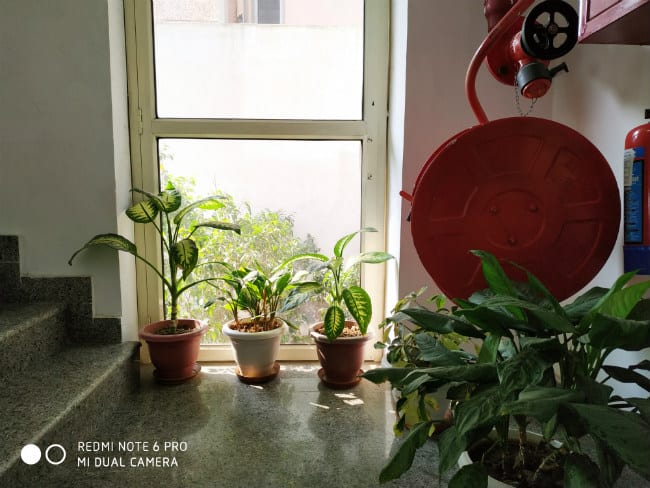
According to our legit sources, the Redmi Note 6 Pro launch in India on November 22 replacing Xiaomi’s best-selling Redmi Note 5 Pro. Eight months later, the Redmi Note 6 Pro is not a significant upgrade with the same Snapdragon 636 chipset. Furthermore, the handset offered in 4GB and 6GB RAM variants with 64GB storage. Most notably, the camera has improved a lot as we have camera samples to show the improvement below.
As we learned, Xiaomi Redmi Note 6 Pro camera relies on a 12+5MP dual rear camera unit (f/1.9), which is the same resolution as its predecessor. Meanwhile, a wider aperture and larger pixels support more light and better photos. On the front, there is a wide notch cut-out to house a 20+2MP dual camera unit for better selfies. Whereas, other photography features include AI scene recognition, portrait mode, Dynamic Bokehs and more.
AI mode
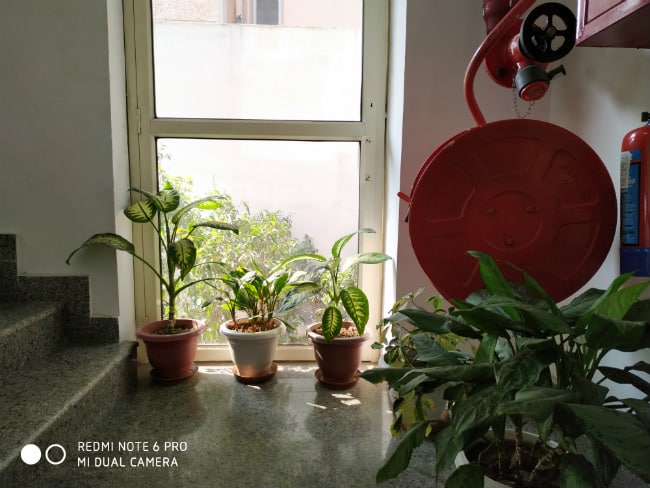
As it concerns, the Redmi Note 6 Pro take visibly better photos than its predecessor. Meanwhile, the image processing is better with more vibrant colors. Whereas, the AI-mode works to recognize scenes like buildings, greenery, flowers, etc. Overall, the photos look quite good, although the white balance was on the warmer side. However, highlight clipping is seen when the light source is too strong. Meanwhile, the AI Mode does not tweak the shutter speed or ISO that enhances the colors in post-production. Besides, the feature managed to recover some details in the shadows.
Shot with AI mode offShot with AI mode on
Low-light Mode
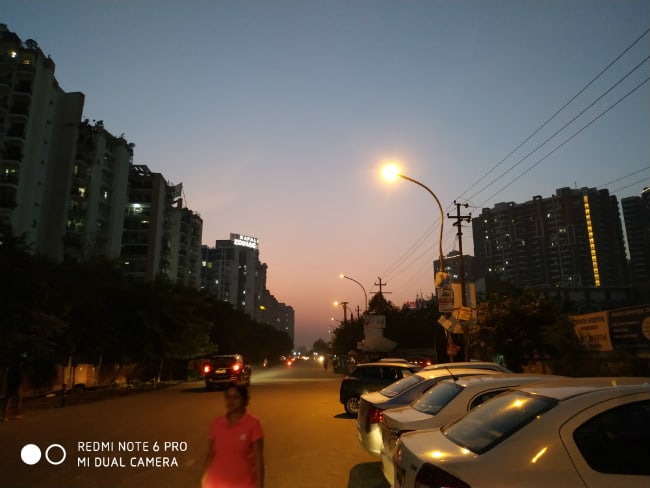
Though we believed the Redmi Note 6 Pro does not quite match up to that quality, it did leave us mildly surprised. In details, the photos taken at dusk had a pleasant hue of orange and blue since the lights on the buildings were discernible. Furthermore, the details like the name of the building are not clear at all. Whereas, there was a pro-mode helps the user with the ISO and the shutter speed. Besides, ISO setting above 1600 would introduce more noise than details.
Shot with Low-light mode
Portrait Mode – Dynamic Bokeh
Otherwise, Xiaomi has introduced a couple of new features. Furthermore, the background blur is assisted by the 5MP secondary sensor that calculates the depth of field in the frame. On the other side, the secondary camera used a second lens and software to enhance the bokehs. Notably, the Dynamic Bokehs animate the background blur with a few options to save the animated bokehs as standalone images or videos.
Shot with Dynamic Bokeh
Front camera
Besides, the front 20MP+2MP dual camera gets the 2MP secondary sensor used for depth sensing. Meanwhile, the primary 20MP sensor can bin four pixels into one super-pixels. On the other side, the pixel size on the front is 0.9um. By binning four pixels into one, the sensor creates five 3.6um pixels to capture more information when the light is poor.
According to the latest reports, the upcoming Nokia 8.1 with dual cameras, a notch screen is going to the last Nokia phone to arrive with a notch! Read on for more details on this handset now!
The Nokia 8.1 can be the last Nokia phone to arrive with a notch!
In 2018, HMD Global was quick to jump on the notch trend with the launch of their new Nokia X series. Notably, the Finnish brand first released the Nokia X6, which then launched internationally as the Nokia 6.1 Plus. Following after, they continued to unveil the Nokia 5.1 Plus (Nokia X5 in China). This November, the brand added one more new member to this series under the name Nokia X7. Notably, the handset is going to arrive on the global market with the name Nokia 8.1.
Today, Twitter Nokia anew (@nokiamobileru) shared that HMD Global will not release another phone with a notch. Previously, this account has been accurately sharing details about the upcoming Nokia phones. Furthermore, they stated that the Nokia 6.2 (successor of the Nokia 6.1/Nokia 6 2018) should arrive with no notch on screen. Instead, the phone is going to feature an “interesting solution” as the account puts it.
Based on the tweet, it seems like the Nokia 8.1 is going to complete the Nokia “notch parade” in the Nokia line-up”. Now, let’s see what the Nokia 8.1 specs pack. Firstly, the Nokia smartphone features a large 6.18-inch IPS LCD with a resolution of 1080 x 2280 pixels and a tall 19:9 ratio. Under the hood, the Nokia device runs on the Qualcomm Snapdragon 710 chipset with Adreno 616 GPU. Regarding the storage, this phone has different variants of 4GB/ 6GB RAM and 64GB/ 128GB ROM (upgradable up to 400GB). Besides that, this device packs a non-removable Li-Ion 3500mAh power box with fast battery charging support. Regarding the optics system, the Nokia 8.1 camera equips a dual 12MP + 13MP lens at the back and a single 20MP selfie lens with an aperture of f/2.0. In addition, this phone runs Android 8.1 Oreo and Android One.
Nokia 8.1 release date and price
The new Nokia smartphone can make its official debut on December 6th. Meanwhile, regarding the cost, the Nokia 8.1 price starts around $336 ~ Rs. 23, 999. Are you planning to purchase this device? What do you think about HMD Global’s decision to drop the notch? Drop a comment to let us know!
Good news, the ZTE Nubia Red Magic Mars is going to hit the market soon with massive 10GB RAM, innovative dual cooling system and more. Catch the full details about this gaming beast below!
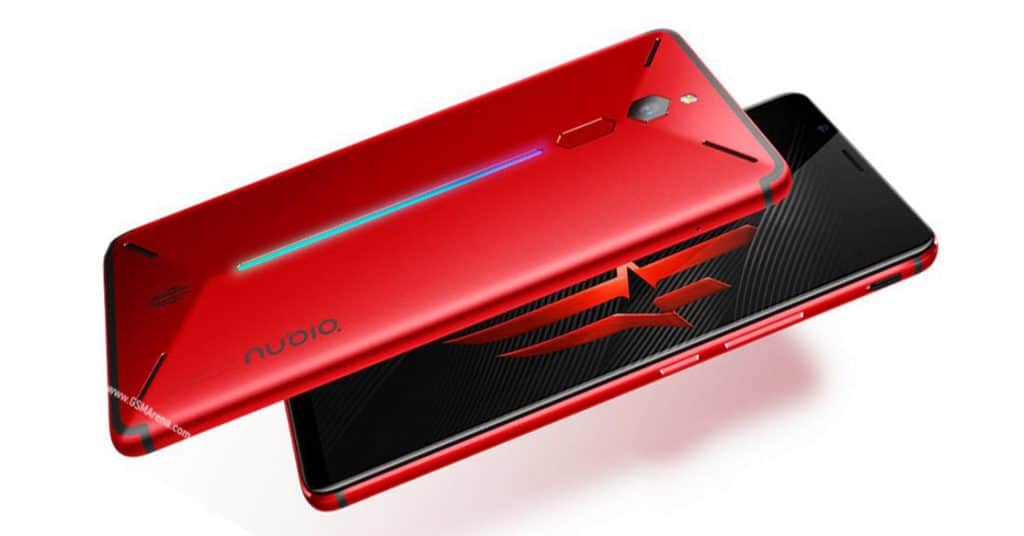
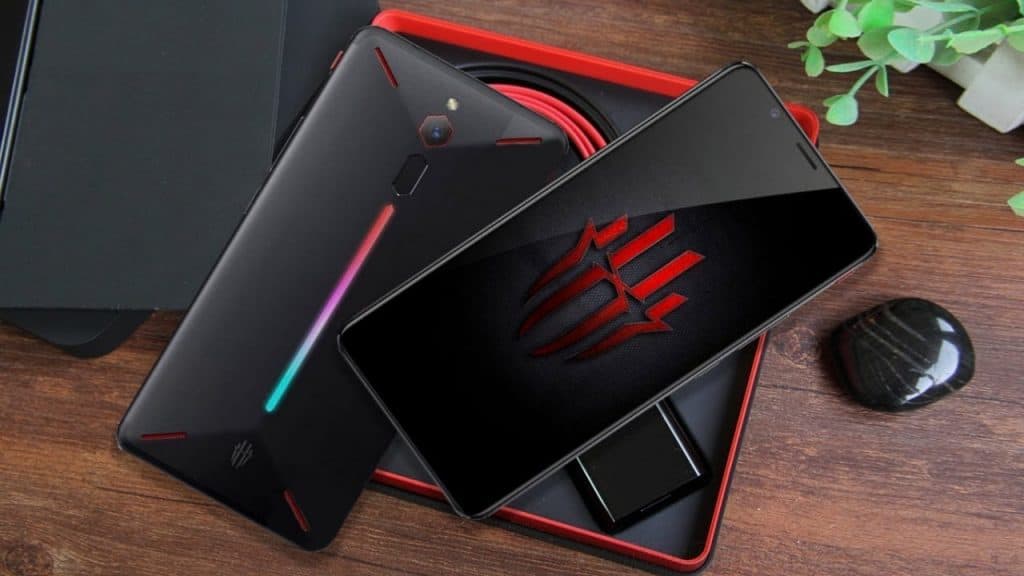
ZTE Nubia Red Magic Mars edition
According to our legit sources, the nubia Red Magic Mars has entered the game with the powerful Snapdragon 845 chipset. Meanwhile, the original version sports the Snapdragon 835 processor. Furthermore, there arrives a system called ICE including dual heat pipe and convection cooling. In details, the system cools down the hot tempers of the God of War. Whereas, the ZTE phone runs Red Magic OS 1.6 based on Android 9.0 Pie.
From what we learned so far, the Red Magic Mars offers up to 10GB of RAM and 256GB storage. Otherwise, the base model starts at 6/64GB of memory. Notably, there would be a dedicated esports button that disables any distractions based on the recent teasers. Also, there are two side-mounted touch-sensitive areas as shoulder buttons. ZTE Nubia Red Magic specs include a 6” IPS LCD screen with 1080 x 2160 pixels.
Whereas, there was a linear motor used to create the “4D Shock” haptic feedback. Furthermore, there are stereo speakers with DTS 7.1 audio that was very important in many games for locating enemies. Also, users can purchase Bluetooth-connected gaming controllers for extra hardware buttons. Meanwhile, there was a box that combines USB-C charging and a 3.5mm headphone jack. Moreover, keeping the light is a 3,800mAh battery. Besides, ZTE Nubia Red Magic Mars camera includes a 16MP rear snapper (f/1.8) and an 8MP selfie snapper. Also, there are Meteorite Black and Flame Red color, alongside the special Camo version for the top model.
ZTE Nubia Red Magic Mars release date and price
From what we learned, the ZTE phone arrived and was available for purchase now. Moreover, the ZTE Nubia Red Magic Mars price starts at CNY 2,700 for the 6/64GB model. Meanwhile, that would be around CNY 3,200 for 8/128GB edition, and CNY 4,000 for the top 10/256GB specimen. Let’s share us your ideas in the comments section below!
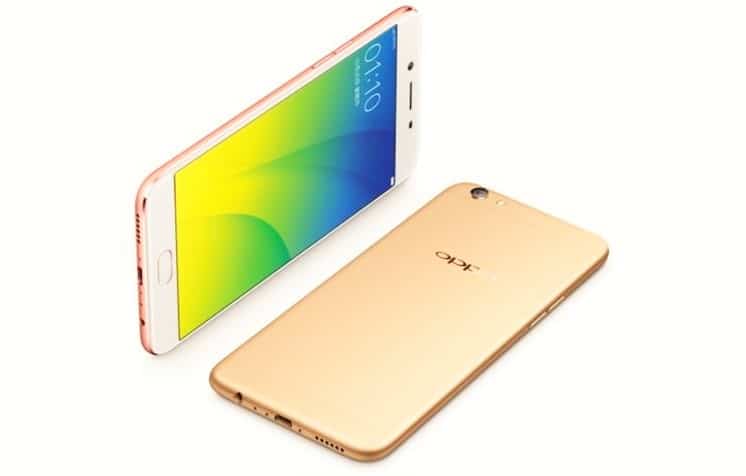
Besides great design and the dual cameras, which features make Realme C1 the best smartphone you can buy under Rs. 8000? Let’s read on to find out!
1. Qualcomm Snapdragon 450:
Up till now, the OPPO Realme C1 is the most affordable phone that runs on the Qualcomm’s Snapdragon 450 chipset. In case you didn’t know, this processor is the best mobile platform you could ask for in this budget. Moreover, this phone also equips all the modern amenities like the Dual SIM Dual VoLTE support.
On the other hand, the octa-core chipset also comes with 2GB RAM and 16GB of storage. Furthermore, the handset includes a dedicated card slot that you may use to add up to 256GB of microSD storage. Finally, the Color OS 5.1 has been optimized to work well without being harsh on system resources, thus resulting in extremely smooth day-to-day performance.
2. Premium Design and Excellent Display:
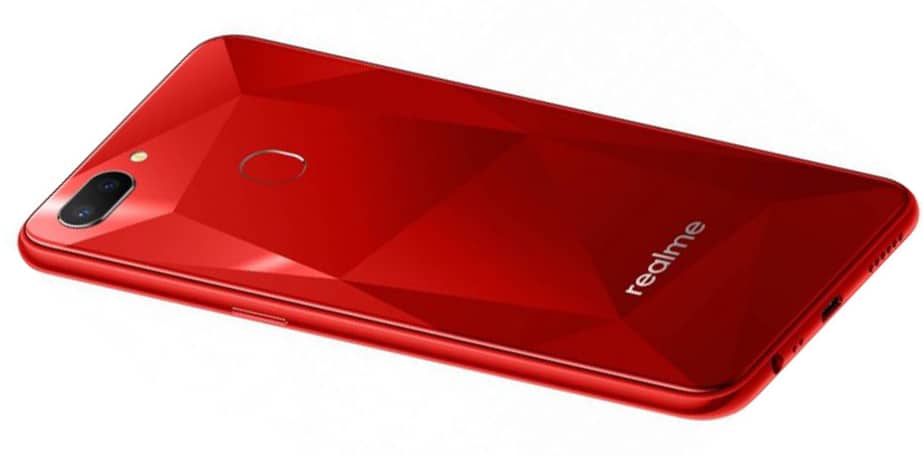
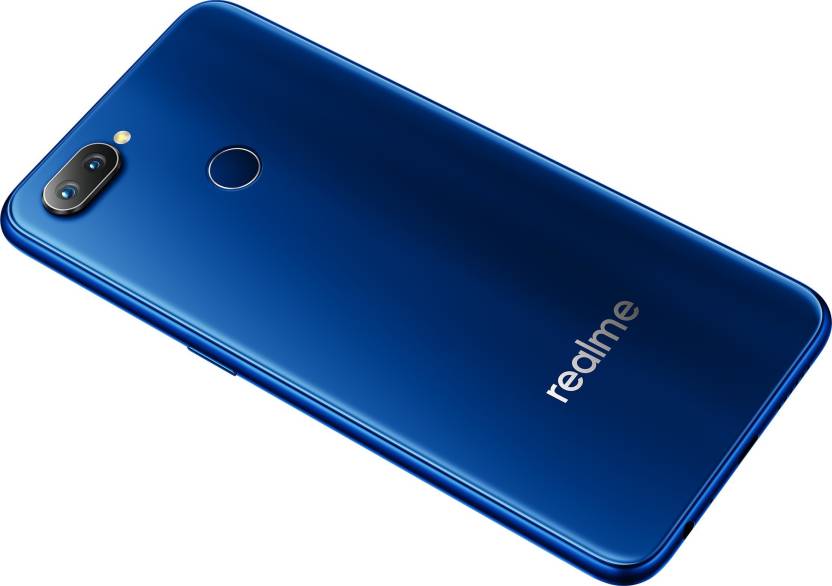
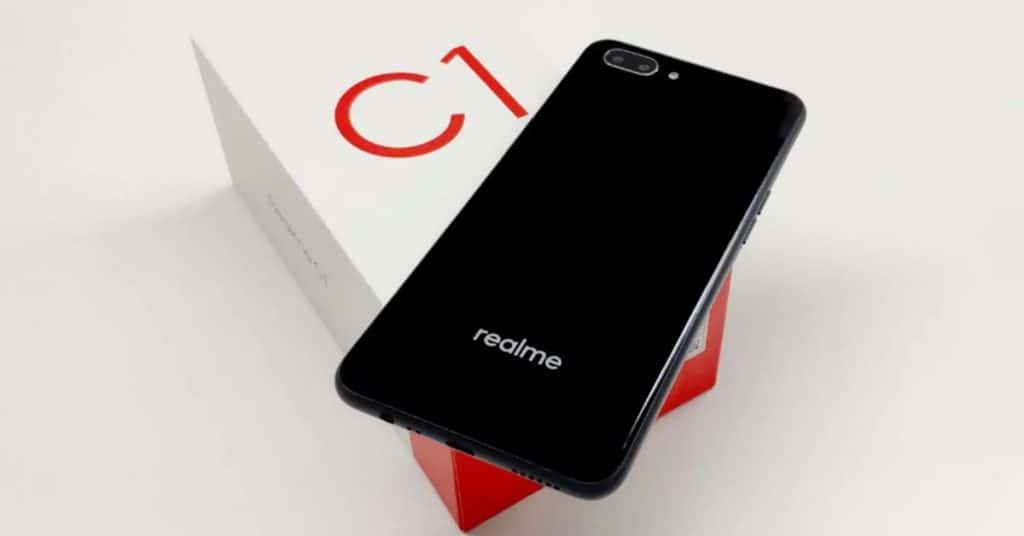
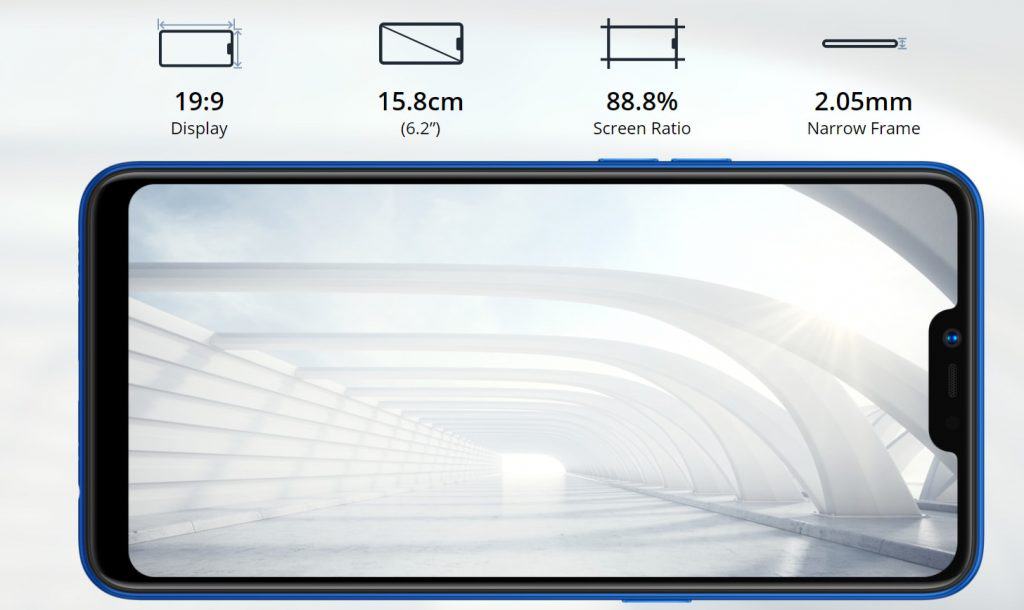
Another highlight of the Realme C1 is its unrivaled design. Firstly, this device comes with a premium glass finish body and is extremely slim. Besides, most of the buttons and ports are easily accessible. The fascia has a staggering screen-to-body ratio of 88.8%, and there is also scratch resistant 2.5D Gorilla Glass 3 protection. The Realme C1 specs include a large 6.2-inch HD (19:9) display. Web browsing, checking social media feeds, or watching social content on this handset is a very pleasant experience. Finally, the Realme phone benefits from a handy ‘night-time reading mode’ and color temperate adjustment toggle.
3. Long-lasting Battery:
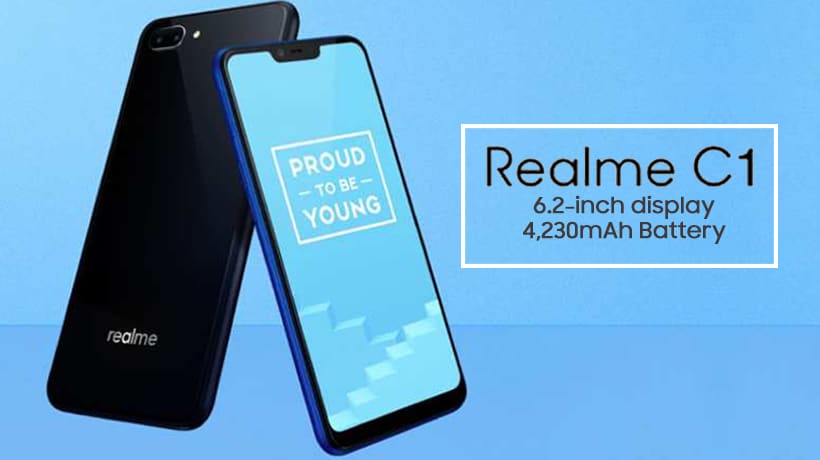
The new Realme C1 now offers a long-lasting and capacious 4230mAh battery. Furthermore, the phone can last after 44 hours of phone calls, 18 hours of playing music with wifi, and 10 hours of intense gaming. Additionally, its software also has great power saving features like ‘APP-freezing Power Saver’ and ‘Quick App Freezing’. They can restrict background activity of apps you don’t use frequently, which results in up to 11 percent improvement in battery mileage.
4. Dual Cameras:
In case you didn’t know, the Realme C1 is one of the few affordable phones that comes with dual rear cameras. On the back, the Realme C1 camera system includes a 13MP primary sensor that’s aided by a 2MP depth sensor. The camera algorithms ensure accurate portrait shots with blur background. Besides, the HDR mode can artistically enhance the dynamic range of your outdoor shots. Meanwhile, the 5MP selfie camera is assisted by AI Selfie software. It can set 296 facial recognition points to understand and remember your countenance. Besides, the setup intelligently adjust image settings based on your age, skin tonne, and more.
Should you buy the new Realme C1?
For such an affordable price under Rs. 8000, the Realme C1 delivers the best in class performance. Its great battery box, display, and the camera further proved that you should consider getting it for your next purchase!
Without a doubt, OPPO is now one of the successful Chinese smartphone manufacturers. Today, why don’t we take a look back at the history of OPPO R flagship series with many exciting photography features and hardware? Let’s have a look!
OPPO R series
As you may know, OPPO has established as one of the major smartphone manufacturers in the country within the mid-tier segment. Based on the report by Counterpoint Research, the company witnessed a 200% spike in their shipment market share in two years (2016-2018). Furthermore, the company is likely to make inroads into the highly competitive Indian smartphone market. Besides, the penetration extends to a global scale.
According to a report by IDC, OPPO reached a global market share of 8.6%. Based on a report by Counterpoint, the OPPO R9s was the best selling smartphone in China in 2017. Moreover, there were three OPPO devices in the list of the top 10 best-selling models, and two of them belong to the R-series. To find out why the R-series of phones so popular, let’s take a look back at the history of the series.
1. OPPO R1:
First launched in 2013, the OPPO R1 tackled the problem of taking quality photos in low-light conditions. In details, OPPO R1 camera includes an 8MP Sony IMX179 rear sensor with a size of 1/3.2-inches and a large f/2.0 aperture lens. Meanwhile, the large sensor size ensures that the camera had plenty of light to capture good images in low-light. Furthermore, the phone optics department offered a Blue Glass Filter to reduce infrared light by 90%. For more details about OPPO R1 specs, check here.
2. OPPO R3:
Following the R1 is the OPPO R3 that was pretty similar to its predecessor regarding the camera. Furthermore, the company focused on the design of the smartphone instead of innovating the camera as the R1. Besides, the device featured a body made out of an Aluminium and Magnesium alloy, which was 6.3mm thin. Otherwise, these two features offered a premium look and felt. Moreover, the ergonomics is the ‘Golden Arc’ edge that made the phone comfortable to hold. Interested in this device? Check OPPO R3 specs here.
3. OPPO R5:
Later, the company took what it learned from its previous smartphones and turned things up with a notch. Whereas, OPPO R5 camera featured a 13MP rear camera with the company’s Pure Image 2.0+ technology. Furthermore, the phone offered a bunch of cool features including UltraHD that took multiple images. Moreover, the function stitched it together to create a 50MP photo. Notably, users got the option of changing the focus of the image after it was taken. Learn more about OPPO R5 specs here.
4. OPPO R7:
On the other side, the OPPO R7 sported a premium metallic body crafted from aircraft-grade magnesium-aluminum alloy. Besides, the ratio in the phone is as high as 92.3%, and the metal goes through 48 polishing processes. Moreover, OPPO R7 camera equips a 13MP front unit with Phase Detection Autofocus (PDAF). Whereas, the feature offered faster-focusing speeds helps users never miss any precious moments. Find more details about OPPO R7 specs.
5. OPPO R9:
Whereas, the OPPO R9 aimed to combine the company’s front and rear camera process in a single device. In details, OPPO R9 camera offered a 13MP camera at the back and a large 16MP camera on the front. Besides, the phone provided some selfie-centric features such as the company’s Beautify 4.0 technology and screen flash. Also, the popularity of the phone spawned many devices like the OPPO R9 Plus, R9s, and R9s Plus. For OPPO R9 specs, check it out here.
6. OPPO R11:
Notably, the company took things to another level by offering a total of three cameras on the smartphone. As we learned, OPPO R11 camera sports a dual-rear setup with a 20MP+16MP camera combination. Moreover, the snapper allowed users to enjoy 2x optical zoom. Meanwhile, the rear wide-angle lens offered a large f/1.7 aperture lens that improved low-light photography. Besides, OPPO R11 could take Portrait photos. Whereas, the R11 Plus offered a larger display, while OPPO then released the R11s and R11s Plus with an 18:9 display aspect ratio. Check it out the OPPO R11 specs here.
7. OPPO R15:
Recently, the OPPO R15 made it even better by adding AI features. Furthermore, OPPO R15 camera used the power of AI to make the pictures better without the user’s explicit involvement. Whereas, the A.I. Scene Recognition feature can recognize 120 scenes and change the settings to take the best photo. Besides, AI was also used with the front-facing camera that automatically analyses the user regarding gender, age, skin color, skin texture, face. Check OPPO R15 specs.
Coming soon this year would be the OPPO R17 flagship with many exciting innovations, along with the OPPO R17 Pro. The two smartphones are arriving in India, which offered better design, stronger hardware and camera performance. For ones to learn more about the OPPO R17 specs, figure out here.
Are you waiting for the race between two beasts Samsung Galaxy Beam Pro 2019 vs Xiaomi Black Shark Helo with amazing 10GB RAM? Let’s figure out!
Samsung Galaxy Beam Pro 2019 vs Xiaomi Black Shark Helo specs
Between the two, Samsung Galaxy Beam Pro 2019 is a new addition to the Galaxy Beam series. Meanwhile, Xiaomi Black Shark Helo is the next gaming-focused smartphone from the brand. Let’s start the battle with the display. In details, Samsung Galaxy Beam Pro 2019 specs offer a 5.9-inch Super AMOLED (1080 x 1920 pixels). Besides that, Xiaomi Black Shark Helo specs pack a larger 6.01-inch AMOLED (1080 x 2160 pixels) and win the first round.
Furthermore, Samsung Galaxy Beam Pro 2019 and Xiaomi Black Shark Helo work on Qualcomm Snapdragon 845 chipset as the processor. In addition, Samsung Galaxy Beam Pro 2019 sports 10GB RAM and 128GB/ 256GB of onboard storage (upgradable up to 256GB). Xiaomi Black Shark Helo has 256GB, 10GB RAM or 128GB, 6GB/ 8GB RAM (no card slot). With the external storage, the Samsung beast takes back one point.
Coming to the software department, Samsung Galaxy Beam Pro 2019 and Xiaomi Black Shark Helo come running on Android 8.0 Oreo. In the camera system, Samsung Galaxy Beam Pro 2019 camera rocks a dual 34MP camera and a 16MP selfie shooter. Whereas, Xiaomi Black Shark Helo camera carries a dual 12MP + 20MP lens on the rear, along with a single 20MP selfie shooter. The Samsung phone gets another point thanks to the better optics department. Powering the Samsung Galaxy Beam Pro 2019 rocks a massive 8000mAh power cell. Meanwhile, Xiaomi Black Shark Helo battery bears a smaller 4000mAh battery box.
Samsung Galaxy Beam Pro 2019 vs Xiaomi Black Shark release date and price
Samsung Galaxy Beam Pro 2019 release date can fall at the beginning of 2019, and the Samsung Galaxy Beam Pro 2019 price should start at $500 ~ Rs. 34, 287. Meanwhile, Xiaomi Black Shark Helo price is $550 ~ Rs. 38, 999. Finally, Samsung Galaxy Beam Pro 2019 is the better choice because of the long-lasting battery.
Good news for Nokia lovers! Get ready for the arrival of one upcoming beast from HMD Global with amazing 10GB RAM, 47MP PureView Camera. Take a look at the Nokia XPlus Pro 2019 below!
Nokia XPlus Pro 2019 specs
In 2018, HMD Global has regained their popularity of the Nokia smartphone brand. Notably, they announced various new Nokia Android smartphones, including the standard Nokia series and the notched-screen Nokia X. In this article, we’d like to talk about the upper-level Nokia XPlus Pro flagship. In terms of the screen, the Nokia XPlus Pro 2019 specs come with a 5.8-inch AMOLED with Full HD resolution of 1440 x 2960 pixels.
As for the hardware department, the Nokia smartphone gets power from the Qualcomm Snapdragon 8150 chipset. Furthermore, the Nokia phone sports huge 10GB RAM and two ROM options: 256GB/ 512GB. Additionally, the Nokia device can be upgradable up to 256GB for external memory via a MicroSD card. Whereas, the Nokia phone carries a 5700mAh juice box with fast battery charging. Under the hood, the Nokia XPlus Pro comes running on the latest Android 9.0 Pie.
Imaging-wise, the Nokia XPlus Pro 2019 camera is going to equip an impressive 47MP PureView camera on the rear. As for taking the selfies and video calls, the XPlus Pro 2019 features a single 20MP front-facing lens. Both the front and rear camera setups support phase detection autofocus and dual-LED dual-tone flash. As for the connectivity options, they include 4G VoLTE, Wi-Fi, Bluetooth, NFC, Bluetooth, and more…
Nokia XPlus Pro 2019 release date and price
There is no official news about the launch date of Nokia XPlus Pro. We hope to see the Nokia flagship at the beginning of 2019. Meanwhile, regarding the cost, the Nokia XPlus Pro 2019 price can start around $750 ~ Rs. 53, 180. Stay tuned and wait for more updates!
Many smartphone makers are gearing up to launch 5G smartphones in 2019 with fantastic specs such as 10GB RAM, triple-lens cameras. Here’s what you can expect.
1. OnePlus:
Previously, OnePlus has announced its plans to launch a 5G-ready smartphone in 2019. Notably, they reiterated the same multiple times throughout this year. While we were expecting the OnePlus 7 to become the first 5G-ready smartphone from this brand, it looks like the company has special plans for this handset. A representative from the company recently said that 5G is going to mark the beginning of a new line-up of smartphones from OnePlus.
The new OnePlus 5G phone release date can fall sometime in the first half of 2019. As a result, we can look forward to seeing its prototype at the Mobile World Congress (MWC) event in Barcelona, Spain. Additionally, the OnePlus 5G phone price is also a heated discussion. Over the year, the company has been increasing the base price of its phones. With 5G being a hot new feature, there is a high chance that the new OnePlus 5G smartphone to cost a bit higher than usual.



 Best Nokia Phones October 2025: 18GB RAM, 200MP Cameras!
 Best Nokia Phones August 2025: 16GB RAM, 8800mAh Battery!
 Best Smartphones Of 2025: 200MP Cameras, 16GB RAM!