Author: Chris Eilers
The World First Ever 512GB MicroSD Card is Now Official!
With smartphones becoming more and more functional, we are all in need of massive storage. Wait no more! The world first 512GB microSD card has made its official debut this January! Find out more information about it right below!
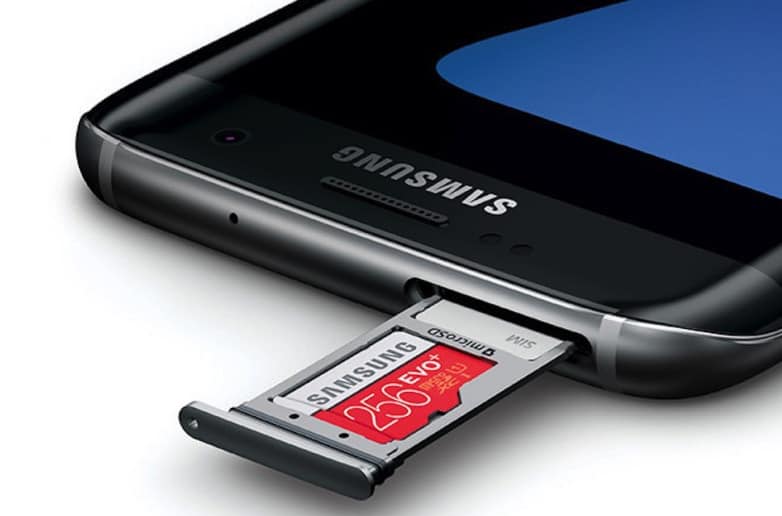
The World First 512GB microSD Card is Finally Here!
Nowadays, a 256GB microSD card is a standard feature of most smartphones on the market. In 2017, SanDisk has introduced their latest microSD card with the capacity up to 400GB. Moreover, SanDisk microSD card has the transfer speeds up to 100MB/s. However, 400GB isn’t enough to keep customers satisfied! Today, Integral Memory is officially releasing their next manufactured microSD card with impressive storage: 512GB!
In details, the Integral Memory new microSD card is quite different from SanDisk’s 400GB card. Firstly, the Integral’s 512GB microSD isn’t quite as fast. For now, the card transfer speeds peal at 80MB/s. On the other hand, Integral’s card is rated UHS-I Class 1. This means that this monster microSD card meets the ‘video speed class’ V10 specification. Furthermore, it has the necessary 10MB/s write speeds to support Full HD video on smartphones and other devices.
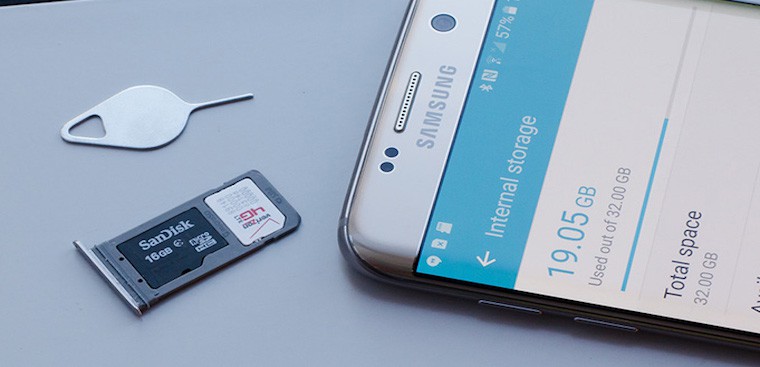
According to Integral, they stated that for now, cloud storage had created threats to the role of memory cards. However, many smartphone users are going keep choosing memory cards, since this option allows them to upgrade part of the phone rather than buying a new one. Moreover, James Danton, Marketing manager of Integral Memory also shared his insight on the new microSD card development. He said: “Consumers have been clear in their call for increased storage, as mobile devices have become essential to many in everyday life”. “The need to provide extended memory for smartphones, tablets and a growing range of other mobile devices such as action cams and drones has been answered. As a company, we are very proud to be the first to achieve the 512GB capacity milestone in microSDXC, worldwide”.
Integral Memory 512GB microSD Card release date and price
According to Integral, the new 512GB microSD card is going to be available to all customers starting February 2018. As for the cost, we expect Integral Memory 512GB microSD card price to begin at $250 (Rs.15917). What do you think about this new microSD card monster? Are you going to equip one for your handset? Drop a comment to let us know!
You May Like
-
 Sony Xperia Ultra Max Pro Specs: 200MP Cameras, 19100mAh Battery!
-

-
Nokia Joker 2026 Specs: 200MP Cameras, 9800mAh Battery!
-
Nokia Horizon 2026 Specs: 200MP Cameras, 12800mAh Battery!
-
 Nokia Titan 2026 Specs: 16GB RAM, 9700mAh Battery!
-
Redmi Note 15 Series Goes Global With 200MP Cameras, 6580mAh Battery, Price!
Apple iPhone with the 6.1-inch display to drop the 3D Touch feature!
After Ming-Chi Kuo’s predictions about Apple iPhone in 2018, we come across a new detail about one of the upcoming iPhone. Notably, the iPhone with a 6.1-inch display won’t be coming with 3D Touch feature. Scroll down for more information below!
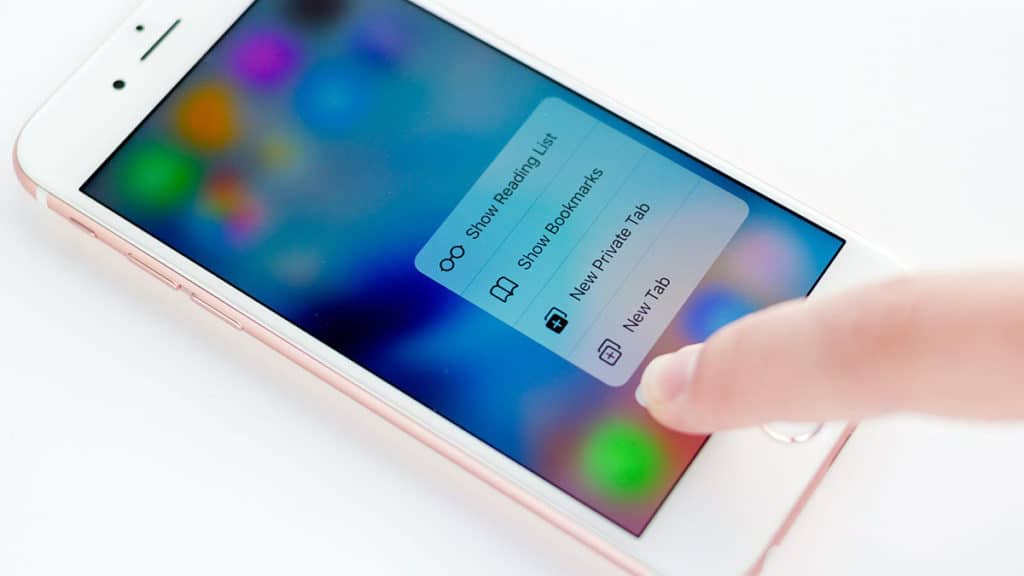
Apple iPhone with a 6.1-inch display to drop the 3D Touch feature!
In 2017, Apple has launched a total of three handsets: iPhone 8, iPhone 8 Plus and iPhone X. However, the US tech giant seems to have a big plan for 2018, with up to four iPhones in progress. According to our sources, Apple is planning to release the next gen of iPhone SE, two iPhone X’s successor and one new iPhone. For the second gen of Apple iPhone X, there are going to be a 5.8-inch handset and another 6.5-inch iPhone Xs Plus.
On the other hand, the new Apple iPhone specs sport a 6.1-inch LCD screen with the resolution of 750 x 1334 pixels. Moreover, the display also has Ion-strengthened glass, oleophobic coating and Wide colour gamut. However, it seems like Apple is going to drop the 3D Touch feature in this handset. Under the hood, this iPhone takes power from the Apple A11 Bionic chipset and is going have iOS 11, upgradable to iOS 11.2.
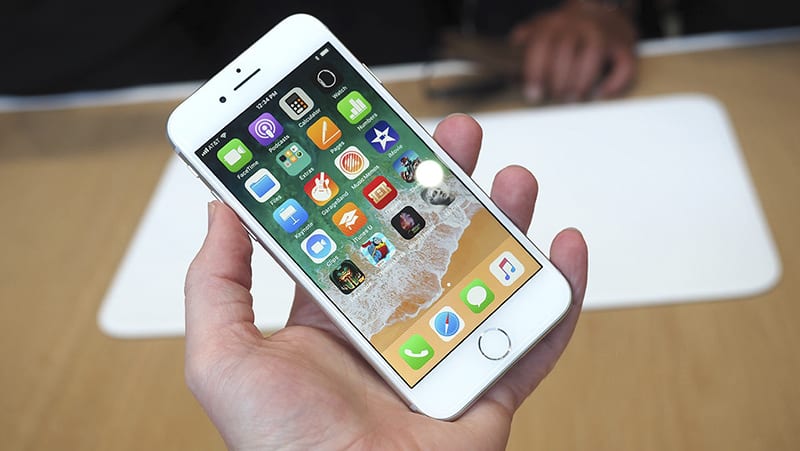
In term of the storage, the new Apple iPhone offers 2GB RAM and different storage options: 64GB/128GB/256GB (no card slot). How about its photography ability? The new Apple iPhone camera system sports a 12MP (f/1.8, 28mm) rear snapper. There is also phase detection autofocus, OIS, quad-LED dual-tone flash and check quality. On the other hand, this iPhone also has a 7MP (f/2.2, 1080p@30fps, 720p@240fps) selfie shooter. Finally, Apple new iPhone provides a non-removable Li-Ion 1821mAh battery with wireless charging support.
The new Apple iPhone release date and price
According to Ming-Chi Kuo, this new iPhone is a mid-range level handset. Moreover, this Apple iPhone price can start from $700 – $800 (Rs.44544 – Rs.50000). Besides, this iPhone is going to debut in Quarter 2 of 2018, after the release of iPhone SE 2! Until then, we will keep you update once more information comes out! Stay tuned!
You May Like
-
Sony Xperia Ultra Max Pro Specs: 200MP Cameras, 19100mAh Battery!
-
-
Nokia Joker 2026 Specs: 200MP Cameras, 9800mAh Battery!
-
Nokia Horizon 2026 Specs: 200MP Cameras, 12800mAh Battery!
-
Nokia Titan 2026 Specs: 16GB RAM, 9700mAh Battery!
-
Redmi Note 15 Series Goes Global With 200MP Cameras, 6580mAh Battery, Price!
Huawei P20 vs Samsung Galaxy Beam 3: tri-camera setup, 4500mAh battery!
Are you ready for another battle between Huawei and Samsung? It’s Huawei P20 vs Samsung Galaxy Beam 3! One of these handsets features tri-camera setup and 6GB RAM! Who will be the final winner? Scroll down to find out!

Huawei P20 vs Samsung Galaxy Beam 3 specs
Firstly, Huawei P20 is the next flagship release from this Chinese brand with an impressive camera setup! On the other hand, Samsung Galaxy Beam 3 is the next mid-range handset from Samsung hitting the market after the Galaxy A8 2018. Let’s check out the display! Huawei P20 specs offer a 6-inch display with 1440 x 2560 pixels. Besides, Samsung Galaxy Beam 3 specs sport a 5.7-inch Super AMOLED display (1080 x 1920 pixels). One point to Huawei this round for better resolution!
The Huawei handset takes power from a Kirin 970 octa-core chipset. Meanwhile, Samsung Galaxy Beam 3 runs on the latest Qualcomm Snapdragon 845 processor. It’s quite hard to say who the winner is. Regarding the storage, Huawei P20 offers 6GB RAM with 128GB ROM. Moreover, Samsung Galaxy Beam 3 provides 3GB/4GB RAM with 64GB/128GB ROM. Additionally, both storages are expandable up to 256GB via microSD card. The Huawei handset moves up another point with greater RAM!

How about the photography? Huawei camera system offers 40MP ProTriple-lens on the back and a 24MP selfie camera. On the contrary, Samsung Galaxy Beam 3 camera sports a dual 16MP rear sensor and an 8MP selfie shooter. Without a doubt, the Huawei phone wins this round! Both Huawei P20 and Samsung Galaxy Beam 3 are going to run on the latest Android 8.0 Oreo. Finally, Huawei P20 offers a 3600mAh battery capacity. Besides, the Galaxy Beam 3 packs a 4500mAh capacity. The Samsung handset wins back the final point!
Huawei P20 vs Samsung Galaxy Beam 3 release date and price
For now, there is no official information about the Samsung Galaxy Beam 3 availability. Additionally, Huawei P20 release date falls in April 2018. As for the cost, Huawei P20 price starts at $1013 ~ Rs. 64,999. On the other hand, Samsung Galaxy Beam 3 price starts around $421 ~ Rs. 26.990. With a much higher price, the Huawei phone proves to be a great flagship. On the contrary, the Samsung Galaxy Beam 3 is also a great mid-range for those who have a low budget!
You May Like
-
Sony Xperia Ultra Max Pro Specs: 200MP Cameras, 19100mAh Battery!
-
-
Nokia Joker 2026 Specs: 200MP Cameras, 9800mAh Battery!
-
Nokia Horizon 2026 Specs: 200MP Cameras, 12800mAh Battery!
-
Nokia Titan 2026 Specs: 16GB RAM, 9700mAh Battery!
-
Redmi Note 15 Series Goes Global With 200MP Cameras, 6580mAh Battery, Price!
Samsung Galaxy S9 and S9 Plus receive certification for fast charging capabilities!
At Mobile World Congress 2018, Samsung plans to announce two upcoming high-end smartphones: Samsung Galaxy S9 and S9 Plus. In addition, these devices get 3C certification. Scroll down for more details!
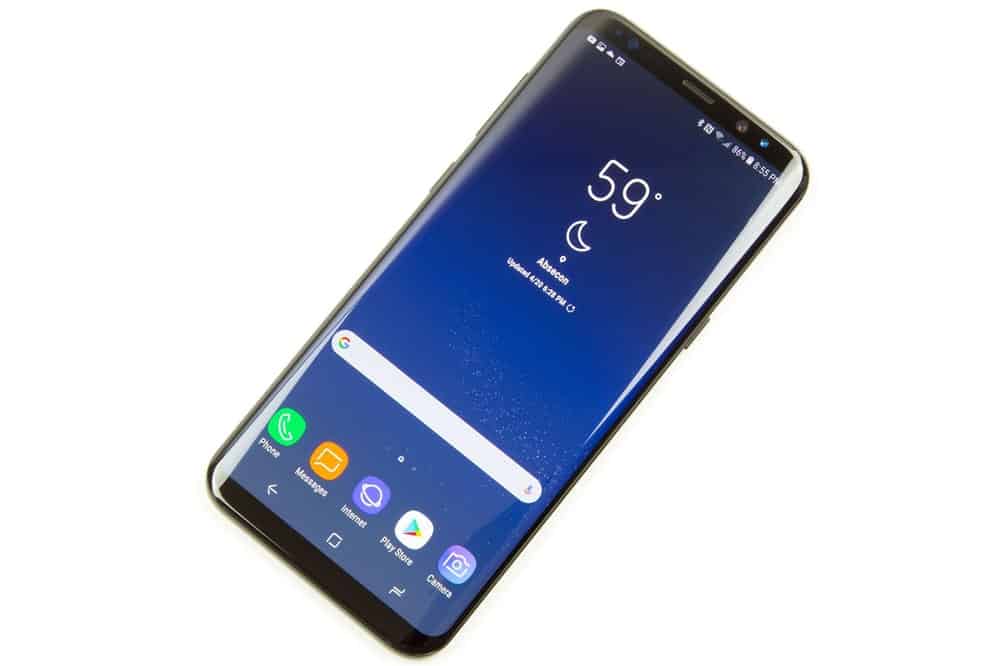
Samsung Galaxy S9 and S9 Plus: not upgrade the fast charging?
After getting the FCC certification, the Samsung Galaxy S9 and Galaxy S9 Plus do have received another certification: the 3C. We might know it as one of China’s market important certifications. Based on the leaked images, the Galaxy S9 and Galaxy S9 Plus come with model numbers SM-G9600/DS (the Galaxy S9 China edition), SM-G9608/DS (the Galaxy S9 Taiwan variant), and SM-G9605/DS (the Galaxy S9 Plus China edition).
Furthermore, these smartphones are going to support for standard 5V/2A charging and 9V/1.67A (15W) fast charging. As a result, they are the same as all of the previous Samsung devices with fast charging support. The Galaxy S9 battery might pack a non-removable 3000mAh capacity, while the Galaxy S9 Plus rocks a bigger 3500mah juice box. Additionally, both of these upcoming phones run on the latest Android 8.0 Oreo as the operating system.
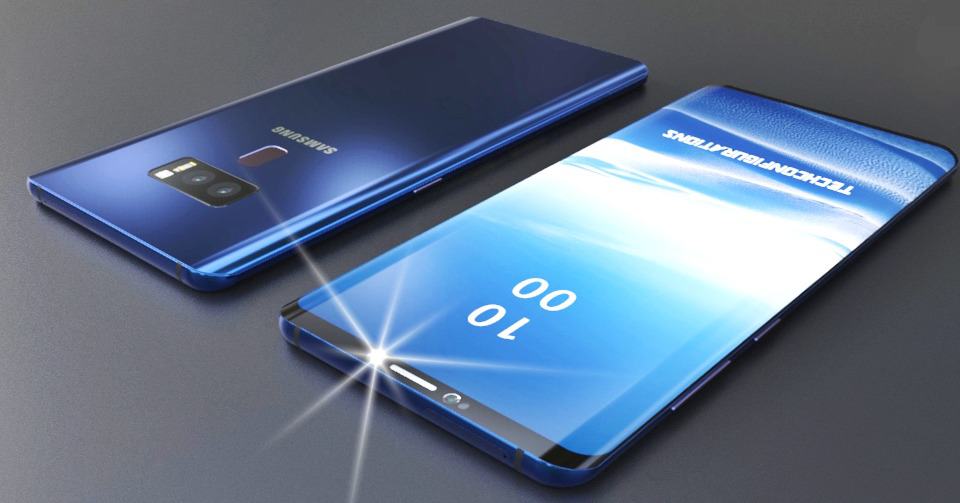
Next, let’s take a close look at other specs. The Galaxy S9 and S9 Plus might get power from two new chipsets: Qualcomm Snapdragon 845 and Exynos 9810. On the other hand, the Galaxy S9 specs sport 4GB RAM with 64GB ROM. Meanwhile, the Galaxy S9 Plus specs offer 4GB/ 6GB RAM with 64GB/ 128GB ROM. Both can be expandable up to 256GB via microSD card. Regarding the photography, Samsung Galaxy S9 camera system has a 12MP rear sensor (f/1.5) and an 8MP selfie snapper (f/1.6). Besides that, the Galaxy S9 Plus camera system comes with a dual 12MP camera on the back (f/1.6, f/2.4) and an 8MP front-facing shooter (f/1.6).
Samsung Galaxy S9 and S9 Plus release date and price
Samsung Galaxy S9 Plus and Samsung Galaxy S9 release date are in February 2018 at MWC. For the cost, Samsung Galaxy S9 price is $916 ~ Rs. 58,415, while the Galaxy S9 Plus starts at $1013 ~ Rs. 64,601. What is your opinion of these upcoming phones? Share your opinion with us!
You May Like
-
Sony Xperia Ultra Max Pro Specs: 200MP Cameras, 19100mAh Battery!
-
-
Nokia Joker 2026 Specs: 200MP Cameras, 9800mAh Battery!
-
Nokia Horizon 2026 Specs: 200MP Cameras, 12800mAh Battery!
-
Nokia Titan 2026 Specs: 16GB RAM, 9700mAh Battery!
-
Redmi Note 15 Series Goes Global With 200MP Cameras, 6580mAh Battery, Price!
LEAGOO S9: The World’s First iPhone X Android clone arrives at MWC 2018!
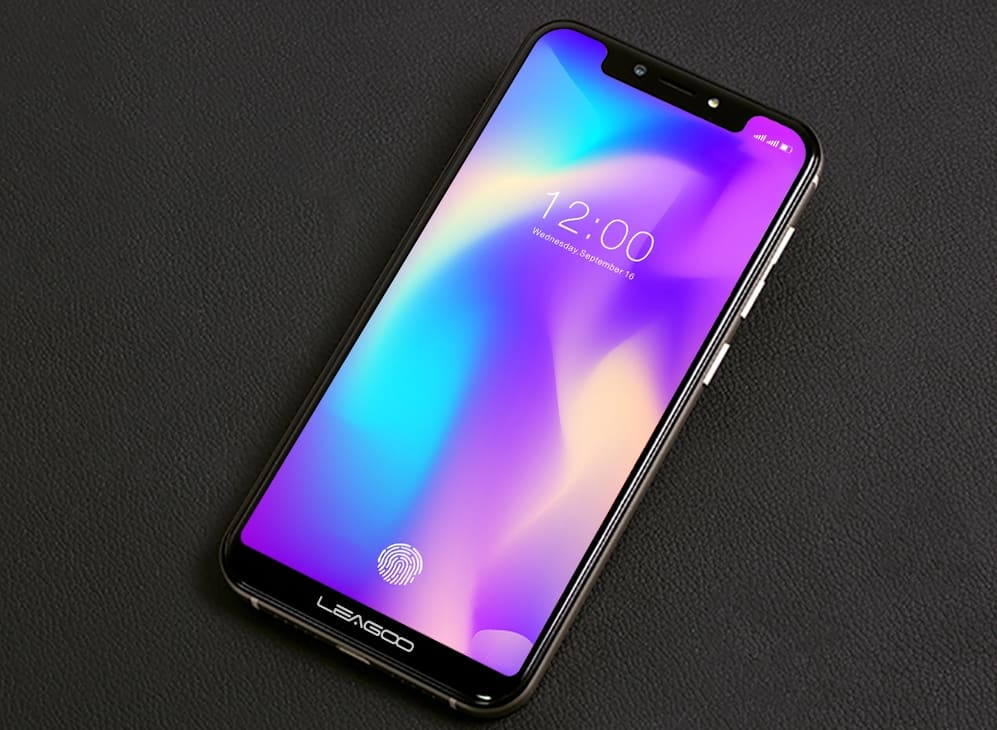
The full-screen display is one of the trends in the mobile world. Following this trend, LEAGOO plans to announce a notch phone just like iPhone X: LEAGOO S9. Keep on reading to get more information about the upcoming LEAGOO phone!
LEAGOO S9 specs
As we may know, there are three different types of full-view display. The first type is Infinity Display (Samsung Galaxy S8 and Galaxy S8 Plus). In addition, the second type is Tri-bezel-less display (Xiaomi Mi Mix series). The last one is Notch display (iPhone X). Moreover, according to leaked images, LEAGOO plans to introduce the next device which might have a top notch like the Apple iPhone X. This phone is LEAGOO S9.
Based on LEAGOO sources, the upcoming LEAGOO device might offer the Face ID feature. With this technology, the LEAGOO phone may unlock the device in 0.1 seconds. Furthermore, LEAGOO S9 specs come with a 5.85-inch IPS HD+ display with a resolution of 1080 x 2160 pixels. On the other hand, the next LEAGOO device gets power from the MediaTek MT6757, along with 4GB RAM and 64GB of internal storage. Moreover, there is a micrSD that can expand up to 256GB via microSD card.
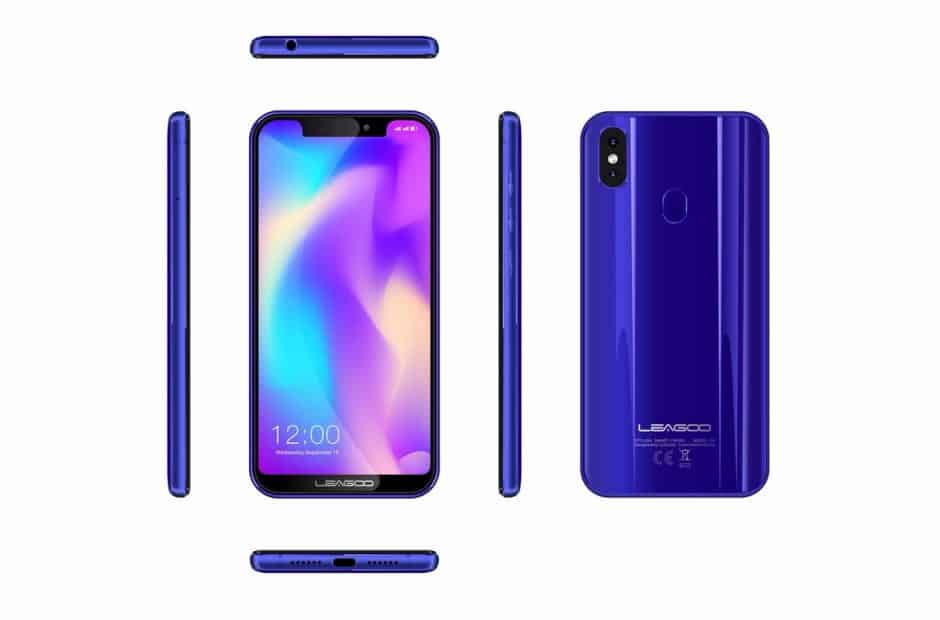
How about the photography? LEAGOO S9 camera system might feature a dual 13MP rear sensor and an 8MP front-facing snapper for taking selfies. In terms of the battery, the LEAGOO device packs a 4000mAh juice box. Additionally, the next LEAGOO device works on Android 7.1 Nougat.
LEAGOO S9 release date and price
LEAGOO S9 release date is in February 2018 at Mobile World Congress in Barcelona. For the cost, we don’t know the price of upcoming LEAGOO phone until this device hit on the market. However, we expect it might start at $247 ~ Rs. 15,800. Are you excited about the upcoming LEAGOO phone? Stay tuned and wait to get more news from us!
You May Like
-
Sony Xperia Ultra Max Pro Specs: 200MP Cameras, 19100mAh Battery!
-
-
Nokia Joker 2026 Specs: 200MP Cameras, 9800mAh Battery!
-
Nokia Horizon 2026 Specs: 200MP Cameras, 12800mAh Battery!
-
Nokia Titan 2026 Specs: 16GB RAM, 9700mAh Battery!
-
Redmi Note 15 Series Goes Global With 200MP Cameras, 6580mAh Battery, Price!
4 must-change Android Settings: Personalised ads, Doze-off features..
If you are one of millions Android users for years, you cannot skip our topic today. We are giving you a list of 4 must-change Android Settings to make your device become better. Scroll down to learn more!
1. Use Google services wisely
Most Android devices will feature Google services as built-in apps. For those who type fast, numbers line becomes a real issue. However, as a solution Gboard offers users to allow number row in the keyboard, users just need to go to Gboard settings -> Preferences -> Turn on the toggle for number row. Most browsers feature top address bar, which is inconvenient for big screen devices. To change, type “chrome://flags” into the address bar -> “Chrome Home Android” -> “Find in page”. Search “home” and select “Enabled”.
Another feature bothers users most is personalized-ads from Google. The solution is to go to Settings -> Google -> Ads -> Enable Opt out of Ads Personalization. Besides, users can choose to turn on instant apps by going to Settings -> Google -> Enable Instant Apps -> Yes to check-in apps without instalment. Moreover, Android users may also want to enable the Google Play Protect, security services for your handset. To enable this feature, simply go to Settings -> Google -> Security -> Google Play Protect -> Turn on.
2. Hide sensitive content
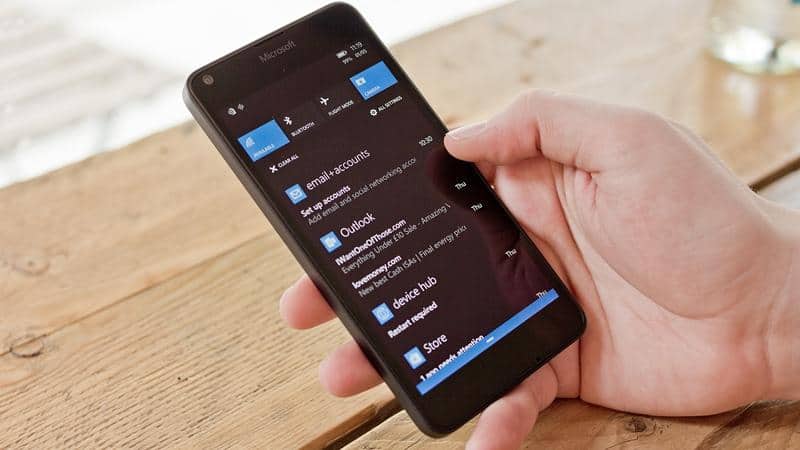
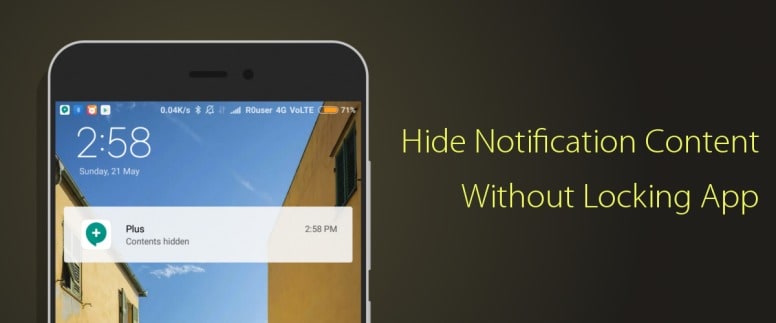
The lock screen is not always secured if you know that we can always interact with notifications. If users prefer some privacy for important data, it is better to hide those notifications. What you need to do is going to the Settings, scroll down for Notifications and select “Cog icon on the upper-right”. Next, close Settings apps and select “Hide sensitive notification content” right on your lock screen.
3. Enable instant auto-lock
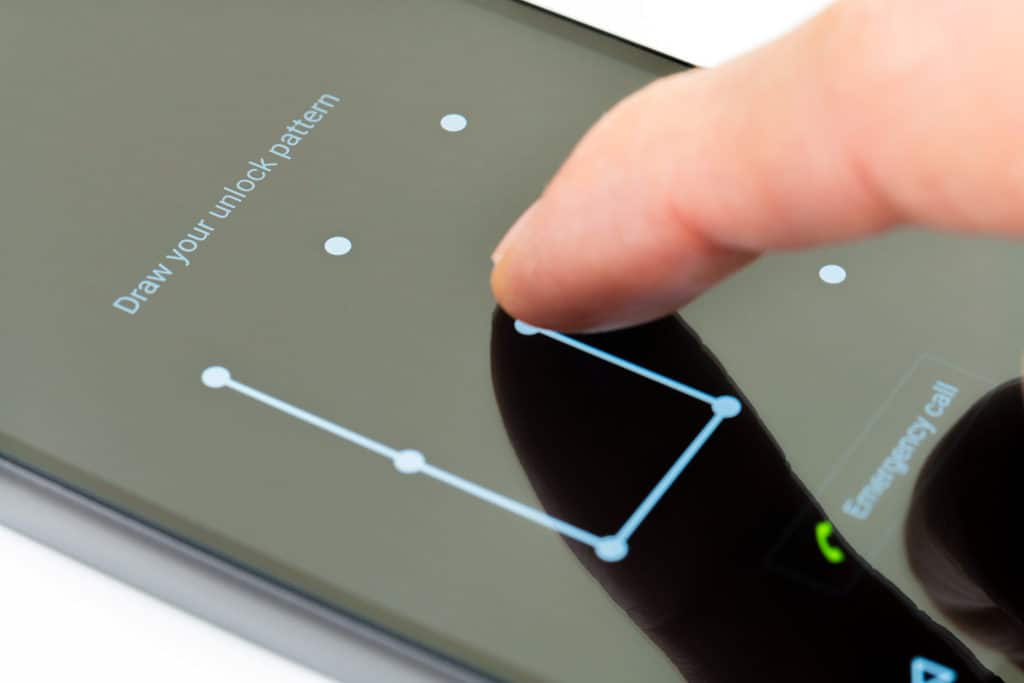
Instant auto-lock is a very useful feature to prevents your information from mischievous people when they get their hands on your device. In this case, you can choose to lower your screen timeout by going to Settings, select Display and enable Sleep. Moreover, decreasing standby time and quickly putting your device to lock and screen off is a good solution to save your device battery.
4. Disable Doze-off mode
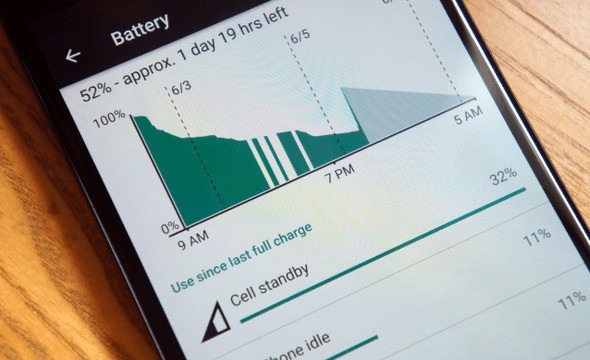
Finally, Doze-off mode is a feature since Marshmallow version of Android, which helps to save the battery of your Android devices. However, this feature can also do harm than good by delaying notifications from messaging apps, creating VPN issue… However, if you are not preferred to use this feature, you can disable it by going to Settings, find “Battery”, tap the three dots and select “Select Doze and app hibernation”. Finally, turn it off if you would like to exclude.
4 must-change Android Settings
That brings our list of 4 must-change Android Settings to an end. For now, these are the very good tricks for you to optimize your device. Android is a good OS if we use its features wisely. What else do you want to contribute to this list? Drop a comment to share with others and stay tuned for more tech goodness from us!
You May Like
-
Sony Xperia Ultra Max Pro Specs: 200MP Cameras, 19100mAh Battery!
-
-
Nokia Joker 2026 Specs: 200MP Cameras, 9800mAh Battery!
-
Nokia Horizon 2026 Specs: 200MP Cameras, 12800mAh Battery!
-
Nokia Titan 2026 Specs: 16GB RAM, 9700mAh Battery!
-
Redmi Note 15 Series Goes Global With 200MP Cameras, 6580mAh Battery, Price!
LG Aristo 2 now comes official: 13MP camera, 5-inch display..>
LG Aristo 2 now comes official as an upcoming mid-range with good specs and an affordable price. As far as it concerns, LG Aristo 2 sports 13MP camera and a 5-inch display. Keep on reading to learn more!
LG Aristo 2 now comes official
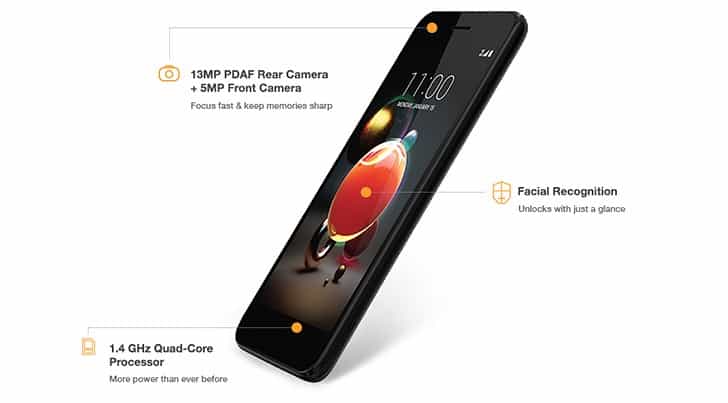
Last year, MetroPCS and T-Mobile introduced the affordable LG Aristo in the US market. So far this year, we welcome the launch of LG Aristo 2, the best choice for those looking for a device with Android Nougat and reasonable price. In details, LG Aristo 2 specs include a 5.0-inch IPS touchscreen with HD resolutions of 1280 x 720 pixels. Moreover, the new LG device runs on Android Nougat 7.1.2 (not upgradable to Oreo).
Under the hood, the LG Aristo phone sports a Qualcomm Snapdragon 425 processor and bigger 2GB RAM. LG Aristo 2 might get a variant taking power from a MediaTek chipset. According to our sources, on the other hand, the LG handset comes with 16GB of internal storage, which includes 9GB of users accessible and is expandable to 32GB via microSD card. Besides, LG Aristo 2 battery, which is removable, comes up with 2410mAh of capacity.
In terms of optics, LG Aristo 2 owns a 13MP primary shooter with an aperture of f/2.0. Besides, LG Aristo 2 also packs a 5MP front-facing snapper. In addition, some other highlights of LG Aristo 2 include its 4G-LTE network and Wifi calling support. In details, the function provides users 17 hours of talk time on a full charge.
LG Aristo 2 release date and price
LG Aristo 2 is now official since January 15 while LG Aristo 2 price tag comes around $140 ~ Rs. 8911, and is going on sale at only $59 ~ Rs. 3,755. In our opinion, the new LG device is not a device to knock your socks off but is for those looking a backup handset with Android Nougat and a bit more RAM. If so, nothing more could find it to be a tempting choice. What do you think about this handset? Drop a comment to let us know and stay tuned!
You May Like
-
Sony Xperia Ultra Max Pro Specs: 200MP Cameras, 19100mAh Battery!
-
-
Nokia Joker 2026 Specs: 200MP Cameras, 9800mAh Battery!
-
Nokia Horizon 2026 Specs: 200MP Cameras, 12800mAh Battery!
-
Nokia Titan 2026 Specs: 16GB RAM, 9700mAh Battery!
-
Redmi Note 15 Series Goes Global With 200MP Cameras, 6580mAh Battery, Price!
Samsung Galaxy S9 vs OPPO R13: 6GB RAM, 4000mAh battery!
Let’s take a look at the battle between Samsung Galaxy S9 vs OPPO R13. One of these competitors offers massive 6GB RAM with 4000mAh juice box. Keep on reading to find out the winner!

Samsung Galaxy S9 vs OPPO R13 specs
Samsung Galaxy S9 is one of the most awaited flagships to come out in this year. Meanwhile, OPPO R13 is the next flagship in OPPO R line. Furthermore, Samsung Galaxy S9 specs offer a 5.8-inch Super AMOLED with an 18:5:9 ratio (1440 x 2960 pixels). Besides that, OPPO R13 specs feature a larger 6-inch AMOLED Quad HD (1440 x 2560 pixels). The Samsung phone gets one point thanks to the higher resolution.
On the other hand, Samsung Galaxy S9 runs on the Qualcomm Snapdragon 845, while OPPO R13 gets power from the Qualcomm Snapdragon 835. Samsung Galaxy S9 wins this round for its better chipset. In addition, Samsung Galaxy S9 comes with 4GB/ 6GB RAM and 64GB/ 128GB ROM. Besides that, OPPO R13 sports 6GB RAM with 64GB/ 128GB ROM. Moreover, both can be expandable up to 256GB via microSD card.

Additionally, Samsung Galaxy S9 camera system has a 12MP rear sensor and an 8MP selfie snapper. Regarding the OPPO R13 camera, this phone offers a dual 12MP snapper on the back and a 20MP front-facing shooter. With the better camera setup, OPPO R13 takes back one point. In addition, Samsung Galaxy S9 battery packs a 3200mAh juice box, while OPPO R13 draws a bigger 4000mAh capacity. No doubt that OPPO R13 wins this round. Besides that, both run on Android 8.0 Oreo.
Samsung Galaxy S9 vs OPPO R13 release date and price
Samsung Galaxy S9 release date falls around February 2018., while OPPO R13 is coming in March 2018. For the cost, Samsung Galaxy S9 price is $916 ~ Rs. 58,336. Meanwhile, OPPO R13 price starts around $770 ~ Rs. 49,518. We recommend OPPO R13 for its better camera system and the bigger battery. How about you? Let us know!
You May Like
-
Sony Xperia Ultra Max Pro Specs: 200MP Cameras, 19100mAh Battery!
-
-
Nokia Joker 2026 Specs: 200MP Cameras, 9800mAh Battery!
-
Nokia Horizon 2026 Specs: 200MP Cameras, 12800mAh Battery!
-
Nokia Titan 2026 Specs: 16GB RAM, 9700mAh Battery!
-
Redmi Note 15 Series Goes Global With 200MP Cameras, 6580mAh Battery, Price!
Huawei Honor 9 Lite: An impressive quad-camera setup with a low price tag!
Huawei Honor 9 Lite is known as the budget-friendly phone with 4GB RAM, 300mAh battery. However, this phone provides a quad-camera setup with some impressive features. Take a look below for more details!
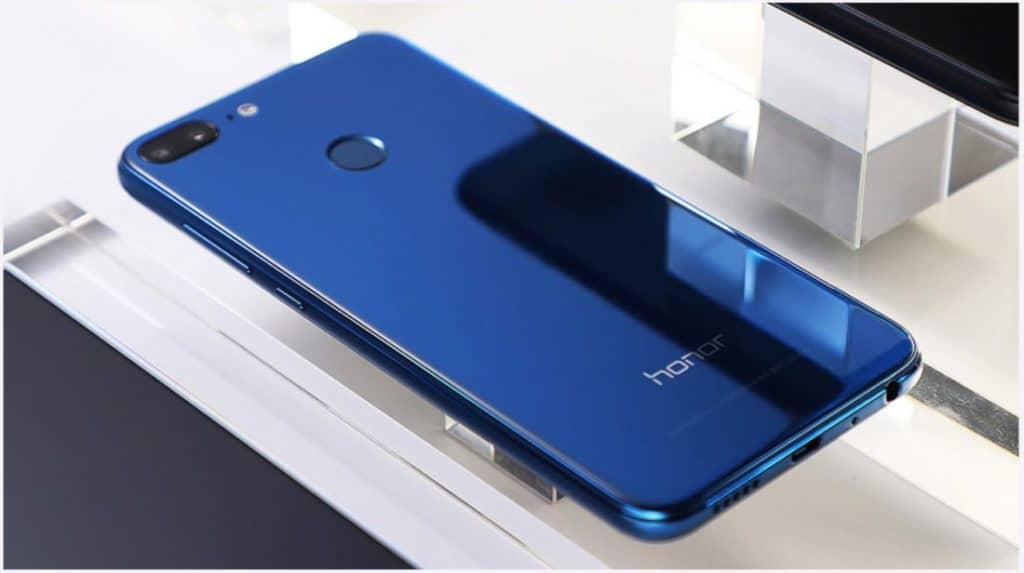
Huawei Honor 9 Lite: Four-lens camera!
After the launch of the mid-tier flagship Huawei Honor View 10, Huawei has launched the Honor 9 Lite with premium camera features for its low price tag. First of all, let’s take a look at the highlight of the Honor 9 Lite. The Honor 9 Lite camera system comes with a quad-camera setup: a dual 13MP + 2MP dual-lens snapper at both front and rear. Also, the camera supports bokeh effect, portrait mode, beauty mode, night photo, live photo.
Furthermore, you can capture bokeh shots from the camera on the back and front. Moreover, the Huawei Honor 9 Lite also offers high-end specs such as slow-motion, time-lapse, panorama selfie, HDR,… Next, let’s talk about other specs. Huawei Honor 9 Lite specs offer a 5.65-inch IPS LCD with an 18:9 ratio (1080 x 2160 pixels). On the other hand, the Honor 9 Lite gets power from Hisilicon Kirin 659 chipset, along with 3GB/4GB RAM with 32GB ROM, 4GB RAM with 64GB ROM (expandable up to 256GB).
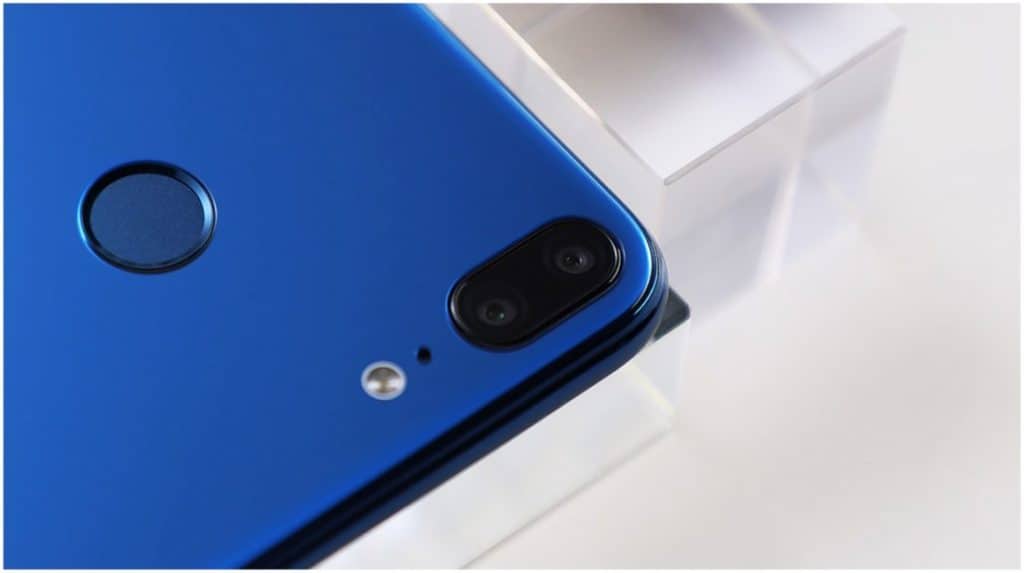
Additionally, the Honor 9 Lite has the latest Android 8.0 Oreo as the operating system and packs a non-removable Li-Po 3000mAh battery capacity. Besides that, the Honor 9 Lite comes in seven choices of colour: Midnight Black, Sapphire Blue, Glacier Gray, Navy, Seagull Gray, Magic Nightfall, Pearl White.
Huawei Honor 9 Lite release date and price
Huawei Honor 9 Lite release date was in December 2017. In terms of the cost, Huawei Honor 9 Lite price starts at $172 ~ Rs. 10,999. What is your opinion of this Huawei phone? Drop a comment below to let us know!
You May Like
-
Sony Xperia Ultra Max Pro Specs: 200MP Cameras, 19100mAh Battery!
-
-
Nokia Joker 2026 Specs: 200MP Cameras, 9800mAh Battery!
-
Nokia Horizon 2026 Specs: 200MP Cameras, 12800mAh Battery!
-
Nokia Titan 2026 Specs: 16GB RAM, 9700mAh Battery!
-
Redmi Note 15 Series Goes Global With 200MP Cameras, 6580mAh Battery, Price!
Huawei trademarks the Huawei P11 name after the Huawei P20!
After registering the Huawei P20, this Chinese brand goes ahead and trademarks another name: Huawei P11. The Huawei P10’s successor can come with 8GB RAM, Tri-cam setup! Scroll down for more information!
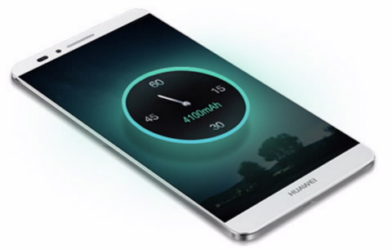
Huawei trademarks the Huawei P11 name: more Huawei phone incoming!
Previously, Huawei has trademarked the Huawei P20 name in the US. As a result, many fans think that this Chinese brand is going to release the Huawei P20 as the successor of the P10. However, it looks like we might be wrong. Today, we come across the news that Huawei officially trademarks the Huawei P11 name. Moreover, the Chines brand files for the trademark in various regions. Besides the US, there is also the UK, Taiwan, Hong Kong and other countries.
On the other hand, we also catch Huawei web team in the act of preparing the info pages of the upcoming handsets. In details, there is going to be the Huawei P11 and another Huawei P12 smartphone. Let’s talk about the Huawei P11. Firstly, Huawei P11 specs sport a 5.5-inch AMOLED display (1080 x 2160 pixels) with 18:9 of aspect ratio. Under the hood, this Huawei phone takes power from a Kirin 970 chipset and 8GB RAM.
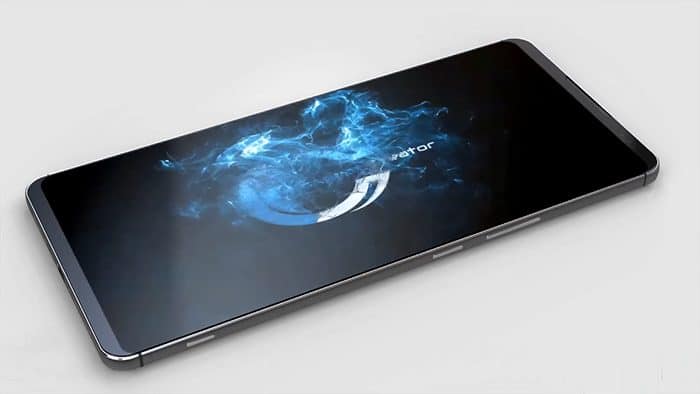
Regarding the storage, the P11 provides 64GB/128GB ROM, which is expandable up to 256GB. Additionally, the Huawei flagship is going to run on the latest Android 8.0 Oreo. As for the photography, Huawei P11 camera includes a 40MP three-camera on the back. Besides that, the front-facing snapper comes with 24MP. Besides that, Huawei P11 battery packs a non-removable 3200mAh capacity. According to our sources, there is going to be at least three Huawei P models debuting in 2018. We can take a guest at their names being the P11 Pro and P11 Lite for now. On the other hand, this Chinese brand is going to unveil a Huawei A2 fitness band with Huawei 360 Camera. Furthermore, there will also be a brand new Huawei Scale accessories and Huawei B618 wireless router coming at the end of the year.
Huawei P11 release date and price
Before, we expected that Huawei is going to introduce the P11 model a the MWC 2018 event. However, there is a high chance that Huawei might skip the occasion. We will keep you update once more information comes out. As for the cost, Huawei P11 price starts around $589 ~ Rs. 38,000. What do you think about this Huawei flagship? Share your comment with us!
You May Like
-
Sony Xperia Ultra Max Pro Specs: 200MP Cameras, 19100mAh Battery!
-
-
Nokia Joker 2026 Specs: 200MP Cameras, 9800mAh Battery!
-
Nokia Horizon 2026 Specs: 200MP Cameras, 12800mAh Battery!
-
Nokia Titan 2026 Specs: 16GB RAM, 9700mAh Battery!
-
Redmi Note 15 Series Goes Global With 200MP Cameras, 6580mAh Battery, Price!
Huawei Mate 10 Pro vs Samsung Galaxy A8 2018: 6GB RAM, dual cam!
Are you ready for the battle today! It’s Huawei Mate 10 Pro vs Samsung Galaxy A8 2018. Which phone is the winner with massive 6GB RAM, dual cam, and more? Scroll down for more details!
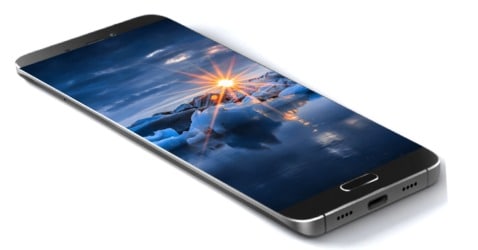
Huawei Mate 10 Pro vs Samsung Galaxy A8 2018 specs
Huawei Mate 10 Pro is the famous flagship from this Chinese brand to come out in 2017. Meanwhile, Samsung Galaxy A8 2018 is one of the newest upper midrange phones on the market. Firstly, Huawei Mate 10 Pro specs include 6-inch AMOLED display with a tall 18:9 ratio (1080 x 2160 pixels). On the contrary, Samsung Galaxy A8 2018 specs offer a smaller 5.6-inch Super AMOLED with an 18:5:9 of aspect ratio (1080 x 2220 pixels).
Under the hood, Huawei Mate 10 Pro gets power from the Hisilicon Kirin 970, while the Samsung phone runs on Exynos 7885 Octa. With the better chipset, one point to the Huawei device. On the other hand, Huawei Mate 10 Pro comes with 4GB/ 6GB RAM and 64GB/ 128GB ROM (no card slot). Meanwhile, Samsung Galaxy A8 sports 4GB RAM with 32GB/ 64GB ROM (expandable up to 256GB via microSD card. One more point to Huawei Mate 10 Pro for its bigger RAM.

In addition, Huawei Mate 10 Pro camera system feature a dual 12MP + 20MP (f/1.6, 27mm) snapper on the back and an 8MP selfie shooter (f/2.0). Besides that, Samsung Galaxy A8 2018 offers 16MP rear sensor (f/1.7) with a dual 16MP + 8MP front-facing camera (f/1.9). Moreover, Huawei Mate 10 Pro battery packs a 4000mAh capacity, while the Samsung phone draws a smaller 3000mAh juice box. Regarding the OS, the Huawei device runs on the latest Android 8.0 Oreo. Samsung Galaxy A8 2018 works on the Android 7.1.1 Nougat. As a result, Huawei Mate 10 Pro wins this round.
Huawei Mate 10 Pro vs Samsung Galaxy A8 2018 release date and price
Huawei Mate 10 Pro release date is in November 2017; while Samsung Galaxy A8 2018 is available since January 2018. For the cost, Huawei Mate 10 Pro price is $940 ~ Rs. 59,990. Meanwhile, Samsung Galaxy S8 2018 price starts at $595 ~ Rs. 37,990. If you want to buy a mid-range phone with the powerful selfie camera setup, we recommend Samsung Galaxy S8 2018. Which phone is your choice? Share your opinion with us!
You May Like
-
Sony Xperia Ultra Max Pro Specs: 200MP Cameras, 19100mAh Battery!
-
-
Nokia Joker 2026 Specs: 200MP Cameras, 9800mAh Battery!
-
Nokia Horizon 2026 Specs: 200MP Cameras, 12800mAh Battery!
-
Nokia Titan 2026 Specs: 16GB RAM, 9700mAh Battery!
-
Redmi Note 15 Series Goes Global With 200MP Cameras, 6580mAh Battery, Price!
GOOD NEWS! Nokia 8 receives the beta version of Android 8.1 Oreo!
According to our sources, Nokia 8 is going to become one of the first phones to work on the Android 8.1 Oreo. What does this new operating system bring to the Nokia 8? Keep on reading for more details!
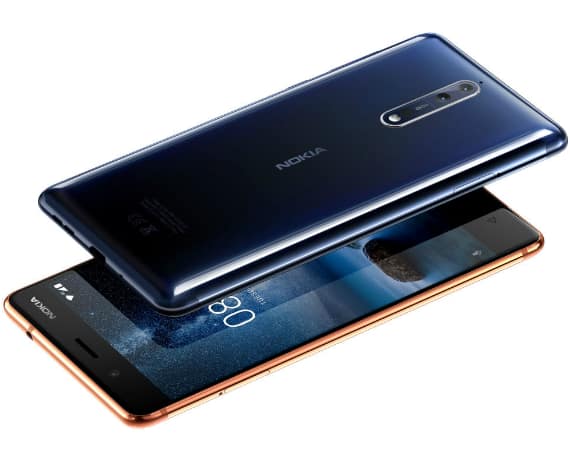
Android 8.1 Oreo beta is now available for Nokia 8!
After the release of Android 8.0 Oreo for the Nokia 8, the company is pushing out the beta version of the newer Android 8.1. Additionally, based on the latest news, Juho Sarvikas, HMD Global’s Chief Product Officer, has announced that the beta version of Android 8.1 Oreo is now available for Nokia 8. If you want to update your device, you need to follow similar steps to go to Beta Labs and enrol.
Furthermore, Android 8.1 Oreo comes in at 1.55GB and offers some news specs. They are a battery readout, new reboot animations (a new power off/ restart menu), more apps to get picture-in-picture mode,… Besides that, the update Android Oreo beta also brings all the highlights of the Android 8.0 Oreo like Android Instant Apps, faster load times, better RAM and battery management and redesigned the set of emojis.

Next, let’s take a closer look at Nokia 8 specs. Regarding the display, Nokia 8 include a 5.3-inch IPS LCD (1440 x 2560 pixels). In addition, Nokia 8 gets power from the Qualcomm MSM8998 Snapdragon 835 chipset, along with 4GB/ 6GB RAM and 64GB/ 128GB ROM (expandable up to 256GB). Besides that, Nokia 8 camera system sports a dual 13MP rear sensor (f/2.0) and a single 13MP selfie snapper (f/2.0). Additionally, Nokia 8 battery packs a non-removable Li-Ion 3090mAh capacity.
Android 8.1 Oreo beta release date
There is no exact news about the Android 8.1 Oreo for the Nokia 8. However, we expect it might launch in the next few weeks. What do you think of the update? Drop us your comment and share your opinion with us!
You May Like
-
Sony Xperia Ultra Max Pro Specs: 200MP Cameras, 19100mAh Battery!
-
-
Nokia Joker 2026 Specs: 200MP Cameras, 9800mAh Battery!
-
Nokia Horizon 2026 Specs: 200MP Cameras, 12800mAh Battery!
-
Nokia Titan 2026 Specs: 16GB RAM, 9700mAh Battery!
-
Redmi Note 15 Series Goes Global With 200MP Cameras, 6580mAh Battery, Price!


