Author: Chris Eilers
Nokia – Alcatel deal: Nokia plans global contructions
About to end their contract with Microsoft and following their merger with Alcatel-Lucent, Nokia hints that the company is planing to reconstruct their global business strategy
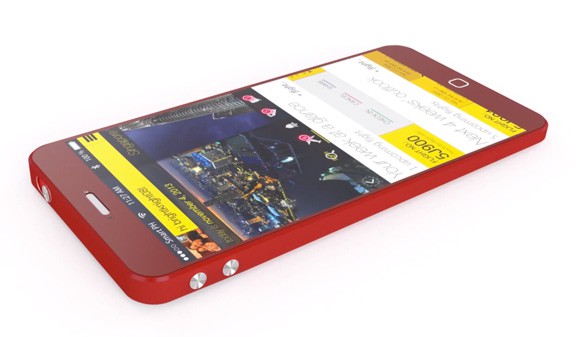
Nokia – Alcatel deal: 14% job cut to save money
Recently, reliable reports from Reuters and Bloomberg have unveiled that, Nokia is planning to save more thang $1 billion annually following its merger with Alcatel – the networking hardware company. According to that, the company will cut off 10,000 to 15,000 current staff worldwide. This is equivalent to 14% of Nokia workforce (they are hiring around 104,000 employees globally). Exclusively in their hometown, the Finnish giant is believe to be firing up to 1,300 out of 6,850 current people.
Nokia spokesperson claimed that they are targeting to save up to 900 million euros ($1.02 billion) of operation cost with this clearance by 2018, in agreement with Alcatel deal. However, the spokesperson refuse to give any further information or comment about this issue. In a statement, Nokia CEO Rajiv said that they will be meeting with workers from over 30 countries in the coming weeks. The cut will also help to support Nokia in competing with other rivals in the intense market of 2016, especially Huawei, reported Bloomberg.
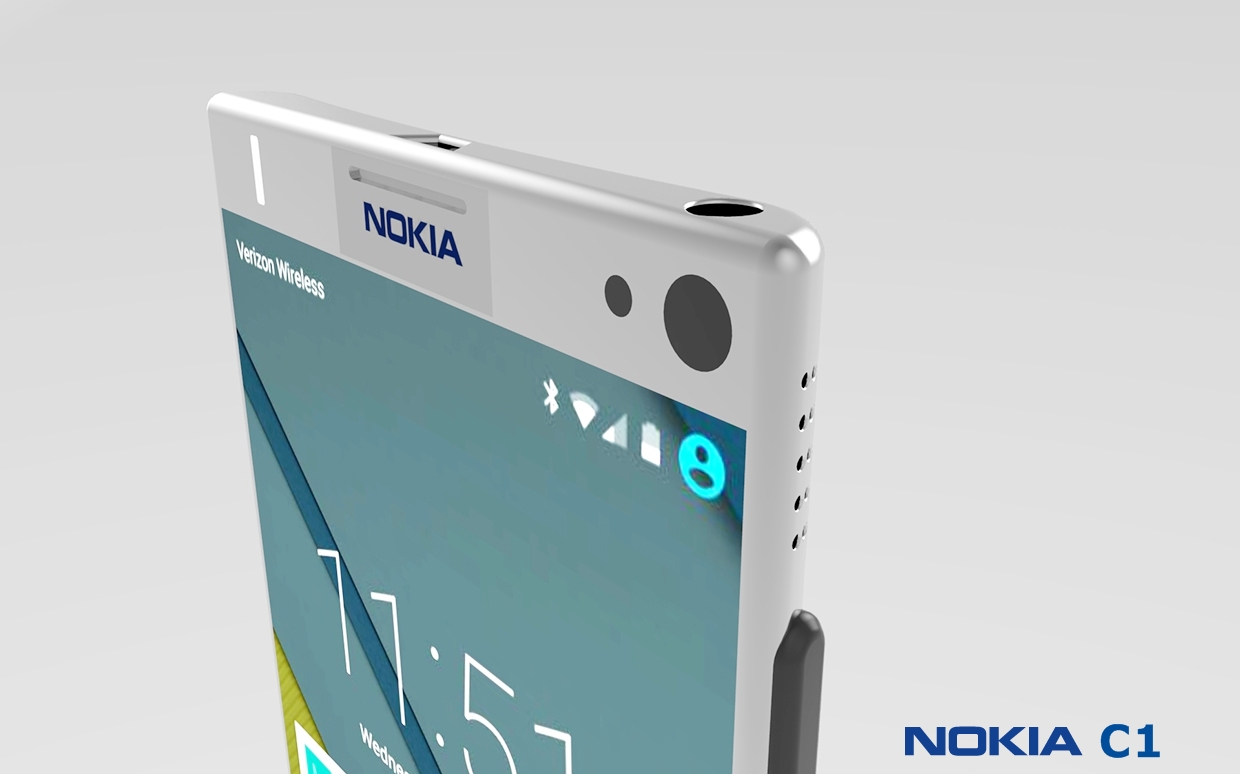
“It’s too early to discuss any global reduction figure as we are only now starting the country-specific processes, and these will proceed according to local legislation and practices,” Nokia said. Still, these reports are definitely not good news for current staff working at Nokia anywhere in the world.
Nokia – Alcatel deal: challenge be waiting
Much as we are expecting the come back of this giant, we can’t stop our curiosity in how the company will be planning their future strategy, according to Nokia – Alcatel deal. No matter what decision they are about to make, we do hope it would be a wise move. As the smartphone market in 2016 will be more intense than ever, with the fast growing of Chinese brands like Huawei, and the non stop development of other big brands like Apple, Samsung etc, Nokia will surely be facing a lot of challenge. (Source: Bloomberg and Reuters)
You May Like
-
 Sony Xperia Ultra Max Pro Specs: 200MP Cameras, 19100mAh Battery!
-

-
Nokia Joker 2026 Specs: 200MP Cameras, 9800mAh Battery!
-
Nokia Horizon 2026 Specs: 200MP Cameras, 12800mAh Battery!
-
 Nokia Titan 2026 Specs: 16GB RAM, 9700mAh Battery!
-
Redmi Note 15 Series Goes Global With 200MP Cameras, 6580mAh Battery, Price!

This $150 Blackview R7 smartphone packs a powerful 4GB RAM
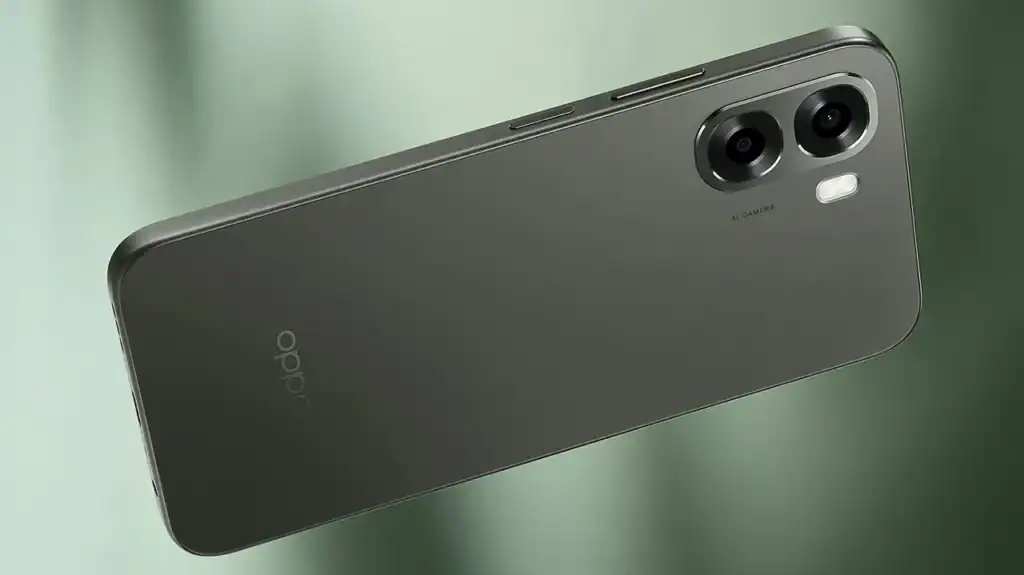
More and more 4GB RAM smartphones are produced nowadays, but an affordable 4GB RAM model is still hard to find. Here is an excellent option you can take into consideration.

Blackview R7: 4GB RAM, 8MP selfie, 2.0GHz chip and…
Blackview R7 design comes with a metal indie frame including “8 times precise CNC machining, Micron-sized sand blasting, vacuum-coating paint and nano anti-fingerprint technology”, according to the company. In general, it is a good-looking guy, but the more important point is that the hardware inside is of a beast smartphone.
Speaking specifically, Blackview R7 specs include a Helio P10 octa-core 64-bit 2.0GHz chip paired with Mali-T860 graphics processor, Android 6.0 Marshmallow OS, a 5.5-inch Full HD display with 2.5D Arc glass, 4GB of RAM, and 32GB of internal storage (expandable). Under the hood, there is a decent 3,500mAh Polymer Li-ion battery which can also smartly control the current as well as prevent over heating during charging. Moreover, 9V 2.5A fast charge technology is on aboard to make your phone fueled quicker and safe. Five minutes of charging can give you 90 minutes of talking. Isn’t it great?

About photography, you can use either its Samsung 3M2 13MP rear camera with focus times of 0.3 second or OV5648 5MP front snapper to take photos. And you know what, the Blackview R7 can create good images in low-light conditions thanks to improved camera tech such as SWDR (smart wide dynamic range) and SNR (signal to noise ratio).
Blackview R7 price and availability
No doubt the R7 is a high-end handset, yet it is also a cost-effective one. To purchase this 4GB RAM smartphone, you just need to pay $159.99. Obviously the manufacturer wants to compete with other brands by aiming at those who want something strong and budget-friendly. So, do you think they have succeeded? Share with us your opinions!
You May Like
-
Sony Xperia Ultra Max Pro Specs: 200MP Cameras, 19100mAh Battery!
-
-
Nokia Joker 2026 Specs: 200MP Cameras, 9800mAh Battery!
-
Nokia Horizon 2026 Specs: 200MP Cameras, 12800mAh Battery!
-
Nokia Titan 2026 Specs: 16GB RAM, 9700mAh Battery!
-
Redmi Note 15 Series Goes Global With 200MP Cameras, 6580mAh Battery, Price!
Smartphones with longest battery hours: real champions
High mAh can bring you long battery life. But today we won’t focus on that. We’ll be looking at the handsets that can really come with long batt lives, tested by expertreviews. Check them out now!
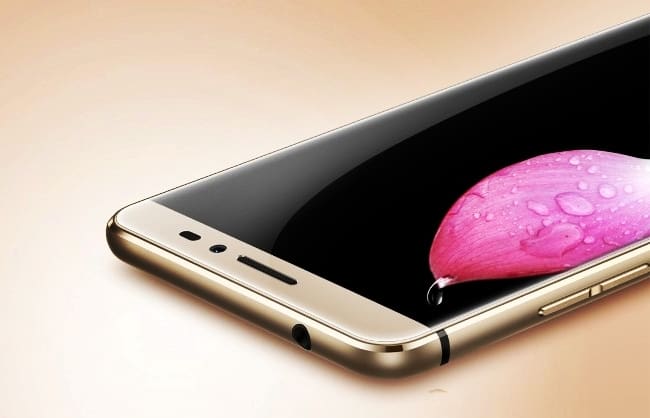
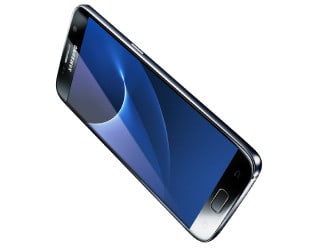
1. Samsung Galaxy S7: 17h49m
Together with Samsung Galaxy S7 edge, it was launched at WMC 2016. In terms of Samsung Galaxy S7 specs, it packs a 5.1-inch Super AMOLED Quad HD screen with 577 ppi, TouchWiz UI based on Android 6.0, a Snapdragon 820/Exynos 8890 chip, 32/64GB of internal storage (expandable up to 200GB but it cannot be used to install apps or games), and 4GB of RAM.
As for photography, there are a 12MP main and a 5MP secondary camera on board to help you take pictures. Additionally, under the hood, there is a decent 3,000mAh battery to fuel the whole machine. Actually, the cell is not very big but able to last longest. We were impressed. How about?
You May Like
-
Sony Xperia Ultra Max Pro Specs: 200MP Cameras, 19100mAh Battery!
-
-
Nokia Joker 2026 Specs: 200MP Cameras, 9800mAh Battery!
-
Nokia Horizon 2026 Specs: 200MP Cameras, 12800mAh Battery!
-
Nokia Titan 2026 Specs: 16GB RAM, 9700mAh Battery!
-
Redmi Note 15 Series Goes Global With 200MP Cameras, 6580mAh Battery, Price!
Antutu report for Q1 2016: announcing top 10 powerful smartphones
A lot flagships were born in the Q1 of 2016. However, which ones are the best? Here is your answer: Antutu report with Top 10 strongest smartphones!
Antutu report: Winner is an Android smartphone!
If you remember, in the Antutu report published at the end of 2015, Apple iPhone 6s and 6s Plus were the most powerful in terms of performance. Nonetheless, they are no longer the champions in the Antutu report of the Q1 2016. Instead, two Android devices – Xiaomi Mi5 and Samsung Galaxy S7 edge – have led the race with 136,875 points and 134,599 points, respectively.
They are the newest flagships of their own companies and obviously equipped with top features for smartphones nowadays, especially the processors. Xiaomi Mi5 specs include a Qualcomm Snapdragon 820 chip while Samsung Galaxy S7 edge specs contain a Samsung Exynos 8890. Needless to say, the handsets are very strong and fast to do any task you like.
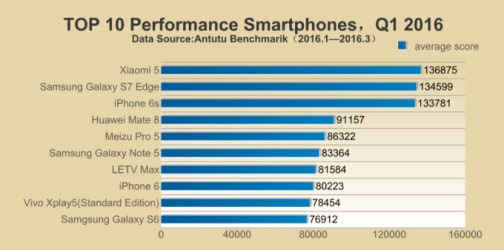
Meanwhile, despite losing the first position, Apple iPhone 6s is still a pretty good machine when being ranked third with 133,781 Antutu points. Though, we wonder where LG G5 is. It is also a beast phone in the market now and very possible to defeat the iPhone 6s. Perhaps its official score has not been updated yet.
What specs does the champion have?
Before coming to an end, we would like to recap on the Xiaomi Mi5 specs for you. Basically, it is powered by a 5.15-inch Full HD screen with 428 ppi, a 16MP/4MP camera combo, an SD820 chip, MIUI 7 based on Android 6.0 Marshmallow OS, and up to 3 choices over RAM and ROM capacity: 3GB/32GB, 3GB/64GB and 4GB/128GB. Nevertheless, you should also note that the first version employs a SD820 1.8GHz chipset while the others use an SD820 2.15GHz one. We’re sure the Mi5 taken into the Antutu test was the highest-end model since it could defeat the 4GB RAM Galaxy S7 edge easily. (Source: phonearena)
You May Like
-
Sony Xperia Ultra Max Pro Specs: 200MP Cameras, 19100mAh Battery!
-
-
Nokia Joker 2026 Specs: 200MP Cameras, 9800mAh Battery!
-
Nokia Horizon 2026 Specs: 200MP Cameras, 12800mAh Battery!
-
Nokia Titan 2026 Specs: 16GB RAM, 9700mAh Battery!
-
Redmi Note 15 Series Goes Global With 200MP Cameras, 6580mAh Battery, Price!
7 of the best 4GB RAM smartphones launched in April
4GB RAM phones are no longer something hard to find. More and more of them have launched and will be launched this year. And here are the top 8 for April. Check them out now!

1 + 2. Huawei P9 and Huawei P9 Plus
Huawei P9 specs include a 5.2-inch Full HD IPS LCD display, a 3,000mAh battery, a Kirin 955 octa-core chipset, a microSD card slot, an 8MP front shooter, and two versions over RAM and ROM capacity: 3GB + 32GB and 4GB + 64GB. As we know, its key feature is the dual rear camera setup co-developed with German optics specialist Leica. There are two 12MP sensors on the back (“one capturing color, the other seeing only black and white”).
As for Huawei P9 Plus specs, there is a bigger display measuring 5.5 inches with an AMOLED panel, Full HD resolution, and Press Touch (like 3D Touch tech). Additionally, the device sports 4GB RAM, 64GB ROM (expandable up to 128GB), a 3,400mAh batt supporting dual-IC Rapid Charge, and stereo speakers. Apart from those major differences, the rest are similar to Huawei P9.

You May Like
-
Sony Xperia Ultra Max Pro Specs: 200MP Cameras, 19100mAh Battery!
-
-
Nokia Joker 2026 Specs: 200MP Cameras, 9800mAh Battery!
-
Nokia Horizon 2026 Specs: 200MP Cameras, 12800mAh Battery!
-
Nokia Titan 2026 Specs: 16GB RAM, 9700mAh Battery!
-
Redmi Note 15 Series Goes Global With 200MP Cameras, 6580mAh Battery, Price!
5 easy tips to keep your SMARTPHONE BATTERY life longer
Battery is one of the most important parts of a smartphone. Therefore, many users really concern about keeping their cells as healthy as possible. Here are 5 tips for you to do so!

1. Lock screen helps a lot.
Lock screen, or lock screen notifications to be specific, can help save you battery life, especially when your phone is equipped with an AMOLED panel. You can see your notifications quickly without turning the whole display on. Though in fact you will still need to light your screen up, the time is much less than normal.
2. Airplane mode is more useful than you think!
As battery life will be affected much due to the device connecting or finding network, you can switch to Airplane mode while being asleep. Or, another solution is to employ sleep or blocking modes to create limits for what your phone does during certain times of the day such as sleeping or meeting time.
3. Keeping your machine cool is essential.
No matter what kind of battery your smartphone has, heat can harm it. As a result, the cell’s longevity will be shortened much. So if you want to keep it long enough, do what everyone is recommending: Keep it in a cool condition, avoid charging when being sitting inside a hot car, using while charging, charging right after a long time of usage, etc.
4. Charger and power bank you use should be used with caution.
Power bank is a very convenient gadget to fuel your handset immediately. It is also portable and light enough for you to carry everywhere. However, please be cautious with the brand you choose. If you use a non-reliable one, it will do serious harm to your smartphone’s battery. And in the worst case, you may even see your device on fire, literally.

5. Stay away from water!
Last but not least, if your machine does not come with capability of being water resistant, you’d better not let it “jump” into water, especially non-removable batt. Obviously you cannot take it out to dry. So, one of the best ways to keep it working as long as possible is to keep your phone away from water.
You May Like
-
Sony Xperia Ultra Max Pro Specs: 200MP Cameras, 19100mAh Battery!
-
-
Nokia Joker 2026 Specs: 200MP Cameras, 9800mAh Battery!
-
Nokia Horizon 2026 Specs: 200MP Cameras, 12800mAh Battery!
-
Nokia Titan 2026 Specs: 16GB RAM, 9700mAh Battery!
-
Redmi Note 15 Series Goes Global With 200MP Cameras, 6580mAh Battery, Price!
7 of the best smartphones of all time
When you are looking for a new smartphone to buy, there are hundreds, if not thousands options out there to consider. However, some are obviously better than others. Here are 7 of the best smartphones of all time, according to our subjective preferences. The smartphones are not placed in any specific order.
#7. Samsung Galaxy S7 Edge
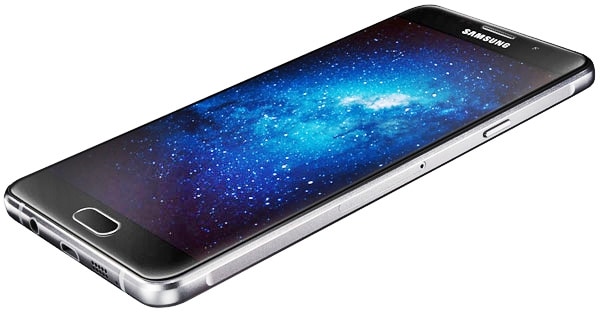
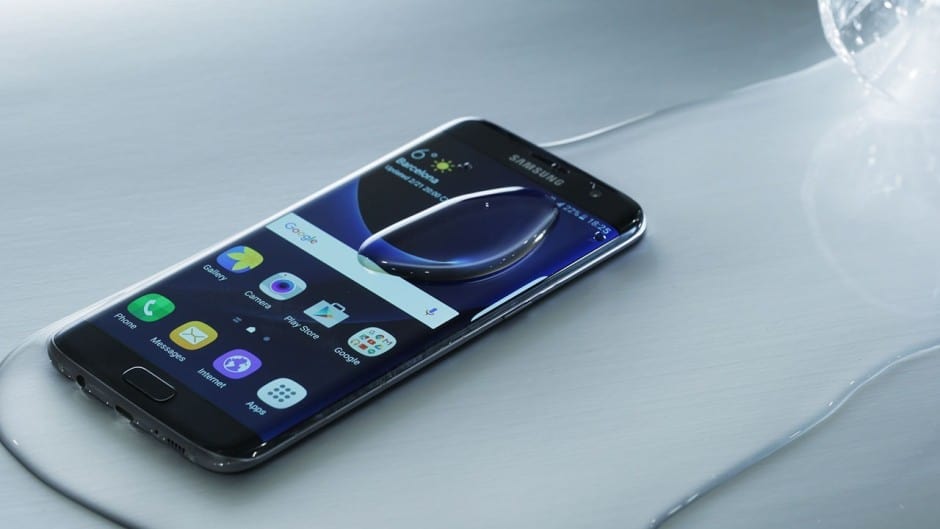
Galaxy S7 Edge by Samsung is the babe. The phone comes with elegant curved display, premium 4GB RAM and the current winner of “Best camera among all smartphones in the market”. Ever since Samsung Galaxy S7 Edge was launched, the smartphone has received positive feed backs from users and tech lovers all around the world for its unique design and extraordinary performance.
Samsung Galaxy S7 Edge specs include a 5.5 inch display and super slim 7.7 mm body. The smartphone packs 4GB RAM together with Qualcomm MSM8996 Snapdragon 820 and Exynos 8890 Octa with 32/64GB ROM variants. Samsung Galaxy S7 Edge camera sports a 12MP sensor with f/1.7, 26mm lens. The device is powered by 3,600 mAH battery to ensure decent working time.
You May Like
-
Sony Xperia Ultra Max Pro Specs: 200MP Cameras, 19100mAh Battery!
-
-
Nokia Joker 2026 Specs: 200MP Cameras, 9800mAh Battery!
-
Nokia Horizon 2026 Specs: 200MP Cameras, 12800mAh Battery!
-
Nokia Titan 2026 Specs: 16GB RAM, 9700mAh Battery!
-
Redmi Note 15 Series Goes Global With 200MP Cameras, 6580mAh Battery, Price!
ASUS ZenFone Max vs Samsung Galaxy A9 Pro: 5,000 mAh beasts with 4GB RAM and…>
Samsung Galaxy A9 Pro (2016) and ASUS ZenFone Max are two giants in the field of battery smartphones for sure, but let’s see which one is the real king!

ASUS ZenFone Max vs Samsung Galaxy A9 Pro: Best battery battle of the month
This is perhaps the first time we put Samsung Galaxy A9 Pro (2016) together with ASUS ZenFone Max in a battery battle. They both have massive cells, yet we cannot say anything in advance now that the Max or the Pro will be the winner. Before coming to their major differences, let’s look at what they have in common. Specifically, each of them packs a big 5,000mAh battery enabling you to use the phone in more than 3 days, a dual SIM, Corning Gorilla Glass 4 for protection, and a microSD card slot to expand its internal storage. In general, they are good phablets but if we have to pick out the stronger, the following different features will help.
Firstly, ASUS ZenFone Max specs contain a 5.5-inch HD screen, ASUS ZenUI based on Android 5.0 Lollipop OS, a Snapdragon 410 quad-core 1.2GHz chip, 2GB of RAM, 8/16GB of ROM (expandable up to 64GB) and a combo of 13MP f/2.0 main (with laser autofocus plus dual LED flash) and a 5MP f/2.0 secondary camera. Except for the fantastic batt, the Max seems a good mid-range handset, but not a high-end one.

Meanwhile, Samsung Galaxy A9 Pro (2016) specs are pretty much better since they include a 6.0-inch Full HD display, Android 6.0.1 Marshmallow OS, a Snapdragon 652 (quad-core 1.8GHz + quad-core 1.2GHz) processor, up to 4GB of RAM and 32GB of ROM (expandable up to 128GB). In addition, there are a fingerprint scanner, Fast Charging tech and a brilliant 16MP rear + 8MP front shooter set on board to help run the whole device. We have to say Samsung Galaxy A9 Pro (2016) is the more powerful phone in terms of hardware. However, price is another thing.
ASUS ZenFone Max vs Samsung Galaxy A9 Pro: Price and availability
No doubt both Max and Pro are models that can perform any task well. Yet, due to some different specs, they are surely not priced at the same level. ASUS ZenFone Max price is $169.99 while Samsung Galaxy A9 Pro (2016) price is about $540, much higher than its rival. Well, we can understand the A9 Pro cost and bet it can give you great experience, but in case of just wanting something decent to use, ASUS ZenFone Max is the one!
You May Like
-
Sony Xperia Ultra Max Pro Specs: 200MP Cameras, 19100mAh Battery!
-
-
Nokia Joker 2026 Specs: 200MP Cameras, 9800mAh Battery!
-
Nokia Horizon 2026 Specs: 200MP Cameras, 12800mAh Battery!
-
Nokia Titan 2026 Specs: 16GB RAM, 9700mAh Battery!
-
Redmi Note 15 Series Goes Global With 200MP Cameras, 6580mAh Battery, Price!
HTC 10 mini: smaller version of the huge flagship
Well, it seems like our mini smartphone market will get stirred up due to the appearances of many small handsets such as Apple iPhone SE, Samsung Galaxy S7 mini and now HTC 10 mini…

HTC 10 mini with 4GB RAM to defeat all
After Apple iPhone SE, many other big mobile brands are said to be preparing smaller versions of their own flagship devices. That’s a whole new trend for smartphones this year. Specifically, we have already heard about Samsung Galaxy S7 mini and Xiaomi mini, and now it is another one from HTC called HTC 10 mini to join the race. Though, the company has not confirmed the name yet.
Being a little bro of the great upcoming flagship HTC 10 makes HTC 10 mini receive a lot of expectations in terms of specifications. According to some news sources, the HTC 10 mini specs will probably sport a 4.7-inch Full HD display, a Qualcomm Snapdragon 823 chipset paired with the same powerful 4GB of RAM as the HTC 10. Moreover, the rest of the mini machine’s hardware will also be much similar to the HTC 10 specs. If so, it can become the strongest in its kind so far.

To be honest, we are glad that more sub 5.0-inch handsets are being considered and will come soon in the H1 of 2016. They are very handy and excellent to do any task we want. As we know, iPhone SE price starts from $400 and Samsung Galaxy S7 mini is predicted to cost around $450. So, you may wonder how much the HTC 10 mini will cost. Then, check out the next part now!
HTC 10 mini price and availability
Apparently, HTC 10 mini release date can be some time in September 2016, which shows that it obviously will have to compete with Apple and Samsung when they also introduce new models around that time. For HTC 10 mini price, we predict it can range from $450 to $550. However, let’s wait a bit more for the official announcement from HTC.
You May Like
-
Sony Xperia Ultra Max Pro Specs: 200MP Cameras, 19100mAh Battery!
-
-
Nokia Joker 2026 Specs: 200MP Cameras, 9800mAh Battery!
-
Nokia Horizon 2026 Specs: 200MP Cameras, 12800mAh Battery!
-
Nokia Titan 2026 Specs: 16GB RAM, 9700mAh Battery!
-
Redmi Note 15 Series Goes Global With 200MP Cameras, 6580mAh Battery, Price!
Oppo F1 Plus: best selfie device in town with gorgeous design
Oppo F1 Plus, Launched early April, has a beautiful design that you will fall in love with at first sight. And when it comes to specs, the phone offer premium selfie camera and….
Oppo F1 Plus: stunning selfie smartphone
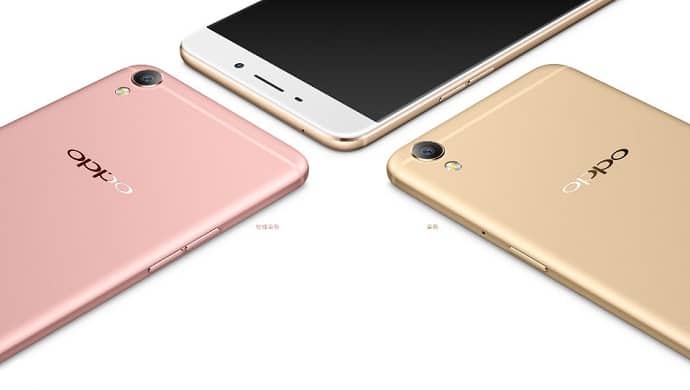
Oppo F1 Plus is the official brand name of Oppo R9, leaked earlier in March 2016. The phone has made its global release recently and will soon come to our markets in India and the Philippines. This latest Oppo mobile is a camera and selfie-centric smartphone with a strong focus for both the back and front cameras. Strange as it may sound, but Oppo F1 Plus actually features 16MP shooter on the front, while the lens on the back is only 13MP.
As a selfie-focused smartphone, Oppo F1 Plus has a f/2.0 aperture lens on its front camera. This enables 4 times more the light captured and creates much better selfies in low light conditions. The camera even comes with Beautify 4.0 package that offers various options to enhance your selfie in just a click. Although there is no flash on the front (which can be a slight minus point for Oppo F1 Plus), the screen does illuminate to brighten background when touched.
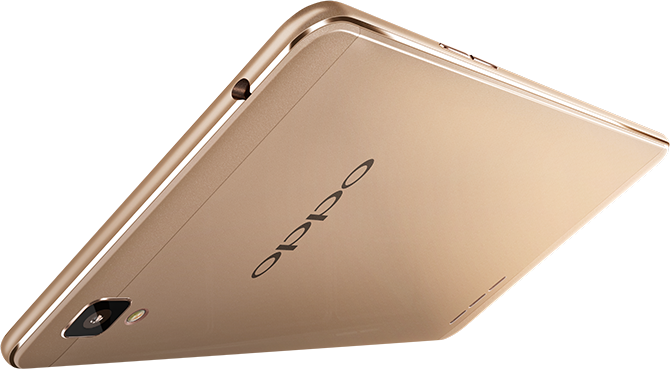
Other Oppo F1 Plus specs include: 5.5 inch FHD display, a slim body (only 6.6 mm) with premium metal rears, 4GB RAM backed by Helio P10 chip set. Oppo F1 Plus is pre installed with Android 5.1 OS, Color OS 3.0, dual SIM and 4G LTE capable. The mobile comes with 64GB internal storage and you can expand up to 128GB via a microSD card. There is a 2850 mAH battery to power the whole machine.
Oppo F1 Plus: launch, price and availability
Oppo F1 Plus was officially launched globally last week, and said to go on sale in India around April 15, 2016. This selfie master will be priced at Rs 26,990, which is equivalent to PHP 19K and USD 400.
You May Like
-
Sony Xperia Ultra Max Pro Specs: 200MP Cameras, 19100mAh Battery!
-
-
Nokia Joker 2026 Specs: 200MP Cameras, 9800mAh Battery!
-
Nokia Horizon 2026 Specs: 200MP Cameras, 12800mAh Battery!
-
Nokia Titan 2026 Specs: 16GB RAM, 9700mAh Battery!
-
Redmi Note 15 Series Goes Global With 200MP Cameras, 6580mAh Battery, Price!
Samsung Galaxy S7 to be launched with 2 more variants
Lately, Samsung Galaxy S7 has been spotted in Geekbench’s database, showing up with super powerful new chip. How does it sound?
Samsung Galaxy S7 to sport excellent deca-core Helio X20 and X25
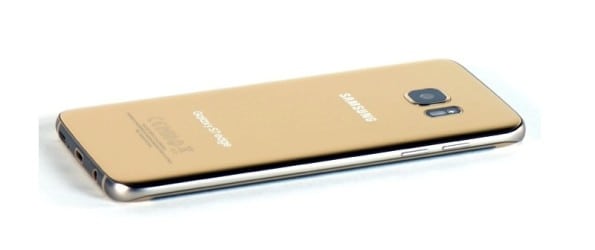
According to what we know about Samsung smartphones, they, especially Galaxy S and Note models, are usually equipped with the company’s Exynos or Qualcomm Snapdragon chipsets, depending on the markets Samsung supplies the phones to. So far, there has been just one exception: Samsung Galaxy S6. It only has Exynos 7420 version because at the time the S6 debuted, Snapdragon 810 was so “famous” for heating issue.
This year, the S7 has got back on track, offering consumers two options: Exynos 8890 and Snapdragon 820. However, there can be more since recently Geekbench has shown two variants of the Galaxy S7 run by MediaTek chips. They are coded the same – Samsung SM-G930W8 (with G930 for the S7 and W for Canadian vers), but powered by different processors: octa-core Exynos 8890, deca-core Helio X25 and deca-core Helio X20. Besides, you should also note that the X20 Galaxy S7 will be equipped with 3GB of RAM while the others go with 4GB of RAM.
Apart from some of the phones’ specs, Geekbench also revealed their benchmark scores to be 6,416, 6,014 và 5,943 points, respectively. We can see that the difference is not much, showing that they are all strong to give you great experience. For other Samsung Galaxy S7 specs, it is very likely they are the same as the original handset.
New Samsung Galaxy S7 smartphones’ prices and availability
As for Samsung Galaxy S7 prices, we predict they will range from $670 to $700. Though, about their availability, indeed the “W” of the SM-G930W8 hints that the above Galaxy S7 machines will be shipped in Canada. Nonetheless, the manufacturer has not confirmed if those guys only go on sale in Canada. Then, we’d better wait a bit more for an official announcement from Samsung.
You May Like
-
Sony Xperia Ultra Max Pro Specs: 200MP Cameras, 19100mAh Battery!
-
-
Nokia Joker 2026 Specs: 200MP Cameras, 9800mAh Battery!
-
Nokia Horizon 2026 Specs: 200MP Cameras, 12800mAh Battery!
-
Nokia Titan 2026 Specs: 16GB RAM, 9700mAh Battery!
-
Redmi Note 15 Series Goes Global With 200MP Cameras, 6580mAh Battery, Price!
Huawei P9 vs Xiaomi Mi5 Pro: 4GB RAM, 128GB ROM battle
Xiaomi Mi5 Pro and Huawei P9 (4GB RAM version) are the latest flagships of their companies, which are also two of the biggest smartphone manufacturers in China. However, if you want us to pick out the best model, it will be…

Huawei or Xiaomi?
They’re flagships of their own companies, so no doubt they are equipped with gorgeous designs and high-end hardware. In today’s comparison, we would like to skip the appearance battle and look at their excellent specifications closely. First of all, let’s see what Xiaomi Mi5 Pro specs and Huawei P9 specs have in common. They’ve got very similar Full HD displays (though, in fact the P9’s is a bit bigger than the other’s – 5.2 inches and 5.15 inches, respectively), 4GB RAM, 3,000mAh batteries, dual SIMs, fingerprint scanners, USB Type C ports, and Android 6.0 Marshmallow OS (with different UIs on top – MIUI 7.0 and Emotion UI 4.1).
As for differences, there are some major points you need to note. The P9 is powered by a HiSilicon Kirin 955 (quad-core 2.5GHz + quad-core 1.8GHz) chip, 64GB ROM (expandable up to 128GB), a dual 12MP rear camera and an 8MP front-facing snapper. Meanwhile, the Mi5 Pro packs a Snapdragon 820 (dual-core 2.15GHz + dual-core 1.6GHz) processor, 128GB ROM (non-expandable), a combo of 16MP main plus 4MP selfie shooter, and Quick Charge 3.0 (83% in 30 minutes) which can help the machine get back on track much faster than its rival.

By looking at the above features, we think Huawei P9 has more advantages than the Xiaomi’s product when it comes to chipset, ROM capacity, primary cam, and maybe selfies. Therefore, we would like to vote Huawei P9 the winner. How about you?
Huawei P9 vs Xiaomi Mi5: Price and availability
At Xiaomi Mi5 launch, the Xiaomi Mi5 Pro price was announced to be 2,699 Yuan or $415. That is actually a pretty cost for such a strong device. On the other hand, Huawei P9 price for the 4GB RAM is about $740, kind of much higher than the Mi. Well, at this point, we have to admit that Xiaomi Mi5 Pro can be better for most consumers, especially those who want a smartphone with affordable price, beautiful design and powerful hardware. What do you think?
You May Like
-
Sony Xperia Ultra Max Pro Specs: 200MP Cameras, 19100mAh Battery!
-
-
Nokia Joker 2026 Specs: 200MP Cameras, 9800mAh Battery!
-
Nokia Horizon 2026 Specs: 200MP Cameras, 12800mAh Battery!
-
Nokia Titan 2026 Specs: 16GB RAM, 9700mAh Battery!
-
Redmi Note 15 Series Goes Global With 200MP Cameras, 6580mAh Battery, Price!


