Author: Chris Eilers
Top Android phones March 2024: 16GB RAM, 200MP Cameras!
Let’s check our list of the top Android phones in March 2024 with 16GB RAM and 200MP cameras! Take a look at the five fantastic cell phones listed below!

1. Samsung Galaxy S24 Ultra
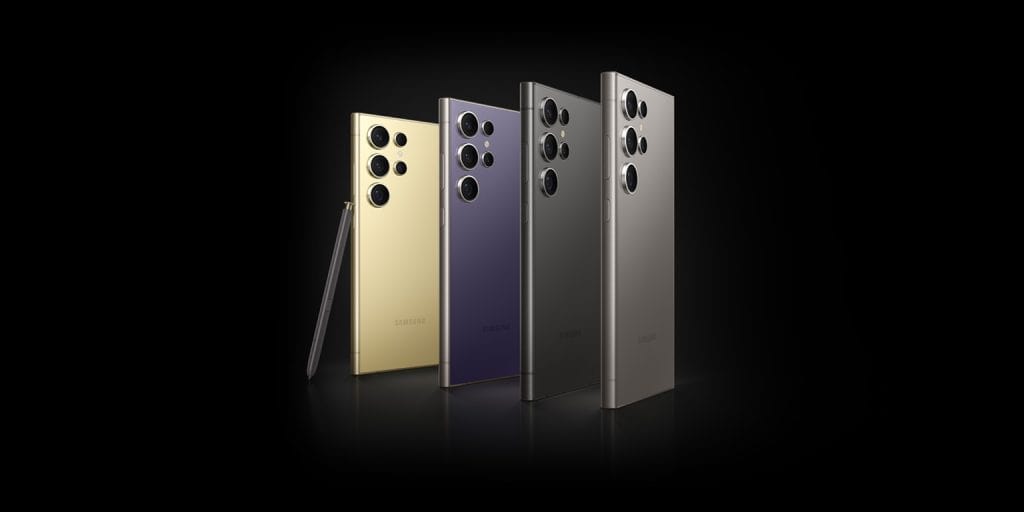
Samsung Galaxy S24 Ultra opens our list of the top Android phones in March 2024. The giant Korean firm launches the Samsung Galaxy S24 Ultra smartphone with incredible specs and a fashionable design. Besides, this flagship was released in the stunning colors Titanium Black, Titanium Gray, Titanium Violet, Titanium Yellow, Titanium Blue, Titanium Green, and Titanium Orange. Let’s find out more details on this handset now! Concerning the display, Samsung Galaxy S24 Ultra specs pack a 6.8-inch Dynamic LTPO AMOLED 2X with 1440 x 3088 pixels.
Under the hood, the Samsung beast drives the Qualcomm Snapdragon 8 Gen 3 chipset. Besides, the Samsung flagship sports 256GB/ 12GB RAM, 512GB/ 12GB RAM, and 1TB/ 12GB RAM (no card slot). Imaging-wise, the Samsung Galaxy S24 Ultra cameras boast 200MP + 50MP + 10MP + 12MP rear lenses and a 12MP front-facing shooter for selfies. Besides, the Samsung juice box has a 5000mAh capacity. The operating system, the Samsung Monster, runs on Android 14. The Samsung Galaxy S24 Ultra price starts at $1,299 ~ Rs. 108,012.
2. Xiaomi 14 Ultra
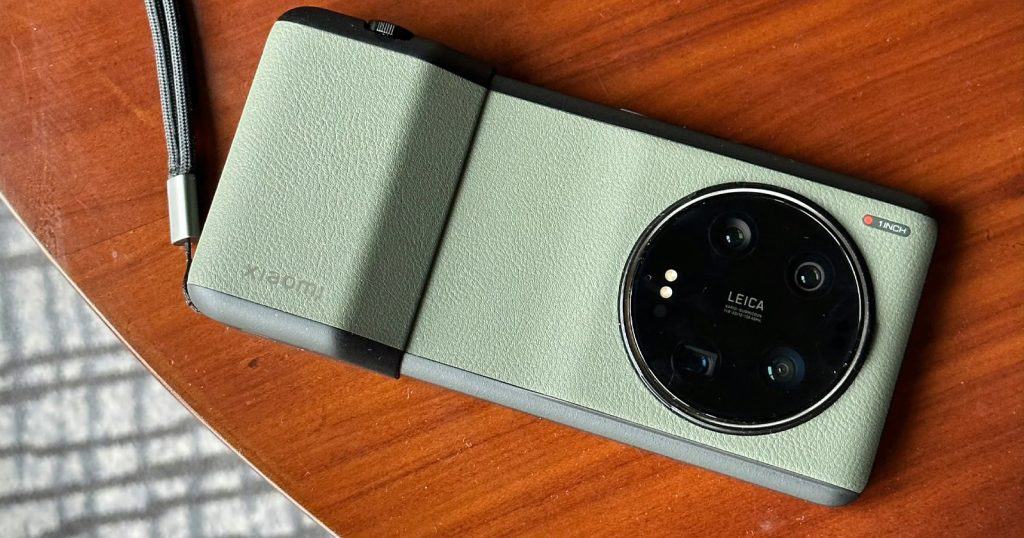
In detail, the Xiaomi flagship comes out with a unique design, massive storage, and a long-life battery. Concerning the next candidate, the Xiaomi 14 Ultra specs feature a 6.73-inch LTPO AMOLED with a 1440 x 3200 pixels resolution for the display. Under the hood, the Xiaomi device runs on Android 13-based MIUI 14 and provides the Qualcomm Snapdragon 8 Gen 3 chipset. Further, the Xiaomi smartphone sports 256GB/ 12GB RAM, 256GB/ 16GB RAM, 512GB/ 16GB RAM, and 1TB/ 16GB RAM (no card slot). What are the other specs of this smartphone? As for an optics system, the Xiaomi 14 Ultra cameras comprise quad 50MP + 50MP + 50MP + 50MP rear sensors. Back to front, the Xiaomi phone has a single 32MP front lens. Additionally, the Xiaomi device bears a 5300mAh battery box. Finally, the Xiaomi 14 Ultra price starts at $399 ~ Rs. 33,118.
3. Nothing Phone (2a)
How about the next candidate? Notably, the Nothing Phone (2a) handset has a crazy battery and a friendly budget. Concerning the display, the Nothing Phone (2a) specs offer a 6.7-inch AMOLED with a 1080 x 2412 pixels resolution. For the processor, the Nothing Phone (2a) ships with Android 14-based Nothing OS 2.5 and uses the MediaTek Dimensity 7200 Pro chipset. The Nothing Phone (2a) comes in 128GB/ 8GB RAM, 256GB/ 8GB RAM, and 256GB/ 12GB RAM (no card slot). Optics-wise, the Nothing Phone (2a) cameras comprise dual 50MP + 50MP lenses on the rear. For selfies, the Nothing Phone (2a) phone now sports a single 32MP front-facing snapper. This handset also houses a 5000mAh energy box. How about the cost? The Nothing Phone (2a) price starts around $359 ~ Rs. 29,695.

4. Xiaomi Redmi Note 13 Pro
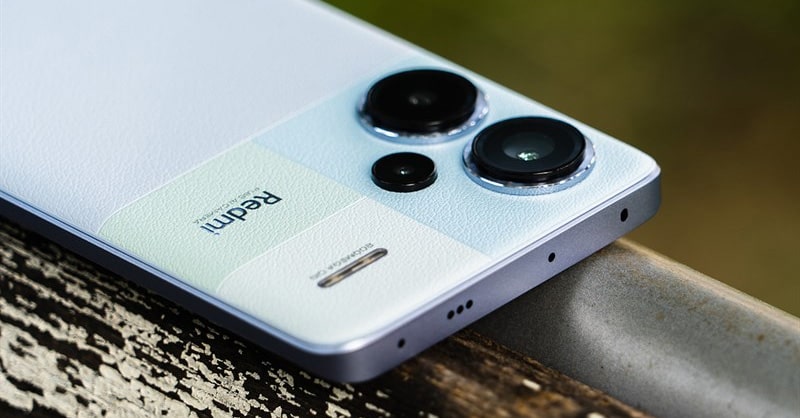
In detail, the Xiaomi Redmi Note 13 Pro specs pack a 6.67-inch AMOLED with a 1220 x 2712 pixels resolution and a 120Hz refresh rate. Under the hood, the Redmi Note 13 Pro device drives the Qualcomm Snapdragon 7s Gen 2 chipset. Furthermore, the Redmi Note 13 Pro handset arrives in various storage variants: 128GB/ 8GB RAM, 256GB/ 8GB RAM, 256GB/ 12GB RAM, 512GB/ 12GB RAM, and 512GB/ 16GB RAM (no card slot). Imaging-wise, the Redmi Note 13 Pro cameras boost triple 200MP + 8MP + 2MP rear lenses and a single 16MP front-facing shooter. Besides, the Redmi Note 13 Pro houses a 5100mAh juice box. Besides, the Redmi Note 13 Pro handset runs on Android 13-based MIUI 14. Lastly, the Redmi Note 13 Pro price starts at around $488 ~ Rs. 40,523.
5. OPPO Reno11 5G
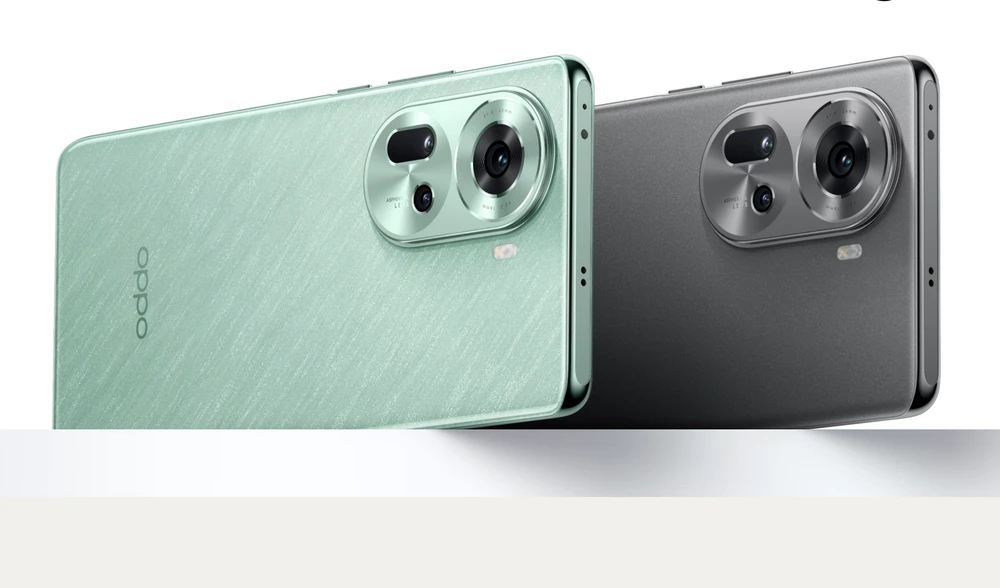
Let’s go to the next handset today! The OPPO Reno11 5G specs sport a 6.7-inch OLED with a 1080 x 2412 pixels resolution. As for the software system, the OPPO flagship boots Android 14-based ColorOS 14. Moreover, the OPPO machine boasts the Mediatek Dimensity 8200 SoC. Besides, this device arrives in 256GB/ 8GB RAM, 256GB/ 12GB RAM, and 512GB/ 12GB RAM (no card slot). Imaging-wise, the OPPO Reno11 5G cameras consist of triple 50MP + 32MP + 8MP rear sensors. For capturing selfies, the OPPO phone features a 32MP lens. The power of this OPPO monster is a 4800mAh battery box. Lastly, the OPPO Reno11 5G price is $347 ~ Rs. 28,770.
Top Android phones March 2024
Samsung Galaxy S24 Ultra is a wise pick with outstanding performance and a gorgeous design. Moreover, you may test out the Nothing Phone (2a) at an affordable price. Which handset will you select from our list today? Please share your thoughts with us in the comment section!
You May Like
-
 Sony Xperia Ultra Max Pro Specs: 200MP Cameras, 19100mAh Battery!
-

-
Nokia Joker 2026 Specs: 200MP Cameras, 9800mAh Battery!
-
Nokia Horizon 2026 Specs: 200MP Cameras, 12800mAh Battery!
-
 Nokia Titan 2026 Specs: 16GB RAM, 9700mAh Battery!
-
Redmi Note 15 Series Goes Global With 200MP Cameras, 6580mAh Battery, Price!
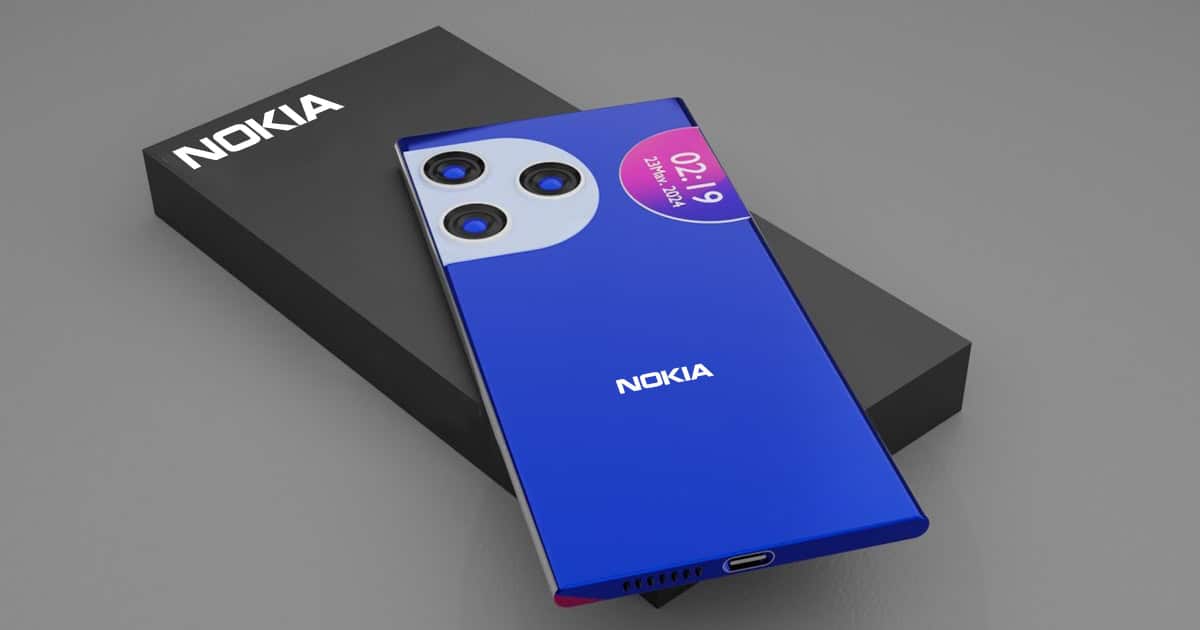

Motorola Moto G (2024) vs. Realme V50s: 8GB RAM, 5000mAh Battery!
Check out the battle between the Motorola Moto G (2024) vs. Realme V50s with 8GB RAM and a 7000mAh battery. Let’s find the winner below!

Motorola Moto G (2024) vs. Realme V50s specs
Motorola Moto G (2024) arrives with a smooth configuration and an affordable price. Moreover, the Realme V50s attracts mobile users with powerful configurations and a unique design. In detail, the Motorola device takes power from the Qualcomm Snapdragon 680 4G chipset. The Realme device comes with the MediaTek Dimensity 6100+ SoC.
As a result, the Realme monster wins this round with more robust hardware. Let’s talk about the storage department next! Additionally, both Motorola and Realme handsets run on Android 13 as the operating system. The Motorola device ships with 4GB RAM and 64GB ROM (expandable up to 1TB). Moreover, the Realme handset offers 128GB/ 6GB RAM and 256GB/ 8GB RAM (expandable up to 1TB).

As for the display, Motorola Moto G (2024) specs feature a 6.5-inch IPS LCD with a 720 x 1600 pixels resolution. Besides, the Realme V50s specs flaunt a 6.72-inch IPS LCD with a 1080 x 2400 pixels resolution. Thus, the Realme flagship defeats the Motorola phone thanks to the larger screen size. Regarding the optics department, the Motorola Moto G (2024) cameras boot a 50MP primary lens on the back. Also, we get a 50MP lens for taking selfies and video calling. In contrast, the Realme V50s cameras feature dual 13MP + 2MP sensors. Moreover, this phone offers an 8MP lens for selfie-taking and video calling to the front. It looks like the Motorola monster is the winner of this round. Lastly, the Motorola handset offers a 5000mAh battery cell, while the other figure is the same 5000mAh. One more point goes to each team! Hence, the Realme team becomes the winner in this match today with better specs.
Motorola Moto G (2024) vs. Realme V50s release date and price
The Motorola Moto G (2024) release date occurred in January 2024. Meanwhile, the Realme V50s release date happened in December 2023. In contrast, the Motorola Moto G (2024) price falls around $149 ~ Rs. 12,343. Meanwhile, Realme V50s price begins from $230 ~ Rs. 19,160. Do you love this race? Let us know your opinion in the comment section!
You May Like
-
Sony Xperia Ultra Max Pro Specs: 200MP Cameras, 19100mAh Battery!
-
-
Nokia Joker 2026 Specs: 200MP Cameras, 9800mAh Battery!
-
Nokia Horizon 2026 Specs: 200MP Cameras, 12800mAh Battery!
-
Nokia Titan 2026 Specs: 16GB RAM, 9700mAh Battery!
-
Redmi Note 15 Series Goes Global With 200MP Cameras, 6580mAh Battery, Price!
Vivo Y03 Specs: 13MP Cameras, 5000mAh Battery!
A new handset from the Chinese firm, Vivo Y03, is going on sale now. It features 13MP cameras and a 5000mAh battery. Check it out below!

Vivo Y03 specs
A new Vivo smartphone has appeared on the company’s website, revealing its design and configuration. The new smartphone is the Vivo Y03, the latest handset of the Vivo Y series. The other models of the Y lineup attract a large number of smartphone lovers with an affordable price tag. Currently, the Vivo Y03 hits the market with fantastic fast-charging technology and a gorgeous design.
In detail, the Vivo Y03 specs feature a 6.56-inch IPS LCD with a 720 x 1612 pixels resolution and a 90Hz refresh rate. Moreover, the Vivo handset accepts power from the MediaTek Helio G85 chipset. Besides, the Vivo smartphone arrives with 4GB of RAM and 64GB/ 128GB of inbuilt storage (dedicated slot via a microSD card). Concerning the battery, the new Vivo machine packs a 5000mAh battery with 15W wired charging technology.

Besides, the Vivo device runs on Android 14-based Funtouch 14 as the operating system. Regarding the cameras, the Vivo Y03 cameras pack a single 13MP wide lens + 0.08MP auxiliary lens setup on the rear. For taking video calls and selfies, the phone features a 5MP camera with a water drop-style display cutout on the front for taking selfies and videos. For biometric authentication, the phone has a side-mounted fingerprint scanner. Other connectivity options on the Vivo Y36i include 4G LTE, Wi-Fi, Bluetooth 5.0, and USB Type-C 2.0. This phone also has an accelerometer and proximity sensors. Lastly, the Vivo Y03 is now available in two colors: Space Black and Gem Green.
Vivo Y03 release date and price
The Vivo Y03 should be released in March 2024. Regarding cost, the Vivo Y03 price starts at $83 ~ Rs. 1,299. What do you think about the new Vivo smartphones? Leave your thoughts in the comment section below!
You May Like
-
Sony Xperia Ultra Max Pro Specs: 200MP Cameras, 19100mAh Battery!
-
-
Nokia Joker 2026 Specs: 200MP Cameras, 9800mAh Battery!
-
Nokia Horizon 2026 Specs: 200MP Cameras, 12800mAh Battery!
-
Nokia Titan 2026 Specs: 16GB RAM, 9700mAh Battery!
-
Redmi Note 15 Series Goes Global With 200MP Cameras, 6580mAh Battery, Price!
Nokia Energy vs. Tecno Spark 20 Pro Plus: 108MP Cameras, 8100mAh Battery!
Are you ready for the competition between Nokia Energy vs. Tecno Spark 20 Pro Plus with 108MP cameras and an 8100mAh battery? Keep on reading to discover the final winner now!

Nokia Energy vs. Tecno Spark 20 Pro Plus specs
The Nokia Energy comes with a massive battery and tremendous storage. Besides, Tecno Spark 20 Pro Plus appears with a fantastic camera system and a large warehouse. Under the hood, Nokia Energy specs flaunt a large 6.8-inch Super AMOLED screen with 1080 × 1920 pixels and a 21:9 ratio aspect. Moreover, Tecno Spark 20 Pro Plus specs sport a 6.78-inch AMOLED with 1080 x 2436 pixels.
Thanks to the higher screen, the Nokia device wins this time. The Nokia smartphone gets the Qualcomm Snapdragon 8+ Gen 1 chipset, with 256GB/ 12GB RAM, 256GB/ 16GB RAM, 512GB/ 16GB RAM, and 1TB/ 16GB RAM. Furthermore, it also has a MicroSD card slot, allowing storage expansion of up to 1TB. Besides, the Tecno flagship provides the MediaTek Helio G99 Ultimate SoC.
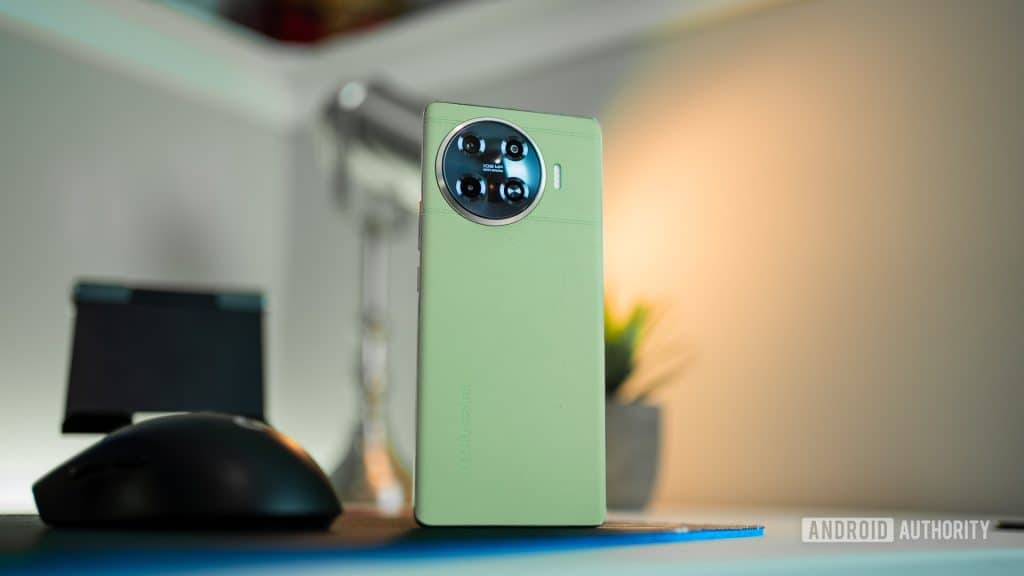
It also comes with 8GB RAM and 256GB of internal storage (expandable to 256GB). With a more robust chipset, the Nokia beast gets the point this round. In detail, the Nokia handset houses a gigantic 8100mAh juice box, while its rival figure is a smaller 5000mAh energy cell. Therefore, the Nokia beast wins the first round. On the other side, both handsets run on Android 14 as the operating system. The Nokia Energy cameras pack a triple 108MP + 16MP + 8MP sensors on the back of the optics system. Furthermore, it has a single 32MP front-facing lens. The Tecno Spark 20 Pro Plus cameras also flaunt dual 108MP + 0.08MP rear sensors. A single 32MP shooter is used to capture selfies. Thanks to better performance, the Nokia team wins over the Realme brand.
Nokia Energy vs. Tecno Spark 20 Pro Plus release date and price
The Nokia Energy release date should take place in the upcoming months. The Tecno Spark 20 Pro Plus release date happened in February 2024. The Nokia Energy price starts at $159 ~ Rs. 13,251. Meanwhile, the Tecno Spark 20 Pro Plus price is around $294 ~ Rs. 24,131. Follow our website for more news on the latest smartphones and compare articles!
You May Like
-
Sony Xperia Ultra Max Pro Specs: 200MP Cameras, 19100mAh Battery!
-
-
Nokia Joker 2026 Specs: 200MP Cameras, 9800mAh Battery!
-
Nokia Horizon 2026 Specs: 200MP Cameras, 12800mAh Battery!
-
Nokia Titan 2026 Specs: 16GB RAM, 9700mAh Battery!
-
Redmi Note 15 Series Goes Global With 200MP Cameras, 6580mAh Battery, Price!
Huawei Pocket 2 vs. Oppo Reno11 F: 16GB RAM, 5000mAh Battery!
Welcome to the new battle between the Huawei Pocket 2 vs. Oppo Reno11 F with 16GB RAM and a 5000mAh battery. Check out the final winner below!

Huawei Pocket 2 vs. Oppo Reno11 F specs
Huawei Pocket 2 appears with high-end specs and an impressive look. Otherwise, the Oppo Reno11 F is the latest member of the Chinese brand, with great storage and a unique camera design! The Huawei Pocket 2 specs feature a 6.94-inch Foldable LTPO OLED with an 1136 x 2690 pixels resolution. Additionally, its cover display features a 1.15-inch LTPO OLED with 340 x 340 pixels.
Besides, the Oppo Reno11 F specs offer a 6.7-inch AMOLED display with a resolution of 1080 x 2412 pixels. Hence, the Huawei phone scored the first goal with a bigger screen size. Conversely, the Huawei device provides the Kirin 9000S SoC chipset, while its rival runs on MediaTek Dimensity 7050 as the hardware. With better hardware, the Oppo phone wins this time.

Moreover, the Huawei and Oppo handsets work on Android 14 as the operating system. As for the memory system, the Huawei smartphone sports 256GB/ 12GB RAM, 512GB/ 12GB RAM, 1TB/ 12GB RAM, and 1TB/ 16GB RAM (no card slot). Meanwhile, the Oppo handset offers 8GB RAM and 256GB of internal storage (expandable to 256GB). As a result, the Huawei monster wins this round thanks to more massive RAM. On the other hand, the Huawei Pocket 2 cameras feature a quad 50MP primary lens + 8MP telephoto + 12MP ultrawide shooter + 2MP spectral at the rear and a single 10.7MP sensor for taking selfies. In contrast, the Oppo Reno11 F cameras pack a triple 64MP primary lens + 8MP ultrawide sensor + 2MP macro sensor on the back and a single 32MP front-facing sensor. About the battery capacity, the Huawei phone houses a 4520mAh with 66W wired charging, while its rival figure is a larger 5000mAh battery cell.
Huawei Pocket 2 vs. Oppo Reno11 F release date and price
The Huawei Pocket 2 release date occurred in February 2024. Also, the Oppo Reno11 F is going on sale soon. Regarding the cost, the Huawei Pocket 2 price starts at $1,047 ~ Rs. 86,675. At the same time, the Oppo Reno11 F price starts around $299 ~ Rs. 24,831. Which one do you prefer? Drop us your thoughts in the comment section below!
You May Like
-
Sony Xperia Ultra Max Pro Specs: 200MP Cameras, 19100mAh Battery!
-
-
Nokia Joker 2026 Specs: 200MP Cameras, 9800mAh Battery!
-
Nokia Horizon 2026 Specs: 200MP Cameras, 12800mAh Battery!
-
Nokia Titan 2026 Specs: 16GB RAM, 9700mAh Battery!
-
Redmi Note 15 Series Goes Global With 200MP Cameras, 6580mAh Battery, Price!
Top Chinese phones March 2024: 16GB RAM, 5500mAh Battery!
Let’s check out our list of the top Chinese phones in March 2024, with specs like 16GB RAM and a 5500mAh battery! Find your favorite smartphone below!
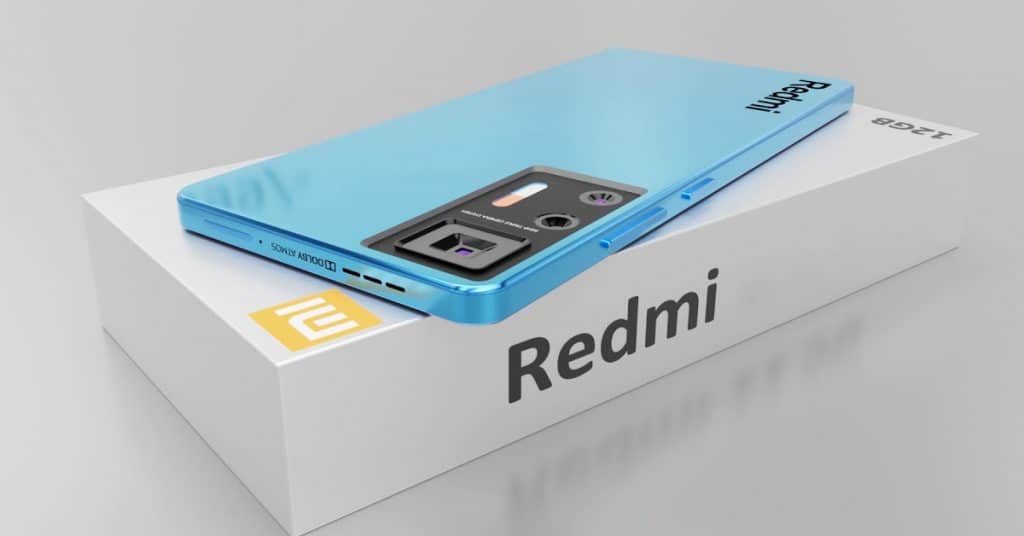
1. Xiaomi 14 Ultra
A new Xiaomi 14 Ultra member took first place on our list of the top Chinese phones in March 2024. Notably, the smartphone comes out with a crazy battery and impressive design. Concerning the next candidate, the Xiaomi 14 Ultra specs feature a 6.73-inch LTPO AMOLED with a 1440 x 3200 pixels resolution for the display. Under the hood, the Xiaomi device runs on Android 13-based MIUI 14 and provides the Qualcomm Snapdragon 8 Gen 3 chipset.
Further, the Xiaomi smartphone sports 256GB/ 12GB RAM, 256GB/ 16GB RAM, 512GB/ 16GB RAM, and 1TB/ 16GB RAM (no card slot). What are the other specs of this smartphone? As for an optics system, the Xiaomi 14 Ultra cameras comprise quad 50MP + 50MP + 50MP + 50MP rear sensors. Back to front, the Xiaomi phone has a single 32MP front lens. Additionally, the Xiaomi device bears a 5300mAh battery box. Finally, the Xiaomi 14 Ultra price starts at $399 ~ Rs. 33,118.

2. Realme GT Neo 5 SE
The next member of the top Chinese phones in March 2024 is the Realme GT Neo 5 SE. In detail, the Realme GT Neo 5 SE specs bring a 6.74-inch OLED with a 1240 x 2772 pixels resolution. Under the hood, the Realme beast runs on Android 13 and accepts power from the Qualcomm Snapdragon 7+ Gen 2 SoC. On the other hand, the Realme device sports three options: 256GB/ 8GB RAM, 256GB/ 12GB RAM, 512GB/ 12GB RAM, and 1TB/ 16GB RAM (no card slot). Imaging-wise, the Realme GT Neo 5 SE cameras feature 64MP primary lens + 8MP ultrawide shooter + 2MP microscope on the back and a 16MP selfie snapper. Besides, the Realme handset houses a 5500mAh juice box. Let’s talk about the cost! Lastly, the Realme GT Neo 5 SE price is $292 ~ Rs. 24,210.
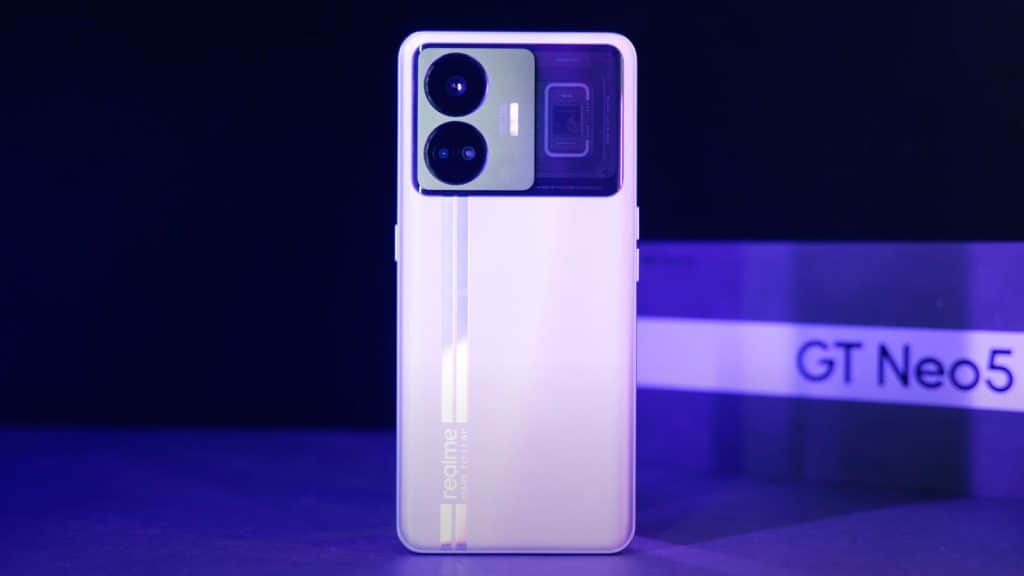
3. Xiaomi 14
Regarding the display, Xiaomi 14 specs pack a 6.36-inch LTPO OLED with a 1200 x 2670 pixels resolution. Under the hood, the Xiaomi 14 drives the Qualcomm Snapdragon 8 Gen 3 chipset and runs on Android 14-based HyperOS as the operating system. Besides, this device sports various options: 256GB/ 8GB RAM, 256GB/ 12GB RAM, 512GB/ 12GB RAM, 512GB/ 16GB RAM, and 1TB 16GB RAM (no card slot). Imaging-wise, the Xiaomi 14 cameras boast a triple 50MP primary lens + 50MP telephoto + 50MP ultrawide shooter on the back and a 32MP front-facing snapper. Besides, the Samsung handset juice box has a 4610mAh capacity. For a cost, the Xiaomi 14 price begins at $1,063 ~ Rs. 88,148.

4. iQOO Z8
Concerning the display, the iQOO Z8 specs sport a 6.64-inch IPS LCD with a 1080 x 2388 pixels resolution. As for the software system, the Vivo flagship boots Android 13-based. Moreover, the Vivo machine boasts the Mediatek Dimensity 8200 SoC. Besides, this device arrives in 256GB/ 8GB RAM, 256GB/ 12GB RAM, and 512GB/ 12GB RAM (no card slot). Imaging-wise, the iQOO Z8 cameras sport a dual 64MP primary lens + 2MP depth shooter. For capturing selfies, the Vivo phone features a 16MP lens. The power of this Vivo monster is a 5000mAh battery box. Lastly, the iQOO Z8 price is $249 ~ Rs. 20,645.

5. Xiaomi Redmi Note 13 Pro
How about the last applicant on our list today? In detail, the Xiaomi Redmi Note 13 Pro specs pack a 6.67-inch AMOLED with a 1220 x 2712 pixels resolution and a 120Hz refresh rate. Under the hood, the Redmi Note 13 Pro device drives the Qualcomm Snapdragon 7s Gen 2 chipset. Furthermore, the Redmi Note 13 Pro handset arrives in various storage variants: 128GB/ 8GB RAM, 256GB/ 8GB RAM, 256GB/ 12GB RAM, 512GB/ 12GB RAM, and 512GB/ 16GB RAM (no card slot). Imaging-wise, the Redmi Note 13 Pro cameras boost triple 200MP + 8MP + 2MP rear lenses and a single 16MP front-facing shooter. Besides, the Redmi Note 13 Pro houses a 5100mAh juice box. Besides, the Redmi Note 13 Pro handset runs on Android 13-based MIUI 14. Lastly, the Redmi Note 13 Pro price starts at around $488 ~ Rs. 40,523.

Top Chinese phones March 2024
We highly recommend Xiaomi 14 Ultra due to its battery capacity and friendly budget in these smartphones above. Moreover, you can consider the Realme GT Neo 5 SE with its gorgeous design. Which one do you like most? Remember to tell us in the comment section!
You May Like
-
Sony Xperia Ultra Max Pro Specs: 200MP Cameras, 19100mAh Battery!
-
-
Nokia Joker 2026 Specs: 200MP Cameras, 9800mAh Battery!
-
Nokia Horizon 2026 Specs: 200MP Cameras, 12800mAh Battery!
-
Nokia Titan 2026 Specs: 16GB RAM, 9700mAh Battery!
-
Redmi Note 15 Series Goes Global With 200MP Cameras, 6580mAh Battery, Price!
Oppo F25 Pro vs. Lava Blaze Curve: 64MP Cameras, 5000mAh Battery!
Welcome to the exciting battle between two beasts Oppo F25 Pro vs. Lava Blaze Curve, with 64MP cameras and a 5000mAh battery. Let’s check it out!
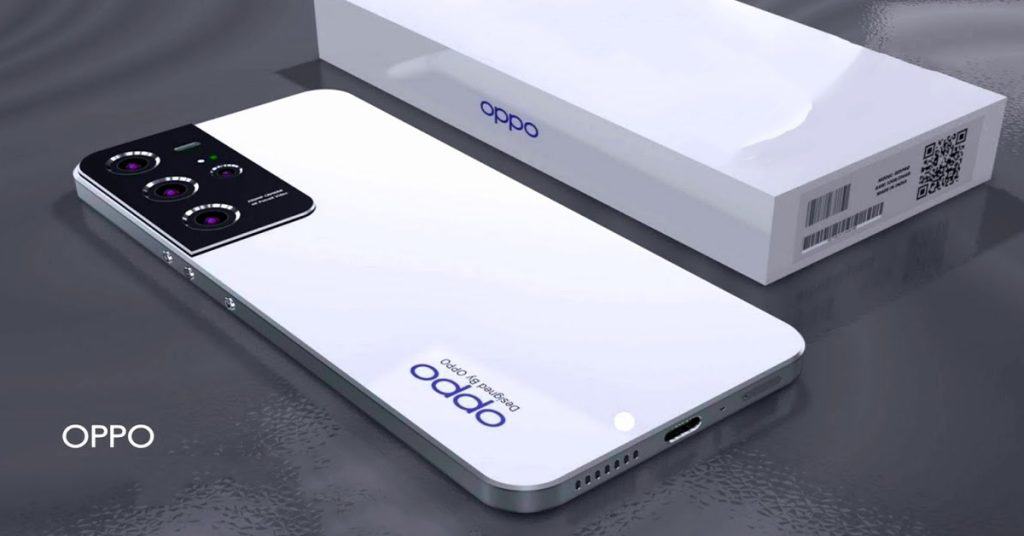
Oppo F25 Pro vs. Lava Blaze Curve specs
Oppo F25 Pro comes with high-end hardware and massive storage. In contrast, the Lava Blaze Curve has a gorgeous design and massive hardware. First of all, let’s talk about the storage department! The Oppo machine boots 128GB/ 8GB RAM and 256GB/ 8GB RAM. At the same time, the Oppo handset has massive 256GB external storage support via the MicroSD card. Furthermore, the Lava device ships with 6GB/ 8GB RAM and 128GB of internal storage (No card slot).
On the software front, Oppo smartphones boot on Android 14, while their rivals run on Android 13. Conversely, the Oppo F25 Pro specs flaunt a 6.7-inch AMOLED with a 1080 x 2412 pixels resolution, a 20:9 aspect ratio, and Corning Gorilla Glass 5 protection. Besides, the Lava Blaze Curve specs offer a 6.7-inch AMOLED with a 1080 x 2460 pixels resolution. Therefore, the Lava phone is ahead with a bigger resolution.

Under the hood, the Oppo machine boasts the Mediatek Dimensity 7050 chipset as the processor. Meanwhile, the Lava device gets power from the Mediatek Dimensity 7050 chipset. Therefore, the winner of the second round belongs to the Lava handset. Why don’t we talk about the optics department? In detail, Oppo F25 Pro cameras pack a triple 64MP primary sensor + 8MP ultrawide shooter + 2MP macro lens. In contrast, a 32MP front-facing shooter exists for taking selfies and video calling. On the other hand, the Lavarola Lava Blaze Curve cameras feature a triple 64MP + 2MP + 2MP rear shooter on the back. Around the front is a single 16MP snapper for taking selfies and video calling. Concerning the battery department, the Oppo device houses a 5000mAh energy box, while the other figure is the same 5000mAh battery cell. Hence, the Oppo team gets one point.
Oppo F25 Pro vs. Lava Blaze Curve release date and price
The Oppo F25 Pro release date occurred in March 2024, whereas the Lava Blaze Curve release date occurred in February 2024 in India. Concerning the cost, the Oppo F25 Pro price begins around $290 ~ Rs. 23,999. Furthermore, the Lava Blaze Curve price falls around $205 ~ Rs.16,999. Which one do you prefer? Let us know your thoughts about this race in the comment section!
You May Like
-
Sony Xperia Ultra Max Pro Specs: 200MP Cameras, 19100mAh Battery!
-
-
Nokia Joker 2026 Specs: 200MP Cameras, 9800mAh Battery!
-
Nokia Horizon 2026 Specs: 200MP Cameras, 12800mAh Battery!
-
Nokia Titan 2026 Specs: 16GB RAM, 9700mAh Battery!
-
Redmi Note 15 Series Goes Global With 200MP Cameras, 6580mAh Battery, Price!
OnePlus Nord CE4 Specs: 50MP Cameras, 5000mAh Battery!
It’s time to see the new flagship, OnePlus Nord CE4, which features 50MP cameras and a 5000mAh battery. Keep reading for more details of the OnePlus Nord CE4 specs!
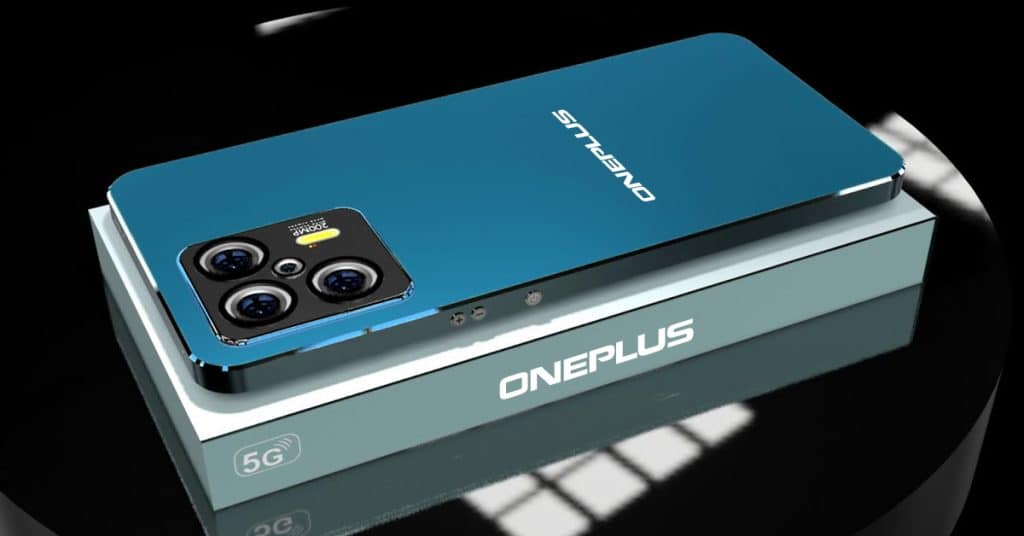
OnePlus Nord CE4 specs
OnePlus has announced that the Nord CE4 smartphone would be launched in India on Monday, April 1, 2024, at 18:30 IST. There will be two choices for the Nord CE4. The Dark Chrome variation has a glossy finish with a glittering gradient across the surface. The Celadon Marble version is light green with a marbled texture, comparable to the OnePlus 11 Marble Odyssey edition. Anyway, let’s get started.
Let’s see what we’ve learned about the new phone! Firstly, the OnePlus handset rocks a 5000mAh energy cell with 80W SuperVOOC charging. As for the display, OnePlus Nord CE4 specs offer a 6.72-inch Fluid AMOLED with a 1080 x 2412 pixels resolution. Plus, the OnePlus phone brings a 20:9 ratio and a 120Hz refresh rate. Why don’t we come to the hardware-wise?
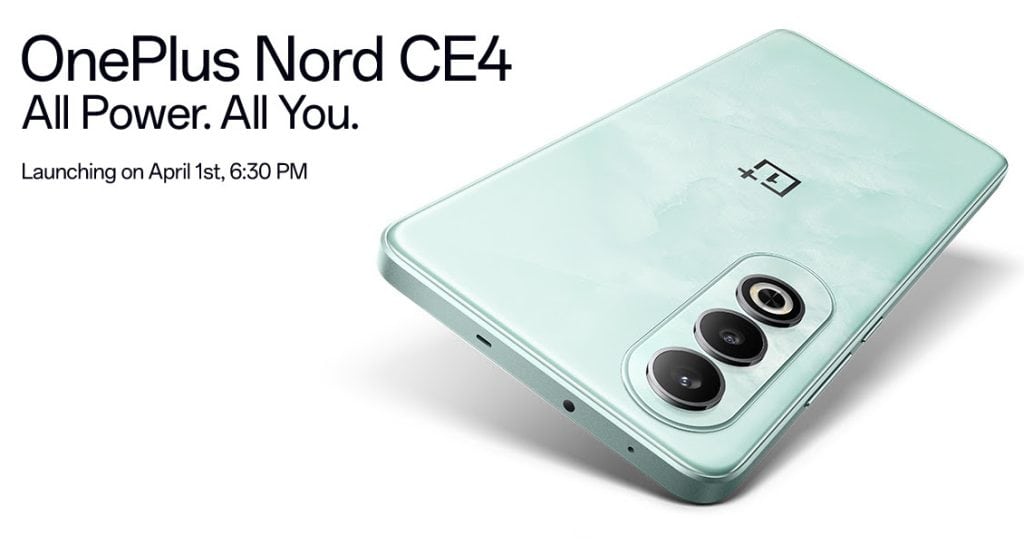
In addition, the Qualcomm Snapdragon 7 Gen 3 SoC powers the OnePlus machine. Moreover, this OnePlus handset runs on Android 14 as the operating system. About the memory department? The OnePlus handset arrives with 8GB/ 12GB RAM and 256GB/ 512GB of internal storage (expandable to 256GB). How about the optics system? The OnePlus Nord CE4 cameras pack triple lenses at the rear. It consists of 50MP primary sensor + 8MP ultrawide sensor + 2MP depth sensor. There is also a single 16MP snapper at the front-facing for capturing selfies and video calling.
OnePlus Nord CE4 release date and price
According to our resources, the OnePlus Nord CE4 release date should fall in the upcoming months. Concerning the cost, the OnePlus Nord CE4 price begins at $321 ~ Rs. 2,6551. Are readers looking forward to the OnePlus debut? Follow us to get the latest technology news!
You May Like
-
Sony Xperia Ultra Max Pro Specs: 200MP Cameras, 19100mAh Battery!
-
-
Nokia Joker 2026 Specs: 200MP Cameras, 9800mAh Battery!
-
Nokia Horizon 2026 Specs: 200MP Cameras, 12800mAh Battery!
-
Nokia Titan 2026 Specs: 16GB RAM, 9700mAh Battery!
-
Redmi Note 15 Series Goes Global With 200MP Cameras, 6580mAh Battery, Price!
Nokia Xplus vs. Xiaomi Redmi Note 13 Pro+: 200MP Cameras, 7100mAh Battery!
Come to see the battle between Nokia Xplus vs. Xiaomi Redmi Note 13 Pro+ with 16GB RAM and a 7100mAh battery today. Discover the winner below!

Nokia Xplus vs. Xiaomi Redmi Note 13 Pro+ specs
The Nokia Xplus launches with extra premium specs. Meanwhile, Xiaomi Redmi Note 13 Pro+ attracts mobile users with a gorgeous design. In detail, the Nokia Xplus specs display a 6.9-inch Super AMOLED touchscreen with a 1440 x 3200 pixel resolution. The Xiaomi Redmi Note 13 Pro+ specs sport a 6.67-inch OLED with a 1220 x 2712 pixels resolution. With the bigger screen size, the Nokia team won this round.
As for the battery, the Nokia monster houses a 7100mAh juice box. Besides, the Xiaomi phone has a smaller 5000mAh battery. Further, the Nokia handset uses the Qualcomm Snapdragon 8 Gen 3 chipset, while its rival boots the MediaTek Dimensity 7200 Ultra SoC. The Xiaomi smartphone boasts 12GB/ 16GB RAM and two variants: 256GB and 512GB ROM (expandable using a micro SD card up to 1TB).
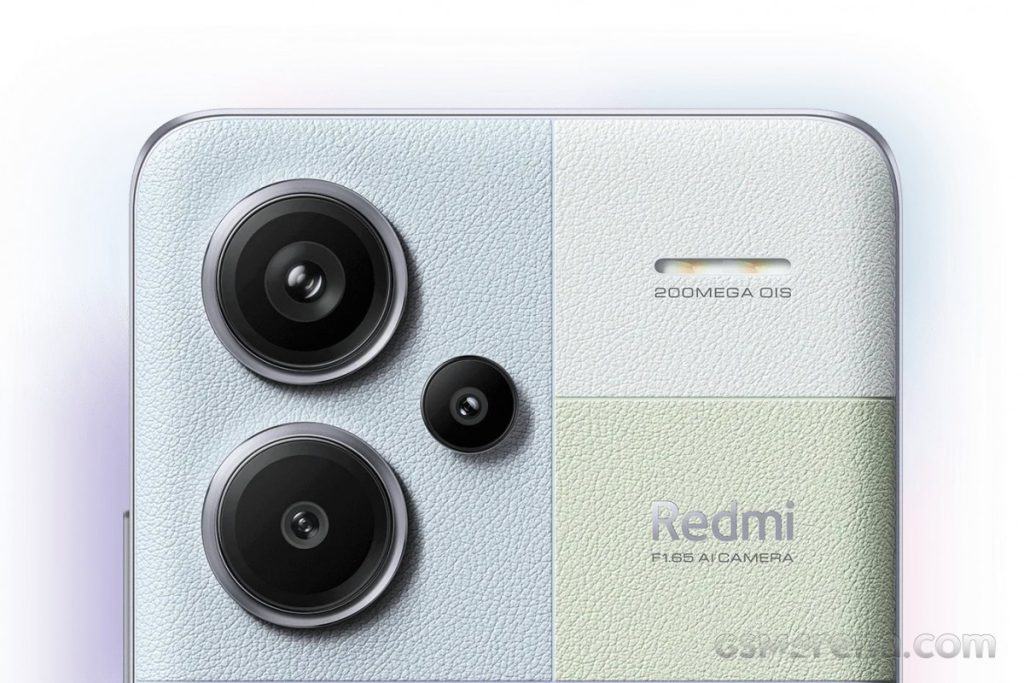
Furthermore, the Xiaomi machine has three memory options: 256GB/ 12GB RAM, 512GB/ 12GB RAM, and 512GB/ 16GB RAM (no card slot). Hence, the Nokia team gets another point due to its larger storage capacity. Imaging-wise, the Nokia Xplus cameras comprise 200MP primary lens+ 32MP ultrawide shooter + 16MP telephoto + 5MP depth sensor at the rear. Around the front, this flagship packs a single 16MP selfie shooter. Plus, the Xiaomi Redmi Note 13 Pro+ camera flaunts a triple 200MP + 8MP + 2MP sensor on the back. There is a single 16MP lens around the front for capturing selfies. So, the Xiaomi beast wins in this round for a better camera system. In addition, the Nokia handset works on Android 14, whereas the Xiaomi device runs on Android 13-based MIUI 14 as the operating system. So, Xiaomi became the winner of today’s competition.
Nokia Xplus vs. Xiaomi Redmi Note 13 Pro+ release date and price
The Nokia Xplus release date should fall in the upcoming months, while the Xiaomi Redmi Note 13 Pro+ release date occurred in September 2023. About the cost, the Nokia Xplus price starts at $369 ~ Rs. 27,500. Conversely, the Xiaomi Redmi Note 13 Pro+ price is around 266 ~ Rs. 22,105. Please share with us your thoughts in the section below!
You May Like
-
Sony Xperia Ultra Max Pro Specs: 200MP Cameras, 19100mAh Battery!
-
-
Nokia Joker 2026 Specs: 200MP Cameras, 9800mAh Battery!
-
Nokia Horizon 2026 Specs: 200MP Cameras, 12800mAh Battery!
-
Nokia Titan 2026 Specs: 16GB RAM, 9700mAh Battery!
-
Redmi Note 15 Series Goes Global With 200MP Cameras, 6580mAh Battery, Price!
Xiaomi Redmi A3 vs. Samsung Galaxy A35: 8GB RAM, 50MP Cameras!
Welcome to the exciting race between two smartphones Xiaomi Redmi A3 vs. Samsung Galaxy A35, featuring fantastic 8GB RAM and 50MP cameras! Catch the final winner below!
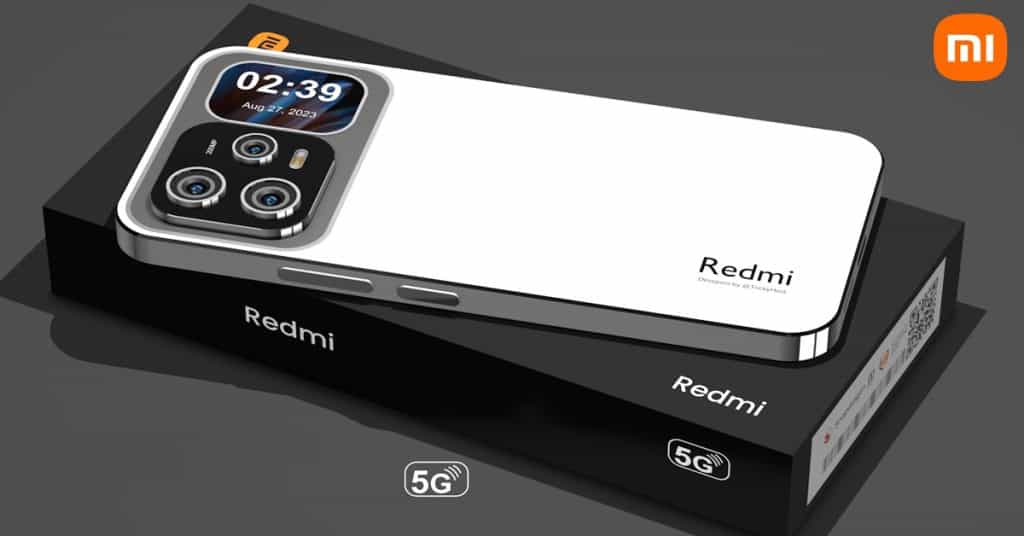
Xiaomi Redmi A3 vs. Samsung Galaxy A35 specs
Xiaomi Redmi A3 is one of the latest products of the Chinese brand. Besides, the Samsung Galaxy A35 debuts with a gorgeous design. In detail, the Xiaomi smartphone carries a 5000mAh energy box while its opponent has the same 5000mAh juice box. Hence, each team gets one point in the first round. On the other side, the Xiaomi handset comes in various options.
It consists of 32GB/ 2GB RAM, 32GB/ 3GB RAM, 64GB/ 2GB RAM, 64GB/ 3GB RAM, 64GB/ 4GB RAM, and 128GB/ 4GB RAM (Expandable to 256GB). Furthermore, the Samsung device boots 128GB/ 6GB RAM, 128GB/ 8GB RAM, and 256GB/ 8GB RAM (no card slot). Thanks to a huge amount of RAM, the Samsung handset wins this time.

Hardware-wise, the Xiaomi machine boasts the MediaTek Helio G36 SoC. Meanwhile, the Samsung smartphone drives the Exynos 1380 chipset. So, with a better chipset, the Samsung team gets one point. The Xiaomi handset works on Android 14. Meanwhile, the Samsung device runs Android 14-based One UI 6.1 as the operating system. The Xiaomi Redmi A3 specs about the display offer a 6.71-inch IPS LCD with a 720 x 1650 pixels resolution. Furthermore, Samsung Galaxy A35 specs feature a 6.6-inch Super AMOLED with a 1080 x 2340 pixels resolution. With the higher screen size, the Xiaomi flagship wins again. Imaging-wise, the Xiaomi Redmi A3 cameras pack a dual 13MP primary lens + 0.08MP auxiliary lens at the back setup. Around the front, there is a single 8MP sensor for taking selfies. Otherwise, the Samsung Galaxy A35 cameras equip a triple 50MP + 8MP + 5M rear sensors and a single 13MP front-facing shooter. The Samsung beast scored the last round thanks to the higher camera resolutions.
Xiaomi Redmi A3 vs. Samsung Galaxy A35 release date and price
The Xiaomi Redmi A3 release date occurred in February 2024, while the Samsung Galaxy A35 release date might happen soon. Regarding the cost, the Xiaomi Redmi A3 price is about $129 ~ Rs. 10,670. Meanwhile, the Samsung Galaxy A35 price is $250 ~ Rs. 20,678. Stay tuned and update us on the latest reports!
You May Like
-
Sony Xperia Ultra Max Pro Specs: 200MP Cameras, 19100mAh Battery!
-
-
Nokia Joker 2026 Specs: 200MP Cameras, 9800mAh Battery!
-
Nokia Horizon 2026 Specs: 200MP Cameras, 12800mAh Battery!
-
Nokia Titan 2026 Specs: 16GB RAM, 9700mAh Battery!
-
Redmi Note 15 Series Goes Global With 200MP Cameras, 6580mAh Battery, Price!
Nokia Beam Max vs. Lava Blaze Curve: 16GB RAM, 8500mAh Battery!
Let’s start a new race between Nokia Beam Max vs. Lava Blaze Curve with 16GB RAM and an 8500mAh battery today. Scroll down for more details on the result of this fight!
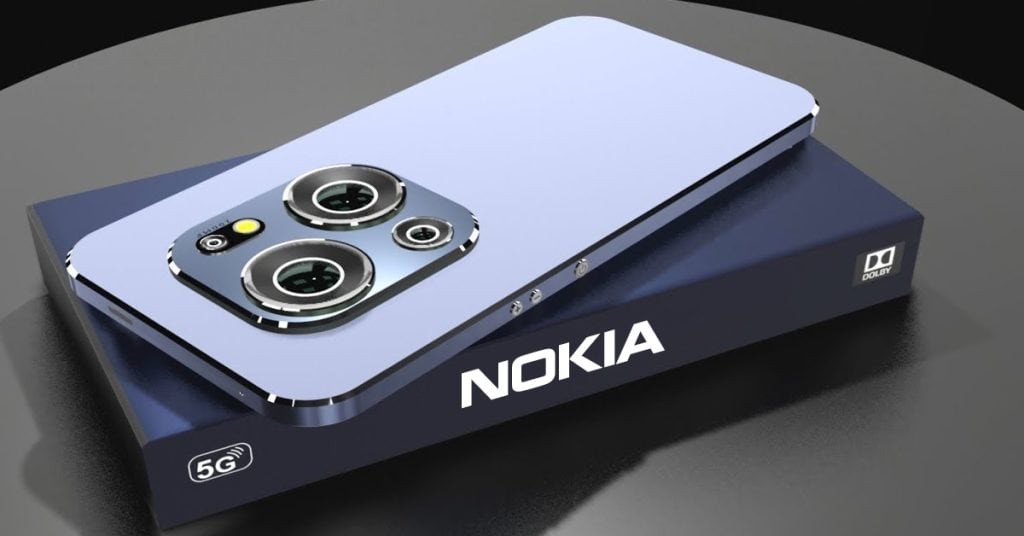
Nokia Beam Max vs. Lava Blaze Curve specs
Nokia Beam Max is a high-end smartphone by HDM Global. In contrast, the Lava Blaze Curve has a gorgeous design and massive hardware. First of all, let’s talk about the display! The Nokia Beam Max specs offer a 6.9-inch Super AMOLED display with 4K resolutions. Additionally, the Nokia handset offers a 21:9 aspect ratio and a 140Hz refresh rate. Besides, the Lava Blaze Curve specs offer a 6.7-inch AMOLED with a 1080 x 2460 pixels resolution. Therefore, the Nokia team is ahead with a bigger resolution.
Furthermore, the Nokia handset runs on Android 14, while the Lava device works on Android 13 as the operating system. Conversely, the Nokia machine boots 12GB/ 16GB of RAM and 256GB/ 512GB of internal storage. Also, the Nokia handset has massive 1TB external storage support via the MicroSD card. Furthermore, the Lava device ships with 8GB RAM and 128GB/ 256GB of internal storage (No card slot). Under the hood, the Nokia machine boasts the Qualcomm Snapdragon 8 Gen 2 chipset as the processor.
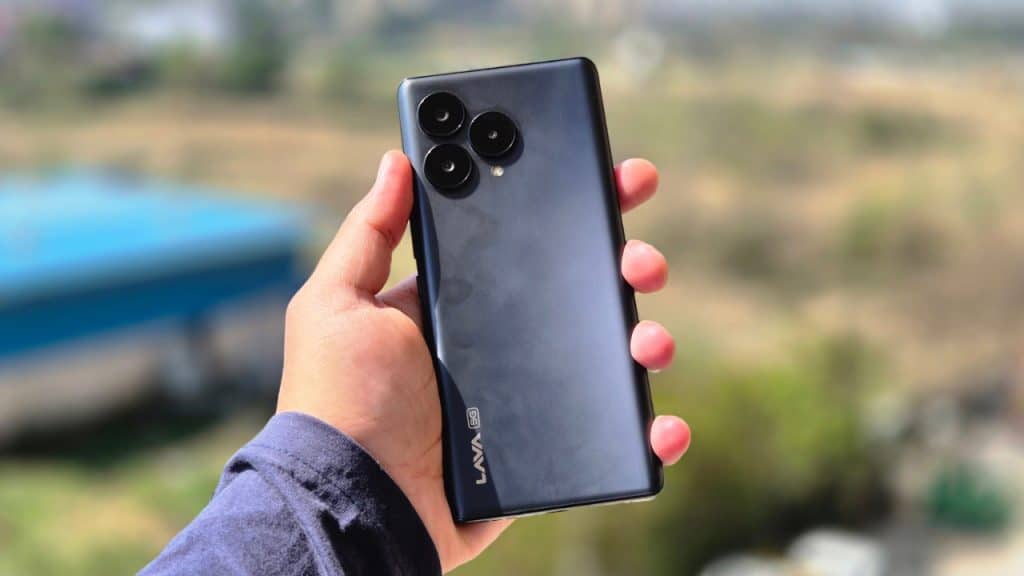
Meanwhile, the Lava device gets power from the Mediatek Dimensity 7050 chipset. Therefore, the winner of the second round belongs to the Lava handset. Why don’t we talk about the optics department? In detail, Nokia Beam Max cameras pack a quad 200MP primary lens + 32MP ultrawide sensor + 2MP macro sensor + 2MP TOF depth sensor. At the same time, a 64MP front-facing shooter exists to take selfies and make video calls. On the other hand, the Lava Blaze Curve cameras feature a triple 64MP + 8MP + 2MP rear shooter on the back. Around the front is a single 32MP snapper for taking selfies and video calling. Concerning the battery department, the Nokia device houses an 8500mAh energy box, while the other figure is a smaller 5000mAh battery cell. Hence, the Samsung team gets one point.
Nokia Beam Max vs. Lava Blaze Curve release date and price
The Nokia Beam Max release date should fall in the upcoming months, whereas the Lava Blaze Curve 5G release date occurred in February 2024 in India. Concerning the cost, the Nokia Beam Max price begins around $290 ~ Rs. 23,214. Furthermore, the Lava Blaze Curve price falls around $205 ~ Rs.16,999. Which one do you prefer? Let us know your thoughts about this race in the comment section!
You May Like
-
Sony Xperia Ultra Max Pro Specs: 200MP Cameras, 19100mAh Battery!
-
-
Nokia Joker 2026 Specs: 200MP Cameras, 9800mAh Battery!
-
Nokia Horizon 2026 Specs: 200MP Cameras, 12800mAh Battery!
-
Nokia Titan 2026 Specs: 16GB RAM, 9700mAh Battery!
-
Redmi Note 15 Series Goes Global With 200MP Cameras, 6580mAh Battery, Price!
Nokia Premiere vs. iQOO Neo 9: 108MP Cameras, 7600mAh Battery!
Let’s start the heated battle between Nokia Premiere vs. iQOO Neo 9 with 108MP cameras and a 7600mAh battery! Read on to catch the final winner now!

Nokia Premiere vs. iQOO Neo 9
The Nokia Premiere stands out for its premium configurations. On the other hand, the iQOO Neo 9 impresses with gorgeous designs. In detail, both phones boot the Android 14 as the operating system. However, the Nokia phone uses the Qualcomm Snapdragon 8 Gen 2 chipset, while powering the Vivo phone is the Qualcomm Snapdragon 8 Gen 2 processor.
With the same balance of performance and features, each team gets one point in the first round. As for the display, the Nokia Premiere specs offer a 6.9-inch IPS LCD with 4K resolution and a 21:9 aspect ratio. Moreover, the iQOO Neo 9 specs sport a tall screen of 6.72-inch AMOLED with a resolution of 1440 x 3200 pixels. Hence, the Nokia beast wins this round for better resolution.
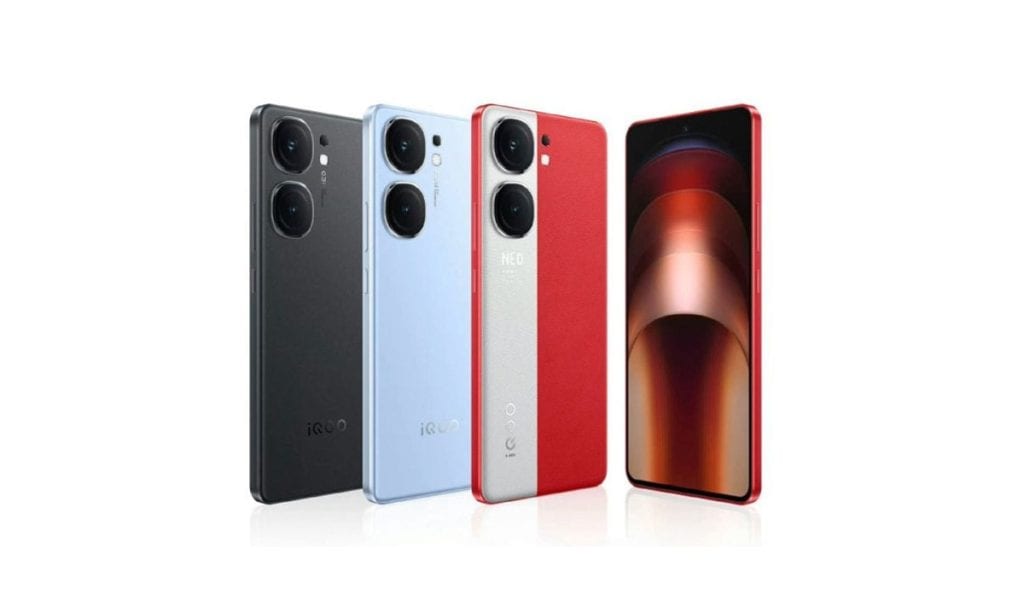
Besides, the Nokia device houses a 7600mAh juice box with 65 W fast-charging support. In contrast, the Vivo machine carries a smaller 5500mAh non-removable battery with fast charging features. In terms of storage, the Nokia handset provides 12GB/ 16GB RAM and 256/512GB of internal storage (expandable up to 1TB via a microSD card). Conversely, the Vivo phone ships with 8GB/ 12GB of RAM. Also, this phone offers 256GB/ 512GB of internal storage (no card slot). Optics-wise, the Nokia Premiere camera boasts a triple 108MP primary lens + 32MP ultrawide shooter + 20MP macro snapper on the back. Additionally, a single 48MP lens is on the front for selfies and making video calls. The iQOO Neo 9 camera packs a triple-lens rear setup. It comprises a 50MP primary lens + 2MP depth sensor + 12MP macro snapper with digital zoom and face detection. As a result, the Nokia phone wins the last round for a higher RAM capacity and a more advanced camera system.
Nokia Premiere vs. iQOO Neo 9 release date and price
The Nokia Premiere release date should fall in the following months. In contrast, the iQOO Neo 9 release date may occur in March 2024. Concerning, the Nokia Premiere price begins at $218 ~ Rs. 18,940. On the contrary, the iQOO Neo 9 price falls around $733 ~ Rs. 60,297. Which one do you prefer? Let us know in the comment section!
You May Like
-
Sony Xperia Ultra Max Pro Specs: 200MP Cameras, 19100mAh Battery!
-
-
Nokia Joker 2026 Specs: 200MP Cameras, 9800mAh Battery!
-
Nokia Horizon 2026 Specs: 200MP Cameras, 12800mAh Battery!
-
Nokia Titan 2026 Specs: 16GB RAM, 9700mAh Battery!
-
Redmi Note 15 Series Goes Global With 200MP Cameras, 6580mAh Battery, Price!


