Author: Chris Eilers
Samsung Galaxy M35 vs. vivo T4X: 8GB RAM, 6500mAh Battery!
Let’s compare the Samsung Galaxy M35 vs Vivo T4X, two feature-packed smartphones offering powerful cameras and large batteries for daily use.
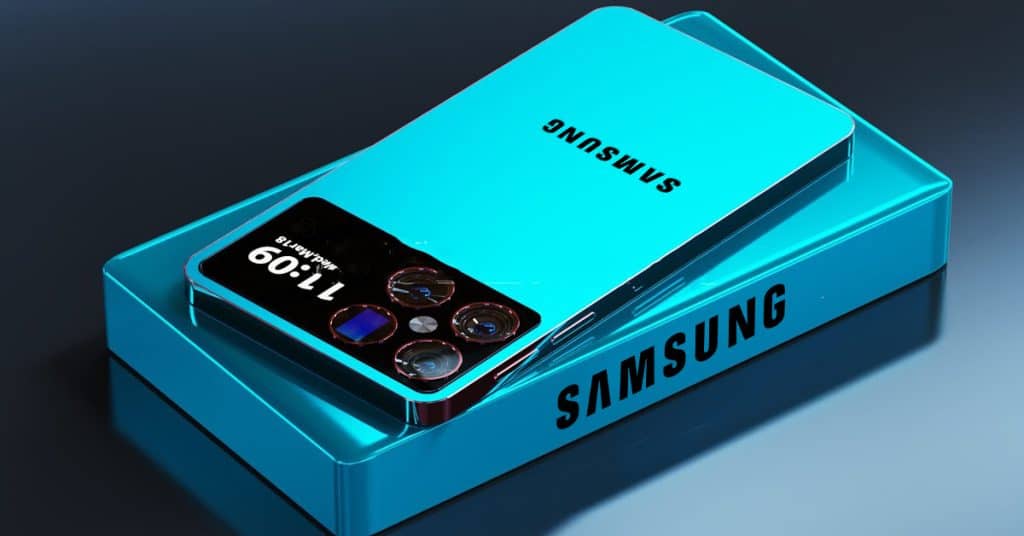
Samsung Galaxy M35 vs Vivo T4X specs
The Samsung Galaxy M35 specs coming with the screen features include a 6.6-inch Super AMOLED display, 120Hz refresh rate, and 1080 x 2340 pixels resolution. Meanwhile, the Vivo T4X specs coming with the screen features showcase a 6.72-inch IPS LCD with a 120Hz refresh rate and 1080 x 2408 pixels resolution. Both phones deliver smooth visuals, but Vivo offers a slightly larger screen for media consumption.
Moving to performance, the Samsung Galaxy M35 runs the Exynos 1380 chipset, providing efficient multitasking and moderate gaming capability. On the other hand, the Vivo T4X features the newer MediaTek Dimensity 7300 chipset for faster processing and enhanced power efficiency. Both devices ship with Android 15, ensuring access to the latest features and security updates.

In terms of memory, the Samsung phone includes 6GB or 8GB RAM and 128GB or 256GB internal storage, expandable via microSD. In contrast, the Vivo T4X offers the same RAM and storage options but lacks support for external storage. Samsung earns a point for expandability. When it comes to cameras, the Samsung Galaxy M35 cameras include a 50MP main sensor, an 8MP ultrawide, and a 2MP macro lens. It also features a 13MP selfie shooter.
Meanwhile, the Vivo T4X cameras offer a dual setup with a 50MP primary sensor and a 2MP depth sensor, alongside an 8MP front camera. Samsung wins here with a more versatile rear system and higher selfie resolution. The Galaxy M35 packs a 6000mAh battery with 25W fast charging, providing solid endurance throughout the day. On the other hand, the Vivo T4X features a larger 6500mAh battery with 44W fast charging, giving it the edge in power capacity.
Samsung Galaxy M35 vs Vivo T4X release date and price
The Samsung Galaxy M35 release date occurred in June 2024, while the Vivo T4X release date was also in mid-2024. The Samsung Galaxy M35 price starts at $299 ~ Rs. 24,999, whereas the Vivo T4X price begins at $189 ~ Rs. 15,725.
You May Like
-
 Sony Xperia Ultra Max Pro Specs: 200MP Cameras, 19100mAh Battery!
-

-
Nokia Joker 2026 Specs: 200MP Cameras, 9800mAh Battery!
-
Nokia Horizon 2026 Specs: 200MP Cameras, 12800mAh Battery!
-
 Nokia Titan 2026 Specs: 16GB RAM, 9700mAh Battery!
-
Redmi Note 15 Series Goes Global With 200MP Cameras, 6580mAh Battery, Price!
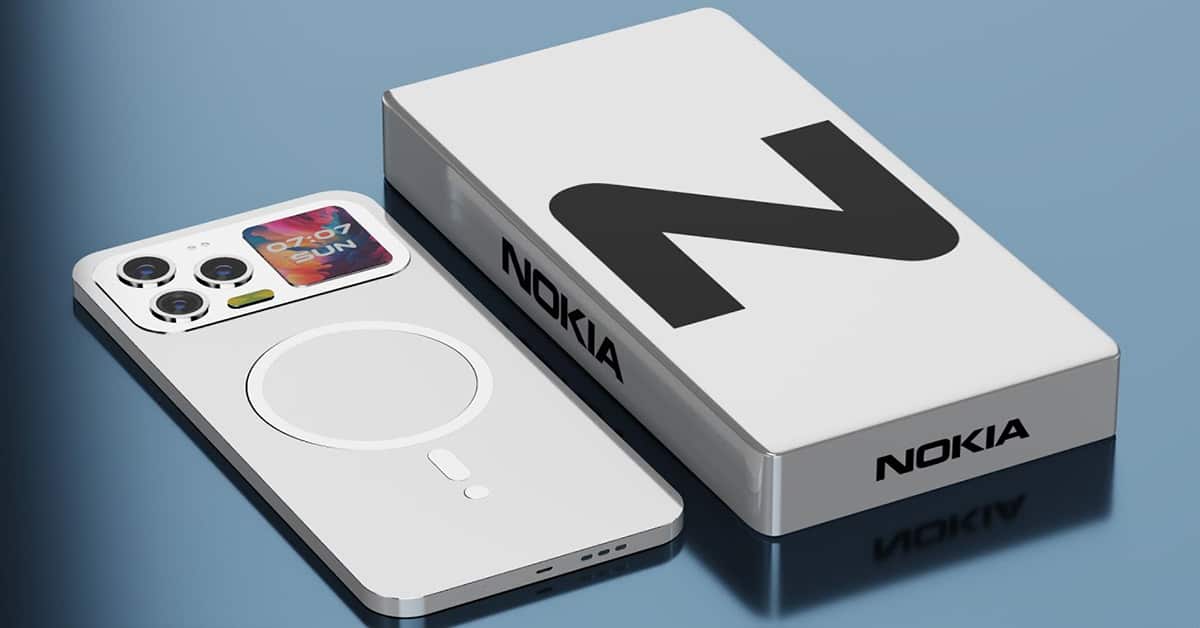
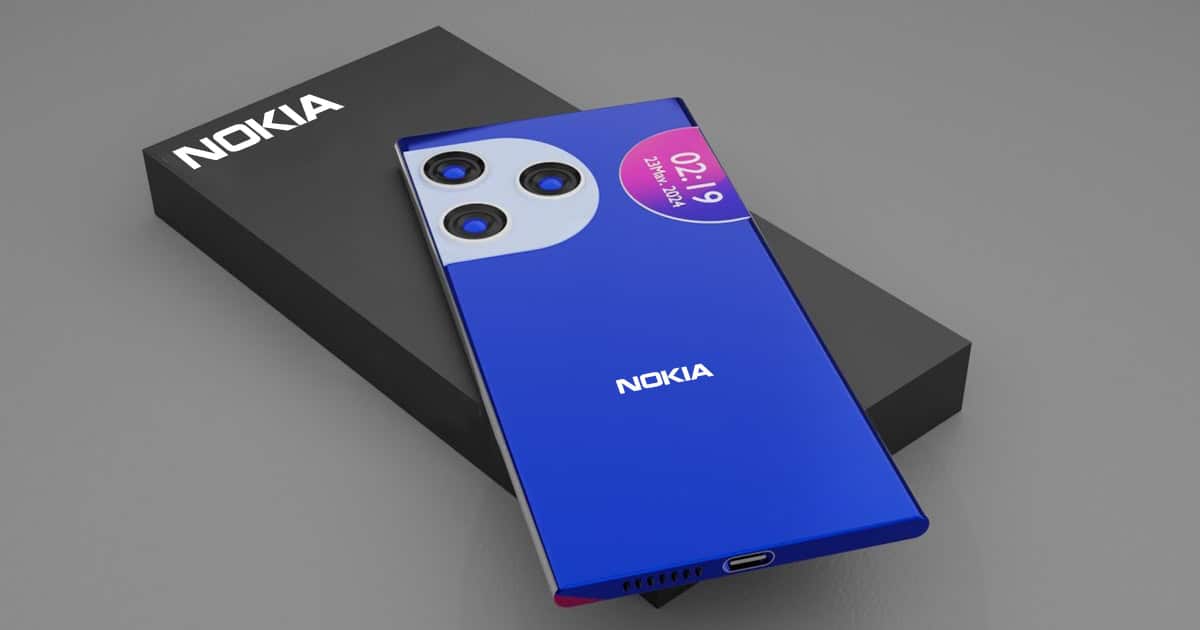

Nokia Ace Max vs. Motorola Edge 60 Pro: 200MP Cameras, 7500mAh Battery!
Nokia Ace Max vs. Motorola Edge 60 Pro kicks off with premium designs, fast chipsets, and powerful cameras. Which phone leads?
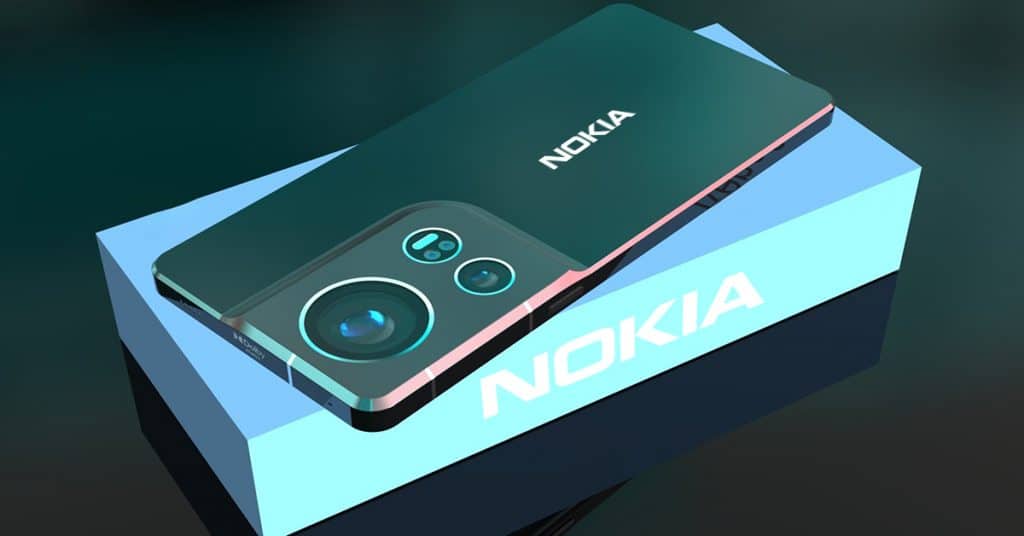
Nokia Ace Max vs. Motorola Edge 60 Pro specs
The Nokia Ace Max specs come with a 6.9-inch Super AMOLED screen featuring 4K resolution and a 120Hz refresh rate. Meanwhile, the Motorola Edge 60 Pro specs include a 6.7-inch pOLED display with 1220 × 2712 pixels resolution and 144Hz refresh rate. Both models deliver vibrant visuals, though Motorola offers smoother screen performance.
Moving to performance, Nokia Ace Max uses the Snapdragon 8 Gen 3 processor, while Motorola Edge 60 Pro runs on Snapdragon 7 Gen 3. Both smartphones operate on Android 15 for seamless multitasking and faster user experience. For memory, Nokia offers up to 16GB RAM with 256GB or 512GB storage options. In contrast, Motorola provides 12GB RAM and 256GB or 512GB storage without microSD expansion.

When comparing cameras, Nokia Ace Max cameras include a 200MP main sensor, a 50MP ultrawide lens, and a 16MP telephoto sensor. On the front, Nokia features a 64MP selfie shooter for ultra-clear photos. Meanwhile, Motorola Edge 60 Pro cameras offer a 50MP main camera, a 13MP ultrawide lens, and a 2MP depth sensor. Its front camera houses a 50MP wide lens. Nokia takes the edge in rear camera resolution, while Motorola impresses with its selfie hardware. For battery life, Nokia Ace Max equips a large 7500mAh battery, supporting 120W fast charging. On the other hand, Motorola Edge 60 Pro uses a 4600mAh battery with 125W wired charging and 50W wireless charging support.
Nokia Ace Max vs. Motorola Edge 60 Pro release date and price
Nokia Ace Max release date is expected in late 2025, targeting premium smartphone users. Meanwhile, Motorola Edge 60 Pro release date happened in April 2024. The Nokia Ace Max price starts at $999 ~ Rs. 83,499, matching its flagship specs. Meanwhile, Motorola Edge 60 Pro price begins around $499 ~ Rs. 41,499, offering great value for performance.
You May Like
-
Sony Xperia Ultra Max Pro Specs: 200MP Cameras, 19100mAh Battery!
-
-
Nokia Joker 2026 Specs: 200MP Cameras, 9800mAh Battery!
-
Nokia Horizon 2026 Specs: 200MP Cameras, 12800mAh Battery!
-
Nokia Titan 2026 Specs: 16GB RAM, 9700mAh Battery!
-
Redmi Note 15 Series Goes Global With 200MP Cameras, 6580mAh Battery, Price!
Nokia Royal Max vs. vivo T4X: 16GB RAM, 200MP Cameras!
The battle begins between Nokia Royal Max vs. vivo T4X, both offering sleek designs, strong performance, and reliable battery life. Let’s compare.
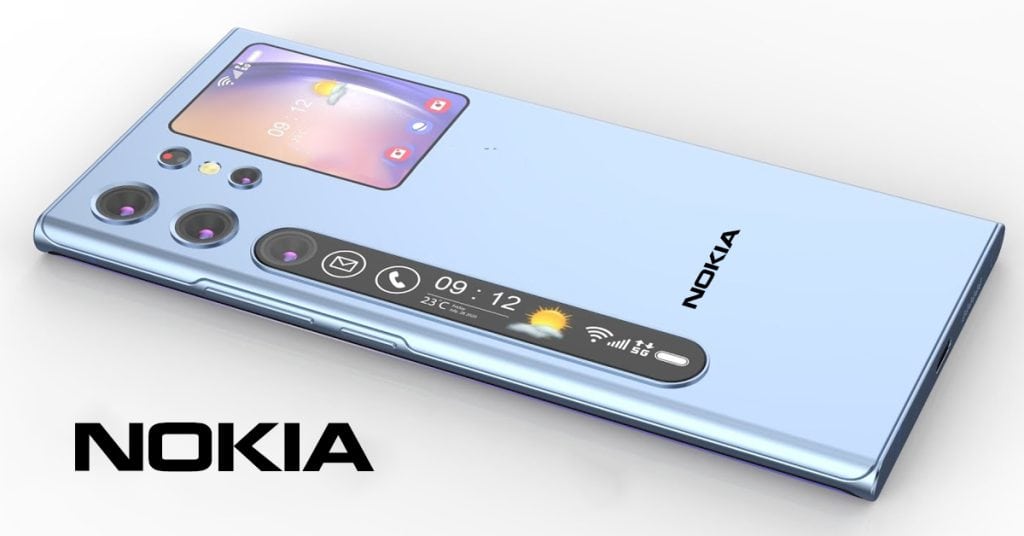
Nokia Royal Max vs. vivo T4X specs
The Nokia Royal Max specs come with a 6.92-inch Super AMOLED display featuring 1080 × 2400 pixels resolution and a 120Hz refresh rate. In contrast, the vivo T4X specs include a 6.72-inch IPS LCD screen with 1080 × 2400 pixels resolution and a 120Hz refresh rate. Both screens ensure smooth visuals, though Nokia’s AMOLED offers richer color depth and contrast.
Moving to performance, Nokia Royal Max runs on the Snapdragon 8 Gen 3 processor, while vivo T4X uses the Dimensity 7020 chipset. Additionally, both devices operate on Android 15, delivering smooth multitasking and gaming experiences. Nokia Royal Max offers 12GB or 16GB RAM and 256GB or 512GB storage, expandable up to 1TB via microSD.
In comparison, vivo T4X provides 8GB or 12GB RAM with 128GB or 256GB internal storage, without expansion support. Now to photography, the Nokia Royal Max cameras include a 200MP main lens, a 64MP ultrawide sensor, and a 2MP depth sensor. On the front, it houses a 16MP camera for selfies and video calls. Meanwhile, the vivo T4X cameras feature a dual setup with a 50MP main lens and a 2MP depth sensor. Its front camera includes an 8MP sensor for basic photo and video needs. Nokia clearly leads with superior camera resolution and flexibility. For power, Nokia Royal Max packs a massive 7600mAh battery supported by fast charging for extended use. On the other hand, vivo T4X carries a 6000mAh battery with 44W fast charging, offering solid battery life in a mid-range segment.
Nokia Royal Max vs. vivo T4X release date and price
Nokia Royal Max release date is expected in Q4 2025 for flagship users. Meanwhile, vivo T4X release date occurred in April 2025. As for pricing, the Nokia Royal Max price starts at $999 ~ Rs. 83,499. In contrast, the vivo T4X price begins at $179 ~ Rs. 14,999, appealing to budget-conscious users.
You May Like
-
Sony Xperia Ultra Max Pro Specs: 200MP Cameras, 19100mAh Battery!
-
-
Nokia Joker 2026 Specs: 200MP Cameras, 9800mAh Battery!
-
Nokia Horizon 2026 Specs: 200MP Cameras, 12800mAh Battery!
-
Nokia Titan 2026 Specs: 16GB RAM, 9700mAh Battery!
-
Redmi Note 15 Series Goes Global With 200MP Cameras, 6580mAh Battery, Price!
Nokia Energy vs. Infinix GT 30 Pro: 200MP Cameras, 8550mAh Battery!
It’s time to compare Nokia Energy vs. Infinix GT 30 Pro, both offering standout specs, powerful cameras, and next-gen Android 15 support.

Nokia Energy vs. Infinix GT 30 Pro specs
The Nokia Energy specs feature a 7.6-inch Super AMOLED display with 4K resolution and a smooth 120Hz refresh rate. Meanwhile, the Infinix GT 30 Pro specs include a 6.78-inch AMOLED screen with a 1080 × 2436 pixels resolution and 144Hz refresh rate. Although Infinix has a faster refresh rate, Nokia offers a more immersive and sharper viewing experience.
Under the hood, Nokia Energy uses the Snapdragon 8 Gen 3 chipset, delivering flagship-level performance for gaming and multitasking. In comparison, the Infinix GT 30 Pro runs on the MediaTek Dimensity 8200 Ultimate processor, optimized for efficiency and mid-range power. Both phones operate on Android 15, providing the latest features and performance optimizations.
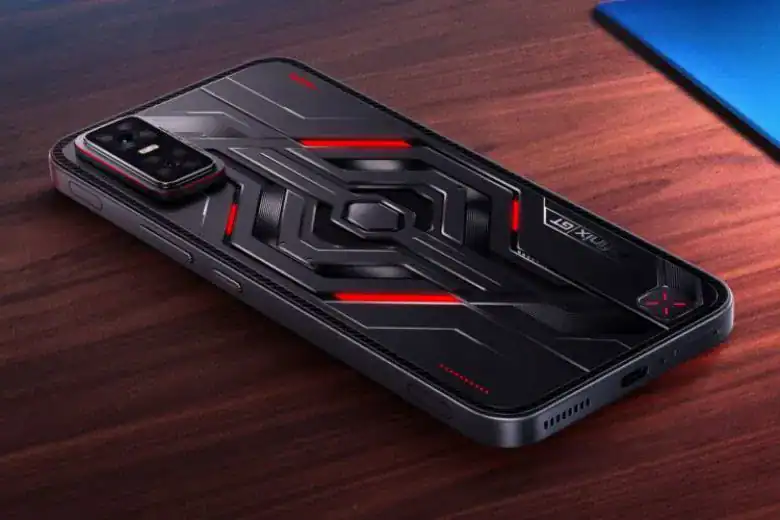
Nokia Energy includes 12GB or 16GB RAM paired with storage options of 256GB, 512GB, or 1TB without microSD support. On the other hand, Infinix GT 30 Pro offers 8GB or 12GB RAM and 256GB storage, also without expandable memory. In terms of memory configuration, Nokia takes the advantage with higher RAM and more storage options. Looking at cameras, Nokia Energy cameras consist of a 200MP main sensor, 64MP periscope telephoto, 32MP ultrawide, and 16MP macro lens. For selfies, it sports a 44MP front-facing camera with clear detail for video calls. The Infinix GT 30 Pro cameras include a 108MP main sensor, a 2MP macro lens, and an AI lens, along with a 32MP selfie shooter. Nokia clearly leads with a more versatile and high-resolution setup. Battery life is crucial for heavy users. Nokia Energy houses an 8550mAh battery with 120W wired charging support. Infinix GT 30 Pro comes with a 5000mAh battery and 100W fast charging. While both charge quickly, Nokia ensures longer usage with its massive cell.
Nokia Energy vs. Infinix GT 30 Pro release date and price
The Nokia Energy release date is expected in Q4 2025 for flagship users. Meanwhile, the Infinix GT 30 Pro release date was in May 2024. The Nokia Energy price starts at $999 ~ Rs. 83,499, while the Infinix GT 30 Pro price begins at $259 ~ Rs. 21,699, offering solid value for money.
You May Like
-
Sony Xperia Ultra Max Pro Specs: 200MP Cameras, 19100mAh Battery!
-
-
Nokia Joker 2026 Specs: 200MP Cameras, 9800mAh Battery!
-
Nokia Horizon 2026 Specs: 200MP Cameras, 12800mAh Battery!
-
Nokia Titan 2026 Specs: 16GB RAM, 9700mAh Battery!
-
Redmi Note 15 Series Goes Global With 200MP Cameras, 6580mAh Battery, Price!
Best Xiaomi Phones July 2025: 200MP Cameras, 5140mAh Battery!
The best Xiaomi Phones in July 2025 is here with 200MP Cameras and a 5410 battery, attracting a great amount of user. Let’s discover detail below!

1. Xiaomi Redmi Note 14 5G
The Redmi Note 14 5G specs include a 6.67″ OLED display with 120 Hz refresh and a sharp 1.5K resolution, built on an eye-care panel. It runs on a MediaTek Dimensity 7300-Ultra chipset paired with 8 GB RAM and 128/256 GB UFS 2.2 storage. The camera system features a 108 MP primary sensor and 8 MP ultrawide lens, with a 20 MP front camera.
A 5,110 mAh battery supports 45 W wired charging. It also delivers IP64 splash resistance, Gorilla Glass Victus 2 protection, and stereo speakers. The Redmi Note 14 5G price starts at approximately $329 ~ Rs. 25,600 .

2. Xiaomi Redmi Note 14 Pro+ 5G
The Redmi Note 14 Pro+ 5G specs include the Snapdragon 7s Gen 3 chipset, paired with 12 GB RAM and 512 GB storage. Its 6.67″ curved AMOLED display offers 1.5K resolution, 120 Hz refresh, and eye-care protection, all under Gorilla Glass Victus 2. The camera system integrates a 200 MP main sensor with OIS for crisp image and 4K video capture. It also includes an 8 MP ultrawide lens and a 20 MP selfie camera. A 5,110 mAh battery supports 120 W HyperCharge, refilling from zero to full in under 30 minutes . IP68 water and dust resistance round out its durability. The Redmi Note 14 Pro+ 5G price is about $499 ~ Rs. 38,800.
3. Xiaomi Redmi 13 5G
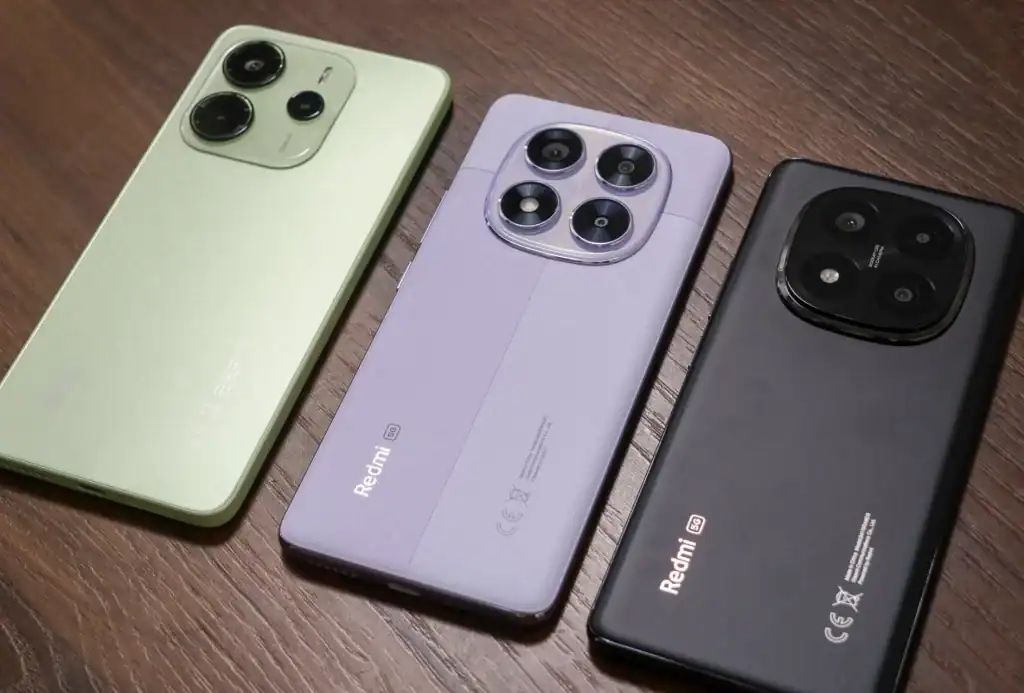
The Redmi 13 5G specs feature a 6.5″ Full HD+ IPS display with a 90 Hz refresh rate. It uses the Snapdragon 4 Gen 2 chipset, with 6 GB RAM and 128 GB storage. A 5,000 mAh battery supports 18 W wired charging. The camera system includes a 50 MP main sensor and a 2 MP depth sensor, plus an 8 MP selfie camera. It also offers stereo speakers, rear-mounted fingerprint, and Android 14. The Redmi 13 5G price starts around $199 ~ Rs. 15,500.
4. Xiaomi 14 Civi
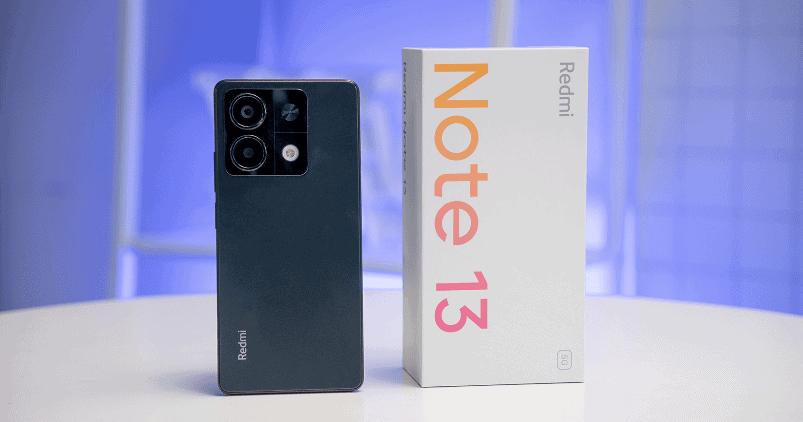
The Xiaomi 14 Civi specs include a 6.55″ curved AMOLED display with FHD+ resolution, 120 Hz refresh rate, and Gorilla Glass Victus 2 protection . It runs on Snapdragon 8s Gen 3 with 8–12 GB RAM and 256–512 GB UFS 4.0 storage . The camera system features triple rear lenses: 50 MP main, 12 MP ultrawide, 50 MP telephoto, plus dual 32 MP selfie cameras—a rare, premium setup . A 4,700 mAh battery supports 67 W charging, while Snapdragon 8s Gen 3 ensures smooth performance. Features include stereo speakers, NFC, under-display fingerprint, and Android 14. The Xiaomi 14 Civi price sits at $529 ~ Rs. 40,400.

5. Xiaomi 15 Ultra
The Xiaomi 15 Ultra specs deliver a 6.73″ WQHD+ LTPO AMOLED display with 120 Hz refresh rate, Dolby Vision, HDR10+, and Gorilla Shield Glass 2.0 protection. It runs on Snapdragon 8 Gen 4 with 16 GB RAM and up to 1 TB UFS 4.0 storage. The camera system integrates a Leica-engineered quad-lens setup: a 50 MP 1″ main sensor, a 50 MP ultrawide, a 50 MP telephoto (3× OIS), and a 50 MP periscope (5× OIS), plus a 32 MP front-facing camera. A 5,410 mAh battery supports 90 W wired and 50 W wireless charging. Extras include IP68 certification, stereo speakers, NFC, and HyperOS on Android 15. The Xiaomi 15 Ultra price starts at $1,099 ~ Rs. 85,600.

Best Xiaomi Phones July 2025
Xiaomi’s July 2025 lineup balances midrange value and premium performance. If you want top-tier photography, the Xiaomi 15 Ultra offers an unmatched Leica experience. For those seeking the best overall value, the Redmi Note 14 Pro+ 5G delivers flagship-level camera performance and ultra-fast charging at a midrange price.
You May Like
-
Sony Xperia Ultra Max Pro Specs: 200MP Cameras, 19100mAh Battery!
-
-
Nokia Joker 2026 Specs: 200MP Cameras, 9800mAh Battery!
-
Nokia Horizon 2026 Specs: 200MP Cameras, 12800mAh Battery!
-
Nokia Titan 2026 Specs: 16GB RAM, 9700mAh Battery!
-
Redmi Note 15 Series Goes Global With 200MP Cameras, 6580mAh Battery, Price!
Nokia Beam Mini vs. Realme P3 Ultra: 200MP Cameras, 8100mAh Battery!
Get ready for an exciting comparison between Nokia Beam Mini vs. realme P3 Ultra, both offering solid specs at competitive prices.

Nokia Beam Mini vs. realme P3 Ultra specs
Nokia Beam Mini specs coming with the screen features include a 6.7-inch Super AMOLED panel with 4K resolution and 120Hz refresh rate. Meanwhile, realme P3 Ultra specs coming with the screen features pack a 6.78-inch IPS LCD with 1080 x 2460 pixels resolution and a 120Hz refresh rate. Although realme has a slightly larger size, Nokia delivers sharper resolution and more vibrant colors for media consumption.
Under the hood, Nokia Beam Mini uses the Snapdragon 8 Gen 3 chipset, ensuring powerful performance for apps and games. In contrast, realme P3 Ultra relies on the Dimensity 7200 processor, suitable for casual users but less efficient. Nokia Beam Mini includes 12GB/16GB RAM and 256GB/512GB internal storage, expandable up to 1TB. On the other side, realme P3 Ultra features 6GB RAM with 256GB storage, expandable only to 256GB. Nokia again takes the lead with more RAM and better storage options.

Both smartphones run Android 15 for the latest security updates and smooth interface features. For photography lovers, Nokia Beam Mini cameras include a 200MP primary lens, 50MP telephoto, 12MP ultrawide, and 8MP depth sensor. It also has a sharp 64MP front camera for selfies. On the other hand, realme P3 Ultra cameras feature a dual 50MP + 50MP rear system and a 32MP front lens. While realme offers good camera specs, Nokia leads with its versatile quad setup and higher resolutions. As for battery life, Nokia Beam Mini carries a large 8100mAh battery for extended use. Meanwhile, realme P3 Ultra includes a smaller 5450mAh battery with fast charging. Clearly, Nokia dominates with better endurance and capacity.
Nokia Beam Mini vs. realme P3 Ultra release date and price
The Nokia Beam Mini release date may arrive later in 2025. Meanwhile, the realme P3 Ultra release date occurred in May 2024. For pricing, the Nokia Beam Mini price starts at $999 ~ Rs. 83,499, while the realme P3 Ultra price begins at $133 ~ Rs. 11,055.
You May Like
-
Sony Xperia Ultra Max Pro Specs: 200MP Cameras, 19100mAh Battery!
-
-
Nokia Joker 2026 Specs: 200MP Cameras, 9800mAh Battery!
-
Nokia Horizon 2026 Specs: 200MP Cameras, 12800mAh Battery!
-
Nokia Titan 2026 Specs: 16GB RAM, 9700mAh Battery!
-
Redmi Note 15 Series Goes Global With 200MP Cameras, 6580mAh Battery, Price!
Samsung Galaxy M55 vs. Vivo X200 Pro Mini: 16GB RAM, 50MP Cameras!
Don’t ignore the battle between two beasts Samsung Galaxy M55 vs. Vivo X200 Pro Mini with 16GB RAM and 50MP cameras. Catch the topic below!
Samsung Galaxy M55 vs. Vivo X200 Pro Mini specs
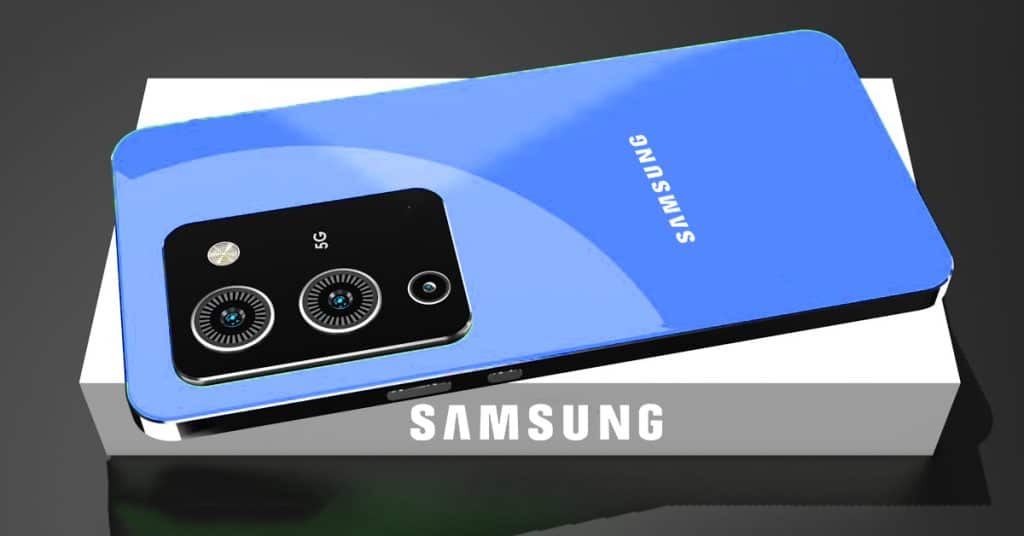
The Chinese brand is about to launch Samsung Galaxy M55 with fantastic specs and massive storage. Meanwhile, the Vivo X200 Pro Mini comes with a unique design and long battery life. In detail, the Samsung flagship uses the Qualcomm Snapdragon 8 Gen 2 SoC. Besides, the Vivo handset drives the Unisoc T606 chipset as the processor. With more robust hardware, the Samsung smartphone comes first in this round.
On the side, the Samsung flagship sports 8GB/ 12GB/ 16GB of RAM and 128GB/ 256GB/ 512GB of inbuilt storage (expandable up to 512GB via a MicroSD card). Moreover, the Vivo device has 128GB/ 8GB RAM, 256GB/ 4GB RAM, and 256GB/ 8GB RAM. So, the Samsung handset defeats the Vivo phone with larger RAM. Besides, the Samsung Galaxy M55 specs flaunt a 6.9-inch Super AMOLED with 2560 x 3690 pixels.

Under the hood, two beasts run on Android 15 as the operating system. Additionally, Vivo X200 Pro Mini specs offer a 6.6-inch IPS LCD with a 1080 x 2408 pixels resolution. With higher resolutions, the Samsung monster wins this round. For an optics department, the Samsung Galaxy M55 cameras rock 50MP primary lens + 16MP ultra-wide shooter + 5MP depth lens with a LED flash on the back and has a single 50MP lens for taking selfies. In contrast, the Vivo X200 Pro Mini cameras feature 50MP + 2MP + 2MP sensors on the rear setup. Meanwhile, there is a single 8MP front-facing shooter. Hence, thanks to the higher camera resolutions, the Samsung handset wins this time. Battery-wise, the Samsung handset houses a 6000mAh energy box while the other figure displays a smaller 5000mAh. Consequently, the Samsung flagship wins the last round.
Samsung Galaxy M55 vs. Vivo X200 Pro Mini release date and price
Samsung Galaxy M55 becomes a winner in this match with excellent specs. In addition, the Samsung Galaxy M55 release date should fall early next year, and its price is around $259 ~ Rs. 20,432. Also, the Vivo X200 Pro Mini price starts at $130 ~ Rs. 10,858 and may be released in August. So, do you prefer the Samsung Galaxy M55 or Vivo X200 Pro Mini? Let us know!
You May Like
-
Sony Xperia Ultra Max Pro Specs: 200MP Cameras, 19100mAh Battery!
-
-
Nokia Joker 2026 Specs: 200MP Cameras, 9800mAh Battery!
-
Nokia Horizon 2026 Specs: 200MP Cameras, 12800mAh Battery!
-
Nokia Titan 2026 Specs: 16GB RAM, 9700mAh Battery!
-
Redmi Note 15 Series Goes Global With 200MP Cameras, 6580mAh Battery, Price!
Samsung Galaxy S24 FE vs. Oppo K13: 12GB RAM, 50MP Cameras!
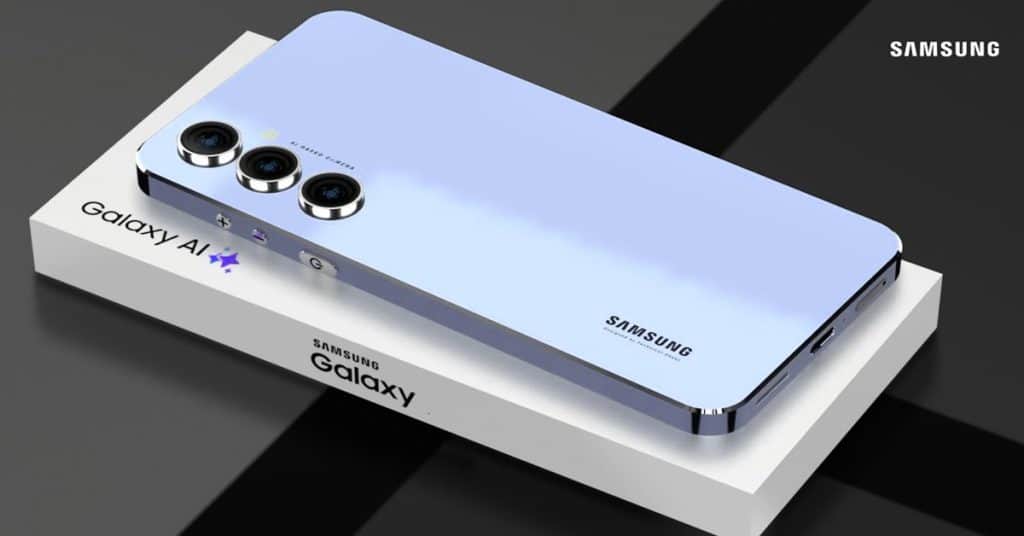
Explore the face-off between Samsung Galaxy S24 FE vs Oppo K13, both featuring modern designs, powerful hardware, and great camera systems.
Samsung Galaxy S24 FE vs Oppo K13 specs
The Samsung Galaxy S24 FE specs coming with the screen features include a 6.5-inch AMOLED display, 1080 x 2340 pixels resolution, and 120Hz refresh rate. Meanwhile, the Oppo K13 specs coming with the screen features offer a 6.67-inch OLED panel, 1080 x 2400 pixels resolution, and a 120Hz refresh rate. Though both displays are smooth, Oppo’s slightly larger size enhances visual immersion for streaming and gaming.
Under the hood, the Samsung Galaxy S24 FE uses either the Exynos 2400 or Snapdragon 8 Gen 3 processor based on the market. In contrast, the Oppo K13 relies on the Snapdragon 695 chipset, which delivers decent but slower performance than Samsung’s flagship chipsets. Both devices operate on Android 15, promising smoother experiences and newer features.

In terms of memory, Samsung offers 8GB or 12GB RAM with internal storage options of 128GB, 256GB, or 512GB. Also, it includes microSD support expandable up to 1TB. On the other hand, the Oppo K13 comes in 8GB RAM versions paired with either 256GB or 512GB storage, but lacks card expansion. Samsung takes the lead with greater RAM flexibility and expandable memory. For cameras, the Samsung Galaxy S24 FE cameras pack a triple setup: 50MP main sensor, 8MP telephoto, and 12MP ultrawide shooter. It also features a 10MP front lens for selfies. Meanwhile, the Oppo K13 cameras include a dual 50MP primary sensor and a 2MP depth sensor with a 16MP selfie snapper. Samsung wins this round with its more versatile triple-camera configuration. Battery-wise, both models include a 5000mAh capacity. However, Oppo supports 67W fast charging, whereas Samsung charges at 25W. Although Samsung provides reliability, Oppo ensures faster top-ups.
Samsung Galaxy S24 FE vs Oppo K13 release date and price
The Samsung Galaxy S24 FE release date happened in early 2025. Similarly, the Oppo K13 release date took place in the same quarter. The Samsung Galaxy S24 FE price begins at $999 ~ Rs. 83,499, while the Oppo K13 price starts at $289 ~ Rs. 24,200.
You May Like
-
Sony Xperia Ultra Max Pro Specs: 200MP Cameras, 19100mAh Battery!
-
-
Nokia Joker 2026 Specs: 200MP Cameras, 9800mAh Battery!
-
Nokia Horizon 2026 Specs: 200MP Cameras, 12800mAh Battery!
-
Nokia Titan 2026 Specs: 16GB RAM, 9700mAh Battery!
-
Redmi Note 15 Series Goes Global With 200MP Cameras, 6580mAh Battery, Price!
Nokia Edge vs. Vivo T4 Ultra: 200MP Cameras, 10900mAh Battery!
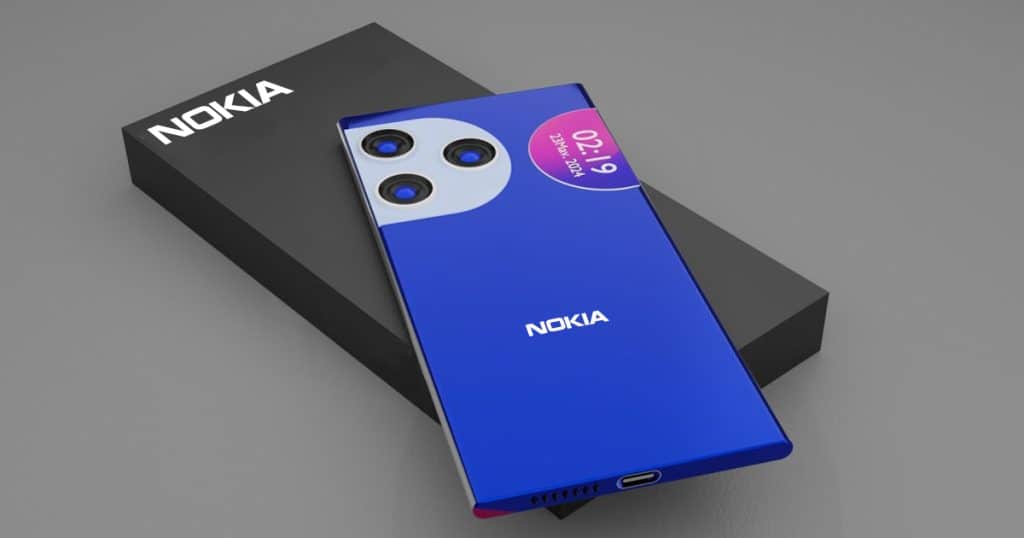
The clash begins between Nokia Edge vs. Vivo T4 Ultra, both bringing flagship hardware, vibrant screens, and impressive cameras. Let’s compare them.
Nokia Edge vs. Vivo T4 Ultra specs
The Nokia Edge specs come with a 6.9-inch Super AMOLED screen featuring a 1400 × 2168 resolution and a 120Hz refresh rate. Meanwhile, the Vivo T4 Ultra specs include a 6.78-inch AMOLED display with 1260 × 2800 pixels resolution and a smoother 144Hz refresh rate. Although Nokia has a larger screen, Vivo offers better sharpness and refresh rate.
For performance, Nokia Edge runs on the Snapdragon 8 Gen 3 chipset combined with Android 15 for smooth processing and multitasking. On the other hand, Vivo T4 Ultra also uses the Snapdragon 8 Gen 3 chip and operates on Android 15, ensuring equal performance power. As for memory, Nokia Edge offers 10GB, 12GB, or 16GB of RAM and internal storage options of 256GB or 512GB, expandable to 1TB.

Vivo T4 Ultra arrives with 12GB or 16GB of RAM and storage configurations of 256GB, 512GB, or 1TB, but lacks a microSD card slot. While both offer similar specs, Nokia wins with storage expansion flexibility. Let’s move to photography. The Nokia Edge cameras consist of a 200MP primary sensor, 50MP ultra-wide, 8MP macro, and 8MP depth lens. On the front, it supports a 64MP selfie camera. In comparison, the Vivo T4 Ultra cameras include a 50MP main sensor, 50MP ultrawide, and 2MP depth shooter. For selfies, Vivo features a 32MP front camera. Clearly, Nokia dominates this section with its higher resolution and versatile camera system. For battery life, Nokia Edge is powered by a large 10900mAh cell with fast charging support. Meanwhile, Vivo T4 Ultra carries a 5500mAh battery with 120W fast charging. Although Vivo charges quicker, Nokia lasts longer with its bigger capacity.
Nokia Edge vs. Vivo T4 Ultra release date and price
The Nokia Edge release date is expected in March 2024, while the Vivo T4 Ultra release date occurred in May 2024. Regarding cost, the Nokia Edge price starts at $999 ~ Rs. 83,499. Meanwhile, the Vivo T4 Ultra price begins at $529 ~ Rs. 44,099.
You May Like
-
Sony Xperia Ultra Max Pro Specs: 200MP Cameras, 19100mAh Battery!
-
-
Nokia Joker 2026 Specs: 200MP Cameras, 9800mAh Battery!
-
Nokia Horizon 2026 Specs: 200MP Cameras, 12800mAh Battery!
-
Nokia Titan 2026 Specs: 16GB RAM, 9700mAh Battery!
-
Redmi Note 15 Series Goes Global With 200MP Cameras, 6580mAh Battery, Price!
Nokia Vitech vs. iQOO Neo 10: 200MP Cameras, 7500mAh Battery!
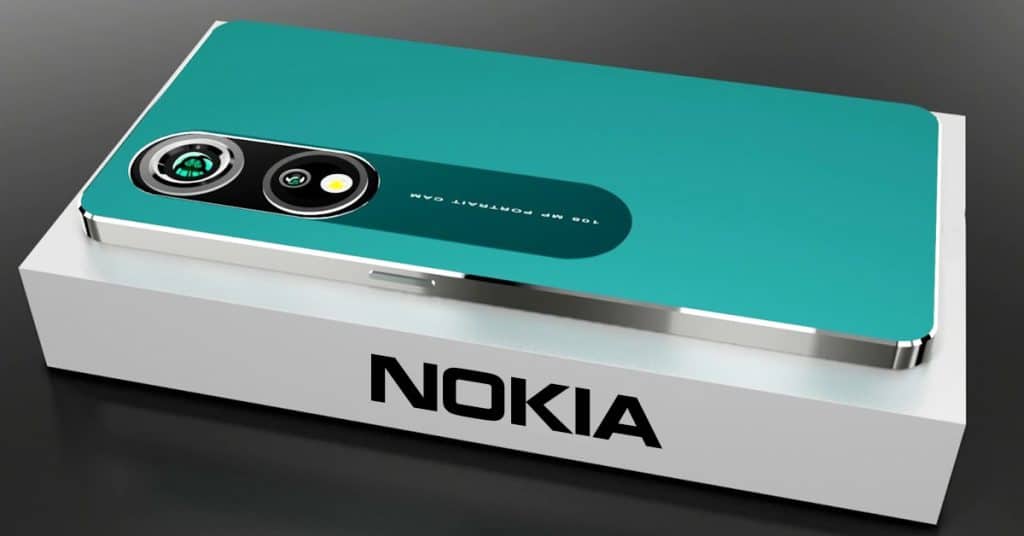
The showdown between Nokia Vitech vs. iQOO Neo 10 begins with premium features, massive batteries, and sharp cameras. Let’s explore the specs.
Nokia Vitech vs. iQOO Neo 10 specs
The Nokia Vitech specs come with a 6.6-inch Super AMOLED display featuring 2990 × 3690 pixels resolution and 120Hz refresh rate. Meanwhile, the iQOO Neo 10 specs include a 6.78-inch AMOLED screen with 1260 × 2800 pixels resolution and a 144Hz refresh rate. Both offer smooth visuals, but iQOO leads slightly with a faster refresh rate.
Under the hood, Nokia Vitech runs on the Snapdragon 8 Gen 3 chipset paired with Android 15 for smooth performance and optimization. Meanwhile, iQOO Neo 10 also uses Snapdragon 8 Gen 2 and runs Android 15 with OriginOS enhancements. Nokia offers 8GB or 12GB RAM with 256GB or 512GB internal storage, expandable up to 1TB via microSD.

On the other hand, iQOO Neo 10 provides up to 16GB RAM and 1TB internal storage without a card slot. Now turning to photography, the Nokia Vitech cameras include a 200MP main sensor, 50MP secondary, 32MP ultrawide, and 2MP depth lens. For selfies, it supports a 32MP front camera. In contrast, the iQOO Neo 10 cameras feature a 50MP Sony IMX920 main sensor and a 2MP depth shooter. It comes with a 16MP front-facing lens for video and selfies. Nokia clearly takes the lead with its higher resolution camera system. In terms of battery, Nokia Vitech houses a huge 7500mAh cell with fast charging support, designed for long usage. Meanwhile, iQOO Neo 10 includes a 5160mAh battery with 120W fast charging support for quicker refills.
Nokia Vitech vs. iQOO Neo 10 release date and price
The Nokia Vitech release date is expected in late 2024, while the iQOO Neo 10 release date happened in May 2024. As for cost, the Nokia Vitech price starts at $999 ~ Rs. 83,499, targeting flagship users. In contrast, the iQOO Neo 10 price begins around $459 ~ Rs. 38,299, making it a value-driven premium option.
You May Like
-
Sony Xperia Ultra Max Pro Specs: 200MP Cameras, 19100mAh Battery!
-
-
Nokia Joker 2026 Specs: 200MP Cameras, 9800mAh Battery!
-
Nokia Horizon 2026 Specs: 200MP Cameras, 12800mAh Battery!
-
Nokia Titan 2026 Specs: 16GB RAM, 9700mAh Battery!
-
Redmi Note 15 Series Goes Global With 200MP Cameras, 6580mAh Battery, Price!
Nokia King Pro Max 2025 Specs: 18GB RAM, 200MP Cameras!
Explore the powerful Nokia King Pro Max 2025, packed with 18GB RAM and 200MP cameras. Let’s take a closer look at the Nokia King Pro Max 2025 specs!
Nokia King Pro Max 2025 specs
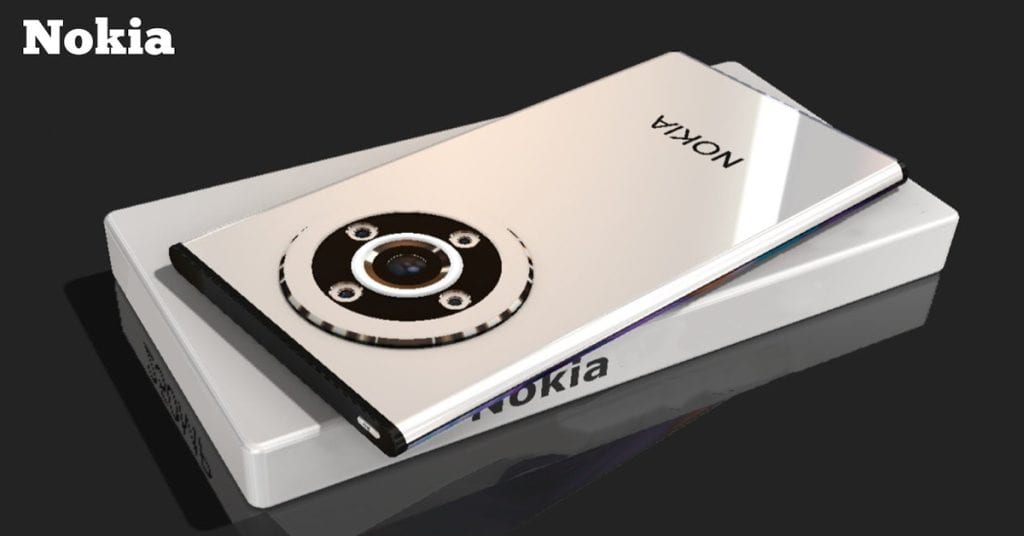
HMD Global is preparing to launch another standout device in its flagship lineup. The Nokia King Pro Max 2025 aims to combine elegant design, elite performance, and long-lasting battery life into a single powerful handset. Starting with the display, the Nokia King Pro Max 2025 specs coming with the screen features a 6.9-inch LTPO AMOLED display.
It delivers a stunning 4K resolution and supports a 144Hz refresh rate for an ultra-smooth user experience. To enhance durability, the screen is protected by Corning Gorilla Glass Victus 2. Under the hood, this Nokia beast runs on Android 15 and gets its power from the latest Qualcomm Snapdragon 8 Gen 3 processor.

Performance remains fluid across gaming, streaming, and multitasking thanks to configurations offering 12GB, 16GB, or up to 18GB of RAM. Storage options include 256GB, 512GB, and even 1TB, expandable up to an additional 1TB via microSD. Let’s talk about the imaging system. The Nokia King Pro Max 2025 cameras feature a quad-lens setup on the rear. It consists of a 200MP main sensor, a 64MP periscope telephoto lens, a 50MP ultra-wide snapper, and a 12MP macro shooter. On the front, there’s a high-resolution 60MP camera perfect for selfies and video calls. Night mode, 8K video, and OIS ensure top-tier photography capabilities. Fueling this smartphone is a massive 15,000mAh battery that supports 120W wired charging and 50W wireless charging. Connectivity options include 5G, Wi-Fi 7, Bluetooth 5.3, USB-C, and NFC.
Nokia King Pro Max 2025 release date and price
The Nokia King Pro Max 2025 release date should arrive in early 2025, though exact details remain under wraps. As for cost, the Nokia King Pro Max 2025 price is expected to be $499 ~ Rs. 43,499. Will this be your next dream phone? Let us know your thoughts below!
You May Like
-
Sony Xperia Ultra Max Pro Specs: 200MP Cameras, 19100mAh Battery!
-
-
Nokia Joker 2026 Specs: 200MP Cameras, 9800mAh Battery!
-
Nokia Horizon 2026 Specs: 200MP Cameras, 12800mAh Battery!
-
Nokia Titan 2026 Specs: 16GB RAM, 9700mAh Battery!
-
Redmi Note 15 Series Goes Global With 200MP Cameras, 6580mAh Battery, Price!
Nokia Joker Max vs. OPPO Reno 14: 16GB RAM, 200MP Cameras!
Get ready for a fierce battle between Nokia Joker Max vs. OPPO Reno 14, both packing powerful chipsets and eye-catching camera systems.
Nokia Joker Max vs. OPPO Reno 14 specs
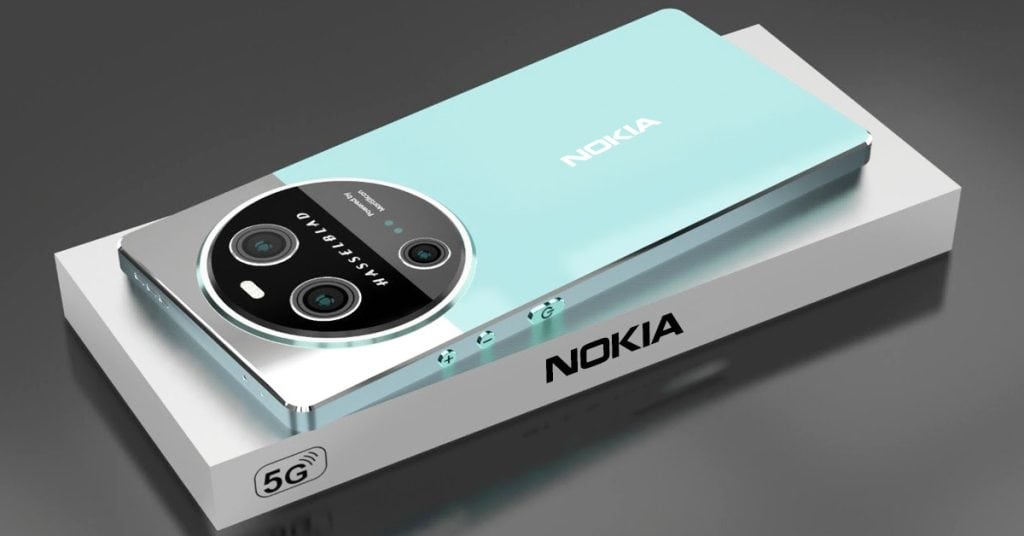
Nokia Joker Max specs coming with the screen features include a 6.92-inch Super AMOLED panel, 120Hz refresh rate, and 1080 x 2400 resolution. Meanwhile, OPPO Reno 14 specs coming with the screen features present a 6.7-inch AMOLED display, also at 120Hz, but slightly different 1080 x 2412 resolution. Both phones deliver sharp visuals, though Nokia offers a more immersive viewing experience thanks to its larger screen size.
In terms of performance, Nokia Joker Max runs the Snapdragon 8 Gen 3 chipset, offering flagship-level speed and multitasking support. On the other hand, OPPO Reno 14 features the Snapdragon 7 Gen 3 chipset, which handles daily tasks efficiently but lags behind in performance. As for memory, Nokia Joker Max includes 12GB/16GB RAM and 256GB/512GB storage, expandable via microSD up to 1TB. OPPO Reno 14 offers 8GB/12GB RAM with either 256GB or 512GB storage, but lacks expandable memory.
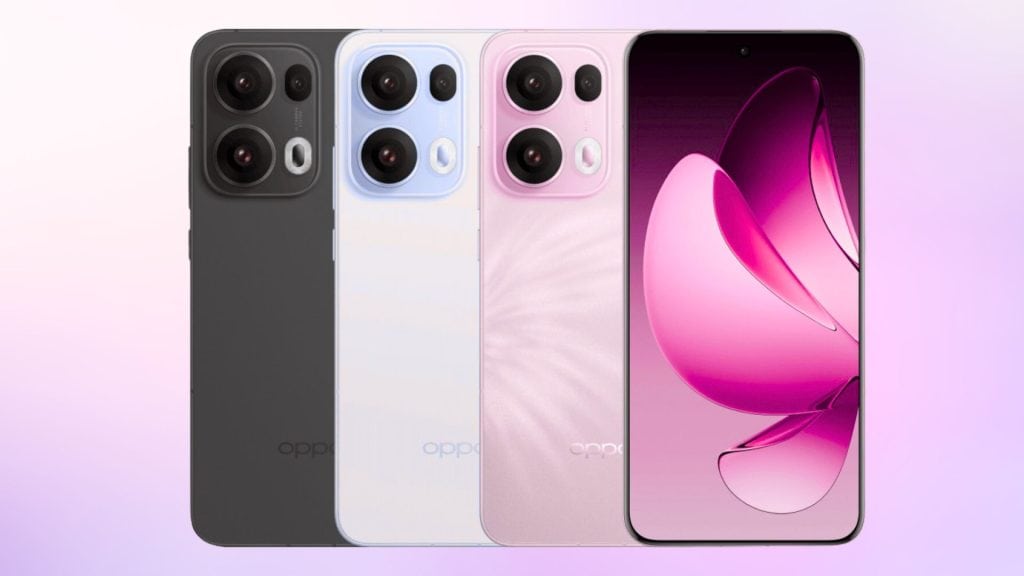
Now let’s focus on the cameras. Nokia Joker Max cameras feature a triple system: 200MP primary, 16MP ultrawide, and 8MP macro lens. Meanwhile, OPPO Reno 14 cameras include a dual 50MP main and 8MP ultrawide sensor, with a 32MP front shooter. Nokia leads in rear camera resolution, while OPPO offers a better front-facing camera for selfies and video calls. Nokia Joker Max runs Android 15 out of the box, ensuring the latest software experience. OPPO Reno 14 also runs Android 15 with ColorOS skin. Nokia includes a massive 14200mAh battery, perfect for power users who need extended usage. OPPO Reno 14, by contrast, packs a 5000mAh battery with 67W fast charging, ideal for quicker top-ups.
Nokia Joker Max vs. OPPO Reno 14 release date and price
The Nokia Joker Max release date is set for late 2025. The OPPO Reno 14 release date is expected in mid-2025. As for cost, Nokia Joker Max price starts at $299 ~ Rs. 23,499. OPPO Reno 14 price also begins at $399 ~ Rs. 37,499.
You May Like
-
Sony Xperia Ultra Max Pro Specs: 200MP Cameras, 19100mAh Battery!
-
-
Nokia Joker 2026 Specs: 200MP Cameras, 9800mAh Battery!
-
Nokia Horizon 2026 Specs: 200MP Cameras, 12800mAh Battery!
-
Nokia Titan 2026 Specs: 16GB RAM, 9700mAh Battery!
-
Redmi Note 15 Series Goes Global With 200MP Cameras, 6580mAh Battery, Price!


