Author: Chris Eilers
Nokia Zenjutsu Compact 2025 Specs: 150MP Cameras, 7200mAh Battery!
HMD Global is gearing up to launch a compact powerhouse — the Nokia Zenjutsu Compact 2025 — featuring a 150MP camera and a 7200mAh battery! Check out the Nokia Zenjutsu Compact 2025 Specs below!
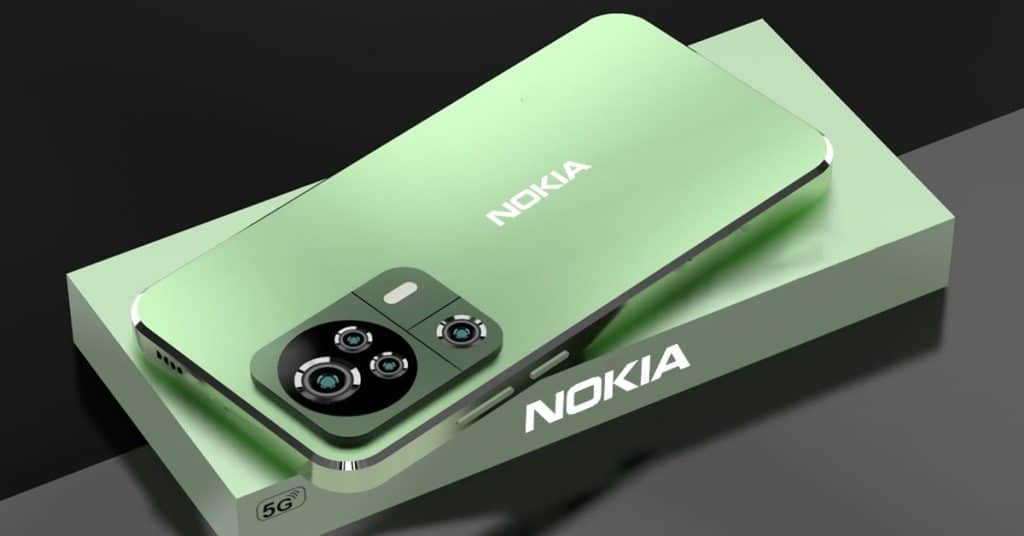
Nokia Zenjutsu Compact 2025 specs
HMD Global continues to expand its innovative smartphone lineup with exciting releases like the Nokia Zero and Nokia Swan. Now, the spotlight shifts to the sleek and performance-driven Nokia Zenjutsu Compact 2025. Despite its compact name, this phone packs flagship-grade power and style in a slim form factor. To begin with, the Nokia Zenjutsu Compact 2025 flaunts a 6.3-inch Super AMOLED display with Full HD+ resolution and a 120Hz refresh rate, ensuring smooth visuals and vibrant color accuracy.
Protected by Corning Gorilla Glass 7, the screen remains durable yet elegant. Under the hood, Nokia equips this device with the cutting-edge Qualcomm Snapdragon 8s Gen 3 chipset, optimized for efficiency and speed. Besides, it runs on the latest Android 14 OS, offering a clean and intuitive user experience. Additionally, the device supports 5G connectivity, Wi-Fi 6, Bluetooth 5.3, and NFC for seamless performance across all networks.
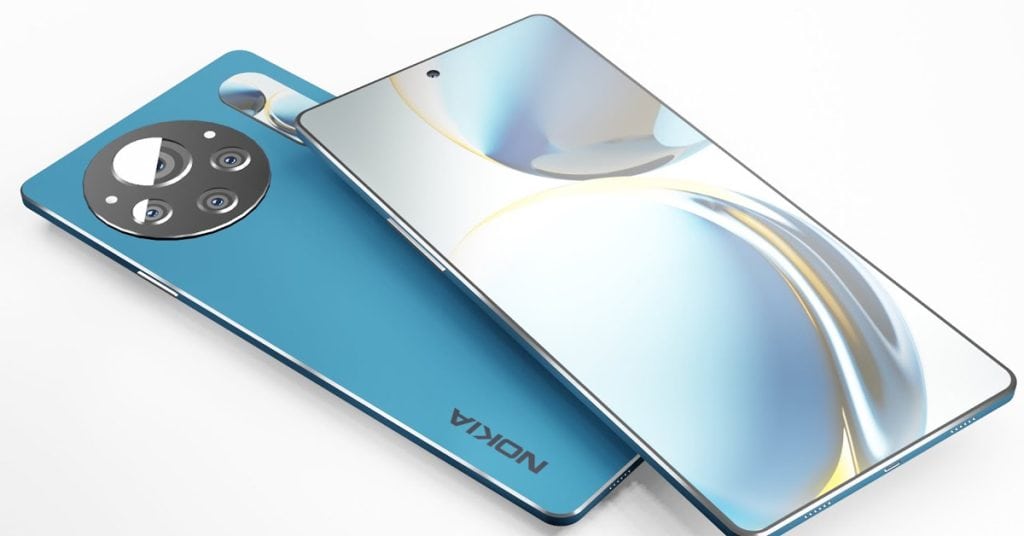
In terms of storage, the Nanomax Mini 2025 comes in three configurations: 12GB/16GB RAM and 256GB/512GB internal memory, expandable up to 1TB via a microSD card. This ensures smooth multitasking and ample room for apps, media, and games. Turning to the battery, this mini beast packs a 7200mAh cell, which supports 80W fast charging, allowing users to get back to full power in no time. Hence, it offers all-day usage on a single charge, even with heavy tasks. As for photography, the Nokia Zenjutsu Compact 2025 features a triple-lens setup: a powerful 150MP main sensor, a 32MP ultra-wide lens, and a 5MP depth sensor. On the front, a 50MP selfie camera captures stunning portraits and supports features like AI beautification, HDR, and 4K video recording. This device arrives in colors like Arctic Silver, Graphite Black, and Emerald Green — perfect for every style.
Nokia Zenjutsu Compact 2025 release date and price
The Nokia Zenjutsu Compact 2025 could hit the market by late 2025. Regarding cost, Nokia Zenjutsu Compact 2025 price might start around $289 ~ Rs. 24,000. Excited about this compact flagship? Drop your opinions in the comments!
You May Like
-
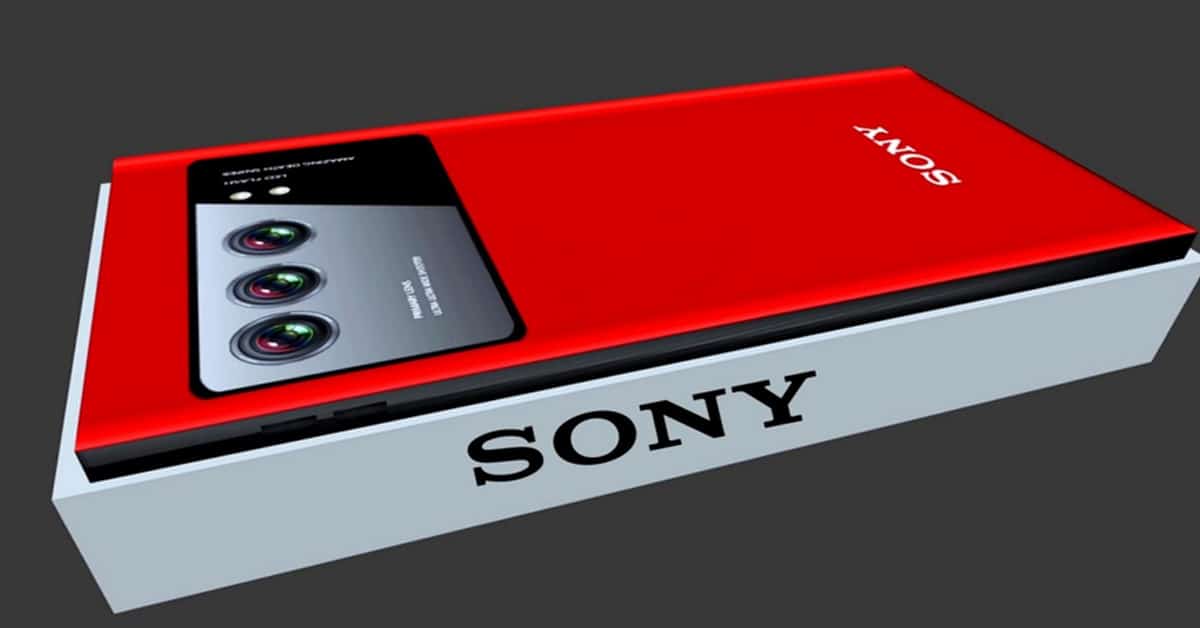
 Sony Xperia Ultra Max Pro Specs: 200MP Cameras, 19100mAh Battery!
-

-
Nokia Joker 2026 Specs: 200MP Cameras, 9800mAh Battery!
-
Nokia Horizon 2026 Specs: 200MP Cameras, 12800mAh Battery!
-
 Nokia Titan 2026 Specs: 16GB RAM, 9700mAh Battery!
-
Redmi Note 15 Series Goes Global With 200MP Cameras, 6580mAh Battery, Price!
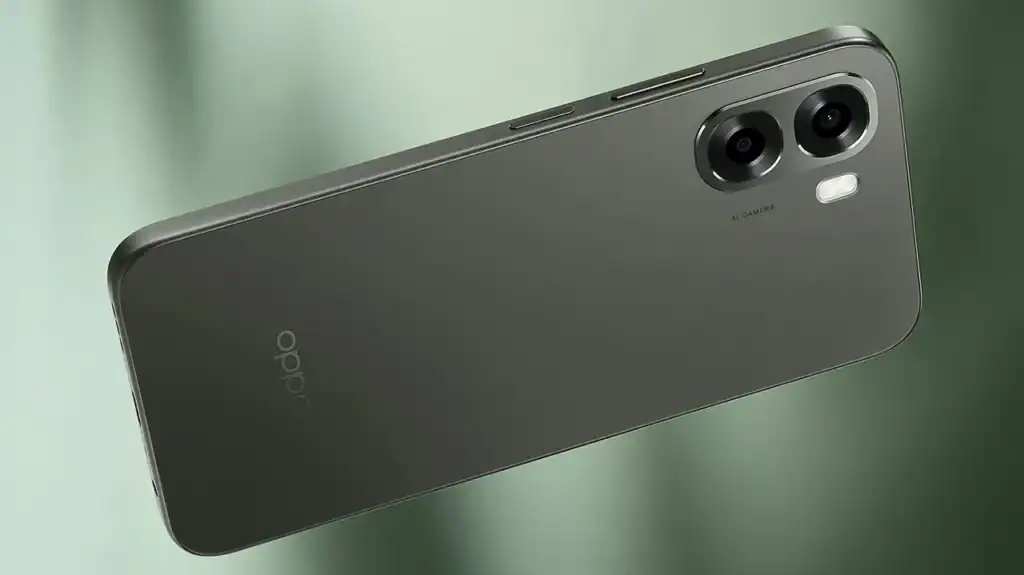
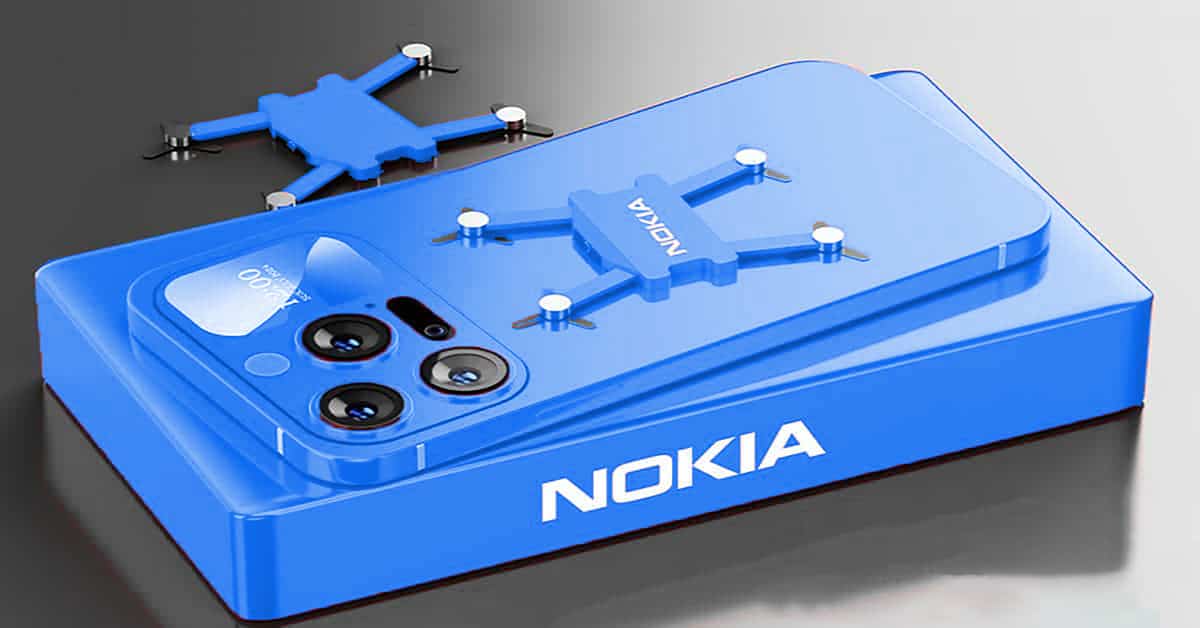
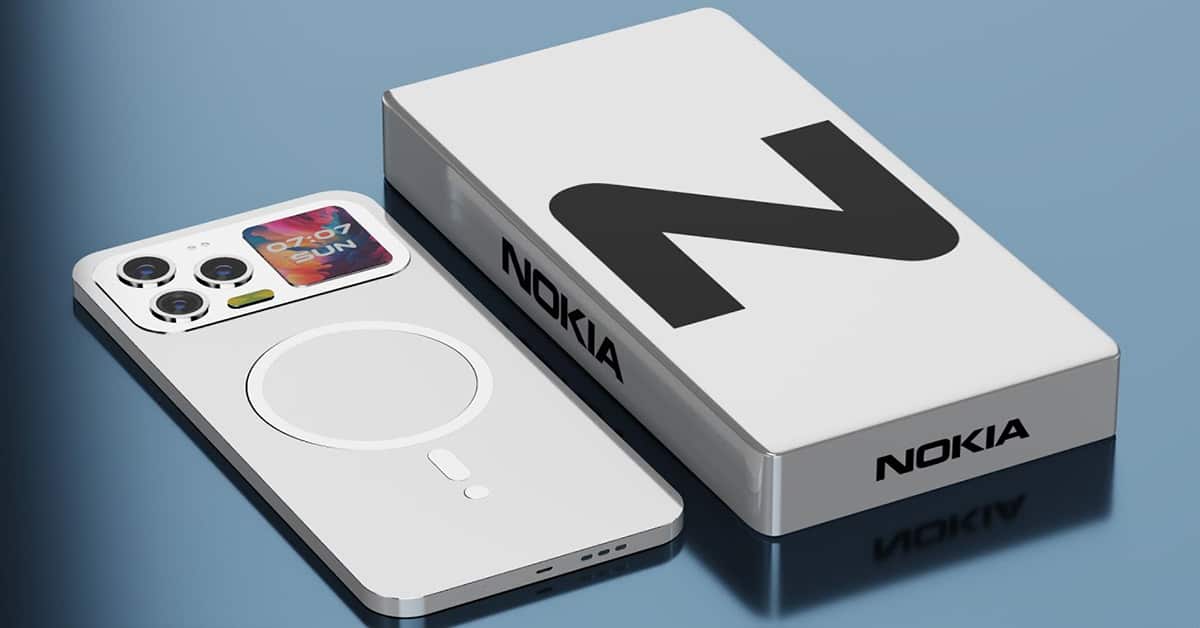
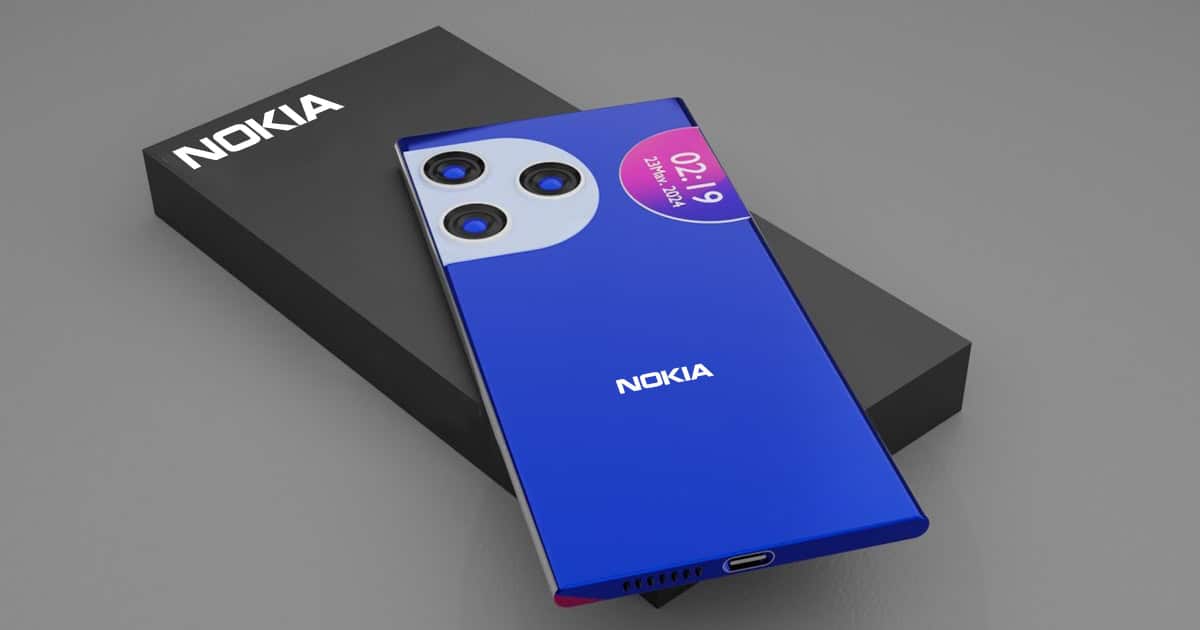

Nokia XpressMusic Max 2025 Specs: 200MP Cameras, 16000mAh Battery!
Nokia XpressMusic Max, with 200MP quad-camera system, and a long-lasting 16,000mAh battery, promises an exceptional experience. Let’s dive into its Nokia XpressMusic Max 2025 specs!

Nokia XpressMusic Max 2025 specs
Nokia continues to innovate, and the XpressMusic Max 2025 takes audio and performance to the next level. This smartphone delivers immersive visuals with its 7.9-inch AMOLED display, featuring 8K resolution, a 165Hz refresh rate, and HDR10+ support. The ultra-thin bezels and Corning Gorilla Glass Victus 2 protection enhance durability and aesthetics.
Under the hood, the Qualcomm Snapdragon 8 Gen 3 chipset ensures seamless multitasking and high-speed performance. The device offers 12GB/16GB/18GB RAM and storage options of 256GB/512GB/1TB, expandable up to 2TB via microSD. Running on Android 15, it delivers a smooth and optimized user experience. For music lovers, Nokia has integrated dual stereo speakers with Dolby Atmos support.
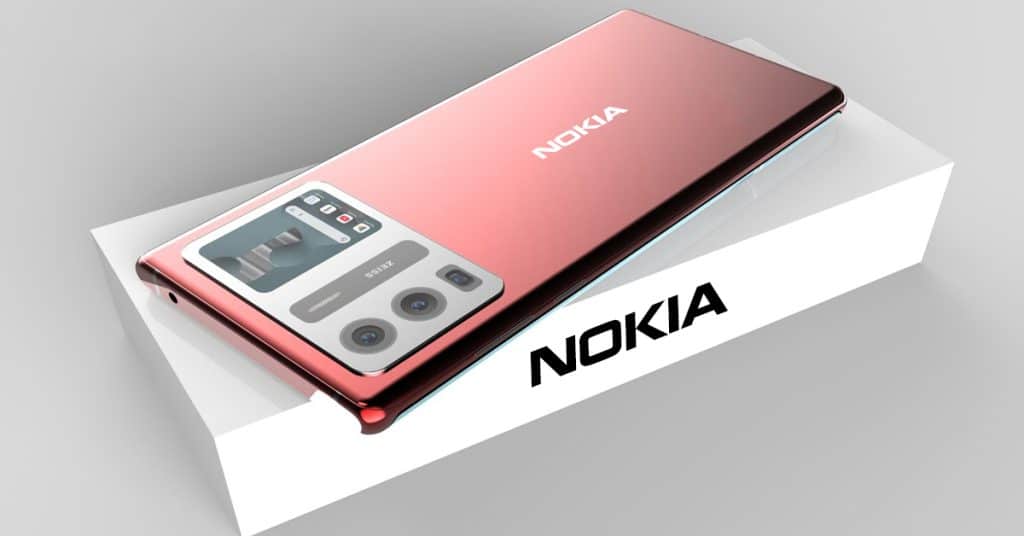
The 3.5mm headphone jack remains, ensuring compatibility with high-end wired headphones. Moving to the camera system, the Nokia XpressMusic Max 2025 boasts a quad-lens setup: a 200MP primary sensor, a 64MP ultra-wide lens, a 32MP periscope telephoto lens with 10x optical zoom, and a 16MP macro sensor. On the front, a 50MP dual-lens selfie camera enhances video calls and self-portraits. A powerful 16,000mAh battery keeps the device running all day, supported by 150W fast wired charging and 100W wireless charging. The AI-powered battery management system further optimizes energy consumption. Additional features include an in-display ultrasonic fingerprint scanner, an IP69 water and dust resistance rating, and advanced connectivity options like 5G, Wi-Fi 7, Bluetooth 5.3, NFC, and USB Type-C 4.0.
Nokia XpressMusic Max 2025 release date and price
Nokia is expected to unveil the XpressMusic Max 2025 release date in early 2025. Regarding price, this Nokia XpressMusic Max 2025 price could start at $299 ~ Rs. 24,800. Are you excited about this music-centric flagship? Share your thoughts in the comments below!
You May Like
-
Sony Xperia Ultra Max Pro Specs: 200MP Cameras, 19100mAh Battery!
-
-
Nokia Joker 2026 Specs: 200MP Cameras, 9800mAh Battery!
-
Nokia Horizon 2026 Specs: 200MP Cameras, 12800mAh Battery!
-
Nokia Titan 2026 Specs: 16GB RAM, 9700mAh Battery!
-
Redmi Note 15 Series Goes Global With 200MP Cameras, 6580mAh Battery, Price!
Samsung Galaxy Edge vs. Redmi A5 4G: 16GB RAM, 200MP Cameras!
The battle between Samsung Galaxy Edge vs. Redmi A5 4G begins, featuring 16GB RAM and 200MP cameras. Find out the winner below!
Samsung Galaxy Edge vs. Redmi A5 4G specs
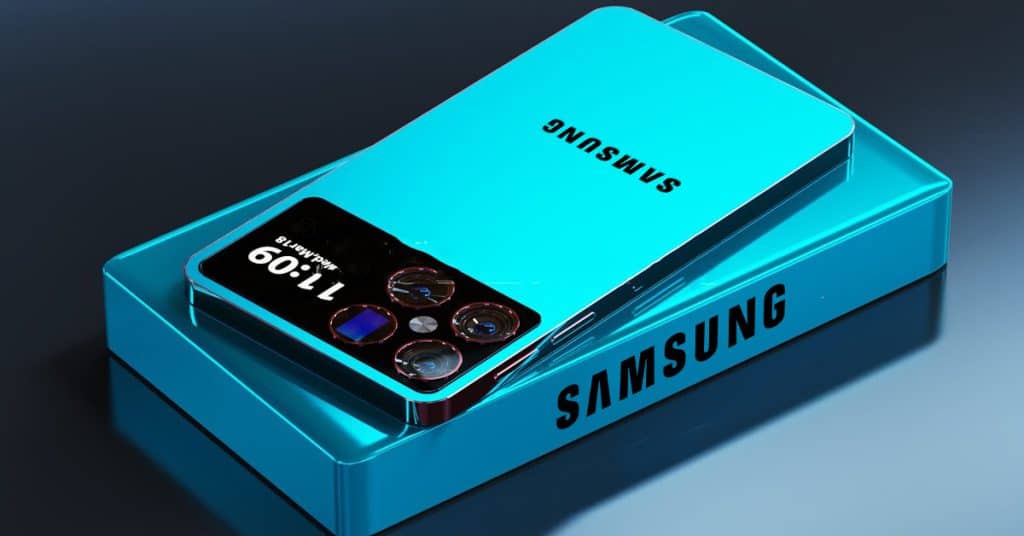
The Samsung Galaxy Edge impresses with premium features, while the Redmi A5 4G delivers reliable performance at an affordable price. The Samsung device features a 6.8-inch Super AMOLED screen with a resolution of 1440 × 3200 pixels. In contrast, the Redmi A5 4G sports a 6.52-inch IPS LCD with a resolution of 720 × 1600 pixels.
Samsung wins this round with its superior display. Moving to hardware, the Samsung Galaxy Edge runs on the Qualcomm Snapdragon 8 Gen 3 chipset. Meanwhile, the Redmi A5 4G uses the MediaTek Helio G36 processor. Both smartphones operate on Android 15. For memory, the Samsung phone offers 12GB or 16GB of RAM with 256GB, 512GB, or 1TB of internal storage.
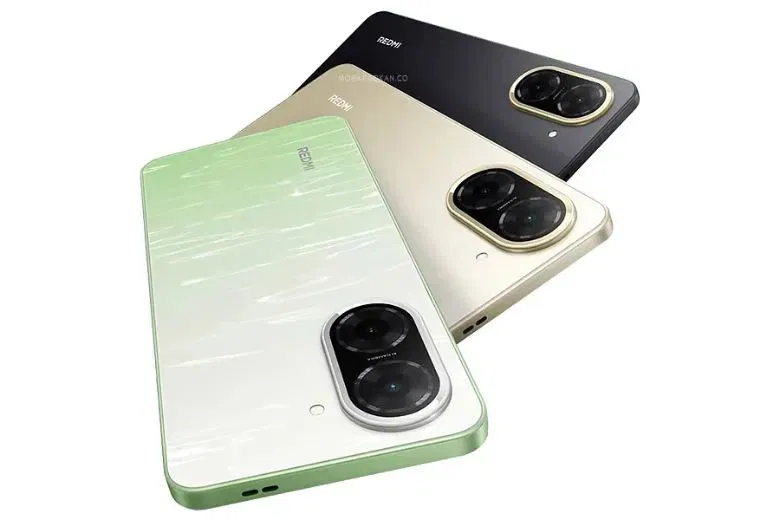
On the other hand, the Redmi handset provides 3GB or 4GB of RAM and 32GB or 64GB of internal storage. Samsung dominates this section with a more powerful chipset and larger memory options. On the camera front, the Samsung Galaxy Edge boasts a quad-camera setup, including a 200MP primary lens, a 16MP ultrawide sensor, an 8MP macro lens, and a 5MP depth sensor. Additionally, it houses a 50MP selfie camera. Meanwhile, the Redmi A5 4G features an 8MP rear camera and a 5MP front-facing sensor. Samsung secures another win with its high-resolution camera system. When it comes to battery capacity, the Samsung Galaxy Edge carries a massive 8000mAh battery, while the Redmi A5 4G is equipped with a 5000mAh battery.
Samsung Galaxy Edge vs. Redmi A5 4G release date and price
The Samsung Galaxy Edge is expected to launch in late 2024, while the Redmi A5 4G was released in April 2024. As for pricing, the Samsung Galaxy Edge price starts at $349, whereas the Redmi A5 4G is available for around $110. Which device suits your needs better? Share your thoughts in the comments!
You May Like
-
Sony Xperia Ultra Max Pro Specs: 200MP Cameras, 19100mAh Battery!
-
-
Nokia Joker 2026 Specs: 200MP Cameras, 9800mAh Battery!
-
Nokia Horizon 2026 Specs: 200MP Cameras, 12800mAh Battery!
-
Nokia Titan 2026 Specs: 16GB RAM, 9700mAh Battery!
-
Redmi Note 15 Series Goes Global With 200MP Cameras, 6580mAh Battery, Price!
Nokia Royal Ultra vs. Motorola Edge 60 Pro: 18GB RAM, 8240mAh Battery!
Witness the ultimate showdown between Nokia Royal Ultra vs. Motorola Edge 60 Pro, featuring massive RAM and flagship chipsets. Which one dominates?
Nokia Royal Ultra vs. Motorola Edge 60 Pro specs
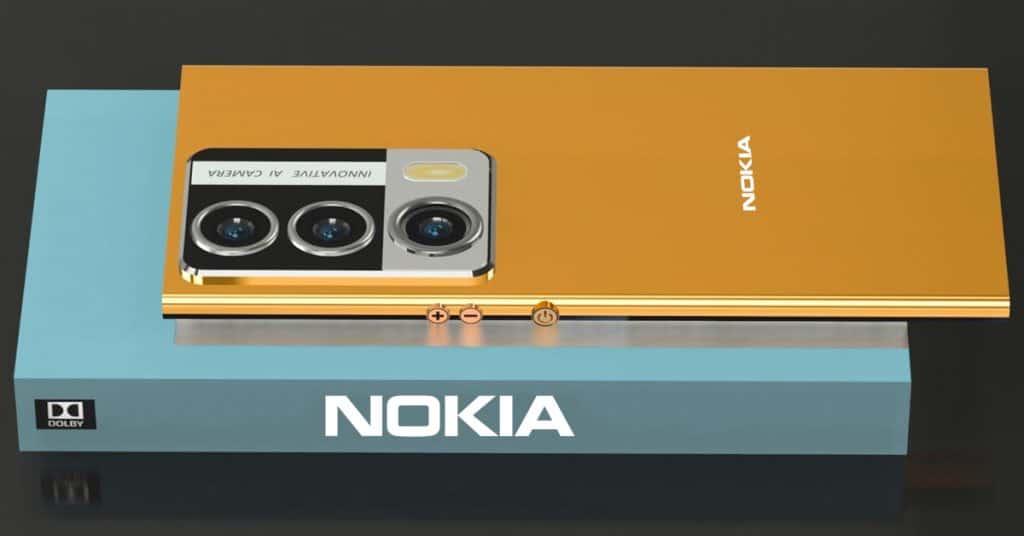
The Nokia Royal Ultra shines with high-end hardware and impressive endurance. Meanwhile, the Motorola Edge 60 Pro delivers sleek design and reliable performance. Regarding display, the Nokia Royal Ultra specs flaunt a 6.95-inch Super AMOLED panel with stunning 4K resolution. On the contrary, Motorola Edge 60 Pro specs offer a 6.7-inch pOLED screen with 1220 x 2712 pixels resolution and 144Hz refresh rate.
While Nokia has a sharper resolution, Motorola offers smoother scrolling thanks to the higher refresh rate. Under the hood, the Nokia phone uses the Snapdragon 8 Gen 3 chipset. However, Motorola Edge 60 Pro equips the more recent Snapdragon 7 Gen 3 processor. Though newer, Motorola’s chip still falls behind Nokia’s flagship-level performance. Moving on, Nokia Royal Ultra features 8GB/12GB/16GB RAM and 128GB to 512GB storage options with 1TB expansion support.

Meanwhile, Motorola Edge 60 Pro packs 8GB/12GB RAM with 128GB/256GB internal storage, but lacks a card slot. Nokia clearly wins this round with more flexibility and larger memory variants. In terms of cameras, Nokia Royal Ultra rocks a triple 200MP + 64MP + 16MP setup with a 50MP front sensor. On the other side, Motorola Edge 60 Pro boasts a dual 50MP wide + 13MP ultrawide lens and a 50MP selfie shooter. While both offer strong selfies, Nokia’s rear system packs more power and detail. Furthermore, both handsets run on Android 15 out of the box. Regarding battery, the Nokia device carries an 8500mAh battery for extended use. Conversely, Motorola Edge 60 Pro houses a smaller 4600mAh cell with 125W fast charging. Despite fast charging, Nokia’s large battery ensures longer endurance.
Nokia Royal Ultra vs. Motorola Edge 60 Pro release date and price
The Nokia Royal Ultra release date could happen soon this year. Meanwhile, Motorola Edge 60 Pro is expected to debut in mid-2024. The Nokia Royal Ultra price may start at $199 ~ Rs. 16,590. Motorola Edge 60 Pro price begins at $389 ~ Rs. 32,390. Which one will win your heart? Let’s hear from you!
You May Like
-
Sony Xperia Ultra Max Pro Specs: 200MP Cameras, 19100mAh Battery!
-
-
Nokia Joker 2026 Specs: 200MP Cameras, 9800mAh Battery!
-
Nokia Horizon 2026 Specs: 200MP Cameras, 12800mAh Battery!
-
Nokia Titan 2026 Specs: 16GB RAM, 9700mAh Battery!
-
Redmi Note 15 Series Goes Global With 200MP Cameras, 6580mAh Battery, Price!
Nokia Ferrari Pro 2025 Specs: 18GB RAM, 12500mAh Battery!
Say hello to the Nokia Ferrari Pro 2025, a premium flagship boasting 18GB RAM and a robust 12500mAh battery! Dive into the full Nokia Ferrari Pro 2025 specs below!

Nokia Ferrari Pro 2025 specs
Following the release of other standout devices like the Nokia Ferrari, HMD Global now gears up to launch another high-end masterpiece — the Nokia Ferrari Pro 2025. Packed with a stunning design and powerful internals, this flagship is built to exceed expectations. Starting with the display, the Nokia Ferrari Pro 2025 features a 6.9-inch Super AMOLED screen that delivers crisp 4K resolution.
In addition, it also includes Corning Gorilla Glass Victus 2 protection, ensuring better resistance against drops and scratches. Thanks to its sleek design and ultra-thin bezels, users will enjoy an immersive viewing experience. Under the hood, this phone runs on the latest Qualcomm Snapdragon 8 Gen 3 chipset, enabling top-tier performance for gaming, multitasking, and productivity.

Moreover, Nokia equips this beast with up to 18GB of RAM and three storage options: 256GB, 512GB, and a massive 1TB. For those who need even more space, a dedicated MicroSD slot supports expansion up to an additional 1TB. In terms of software, the device runs Android 14, offering a smooth and intuitive user experience. Camera-wise, the Nokia Ferrari Pro 2025 boasts an impressive quad-lens system: a 200MP main sensor, a 50MP periscope telephoto lens, a 32MP ultrawide camera, and a 12MP macro shooter. For selfies and video calls, a 60MP front-facing camera ensures clear and vibrant shots. Hence, battery life is another standout feature. Furthermore, the massive 12,500mAh battery supports blazing-fast charging. Additionally, security is handled through an under-display fingerprint scanner. On the connectivity side, it supports 5G, Wi-Fi 6E, Bluetooth 5.3, GPS, and more.
Nokia Ferrari Pro 2025 release date and price
The Nokia Ferrari Pro 2025 is expected to launch in the early months of next year. As for pricing, this flagship could start around $199 ~ Rs. 16,696. Are you excited about this upcoming Nokia powerhouse? Share your thoughts in the comments below — we’d love to hear from you!
You May Like
-
Sony Xperia Ultra Max Pro Specs: 200MP Cameras, 19100mAh Battery!
-
-
Nokia Joker 2026 Specs: 200MP Cameras, 9800mAh Battery!
-
Nokia Horizon 2026 Specs: 200MP Cameras, 12800mAh Battery!
-
Nokia Titan 2026 Specs: 16GB RAM, 9700mAh Battery!
-
Redmi Note 15 Series Goes Global With 200MP Cameras, 6580mAh Battery, Price!
OnePlus 13 Mini vs. OPPO F29 Pro: 16GB RAM, 64MP Cameras!
It’s time for the ultimate face-off: OnePlus 13 Mini vs. OPPO F29 Pro, both showcasing 16GB RAM and 64MP cameras. Let’s find out which phone takes the crown!

OnePlus 13 Mini vs. OPPO F29 Pro
The OnePlus 13 Mini is gearing up for launch with a compact design and flagship-grade internals. Meanwhile, the OPPO F29 Pro hit the market with a stylish look and balanced specs. Starting with the display, the OnePlus 13 Mini specs offer a 6.1-inch LTPO AMOLED with 120Hz refresh rate and 1080 x 2400 pixels resolution. On the other hand, the OPPO F29 Pro specs bring a 6.7-inch AMOLED with 1080 x 2412 pixels resolution and 120Hz refresh rate.
Therefore, OPPO takes the lead with a larger screen, ideal for video playback and immersive viewing. Under the hood, the OnePlus 13 Mini uses the Snapdragon 8 Gen 3 chipset for flagship performance. In contrast, the OPPO phone runs on the MediaTek Dimensity 7050 SoC, which is suitable for smooth multitasking but not as fast. Regarding memory, the OnePlus device packs 12GB/16GB RAM and 256GB/512GB storage without microSD expansion.
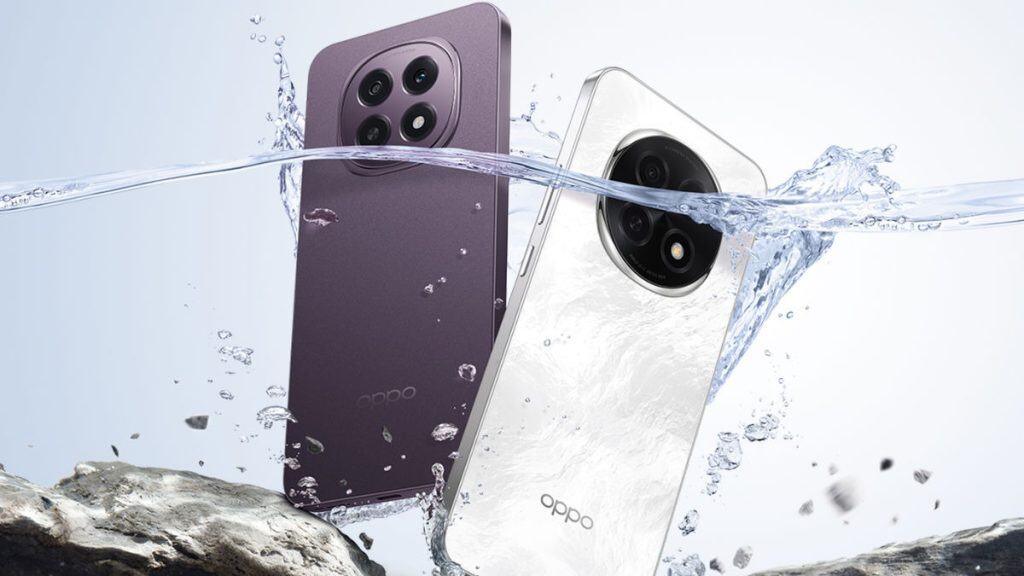
Meanwhile, the OPPO handset features 8GB RAM and 128GB/256GB internal storage, expandable via microSD. Consequently, OnePlus wins this round with stronger RAM options and more storage. Now, let’s dive into the camera department. The OnePlus 13 Mini may carry a dual 50MP + 50MP setup and a 32MP selfie camera. In contrast, the OPPO F29 Pro equips a dual 64MP + 2MP main lens combo and a 32MP front shooter. So, OPPO leads in rear camera resolution, while both tie in front lens quality. Battery-wise, the OnePlus phone houses a 4800mAh cell, whereas the OPPO device packs a 5000mAh battery with 67W fast charging. Clearly, OPPO finishes strong with better battery capacity and charging speed.
OnePlus 13 Mini vs. OPPO F29 Pro release date and price
The OnePlus 13 Mini release date should arrive in the second half of 2024. Meanwhile, the OPPO F29 Pro debuted in March 2024. As for pricing, the OnePlus 13 Mini may start at $499 ~ Rs. 41,599, while OPPO F29 Pro begins at $280 ~ Rs. 23,202. Which phone wins your vote today? Let us know below!
You May Like
-
Sony Xperia Ultra Max Pro Specs: 200MP Cameras, 19100mAh Battery!
-
-
Nokia Joker 2026 Specs: 200MP Cameras, 9800mAh Battery!
-
Nokia Horizon 2026 Specs: 200MP Cameras, 12800mAh Battery!
-
Nokia Titan 2026 Specs: 16GB RAM, 9700mAh Battery!
-
Redmi Note 15 Series Goes Global With 200MP Cameras, 6580mAh Battery, Price!
Samsung Galaxy Edge vs. Vivo X200s: 200MP Cameras, 8500mAh Battery!
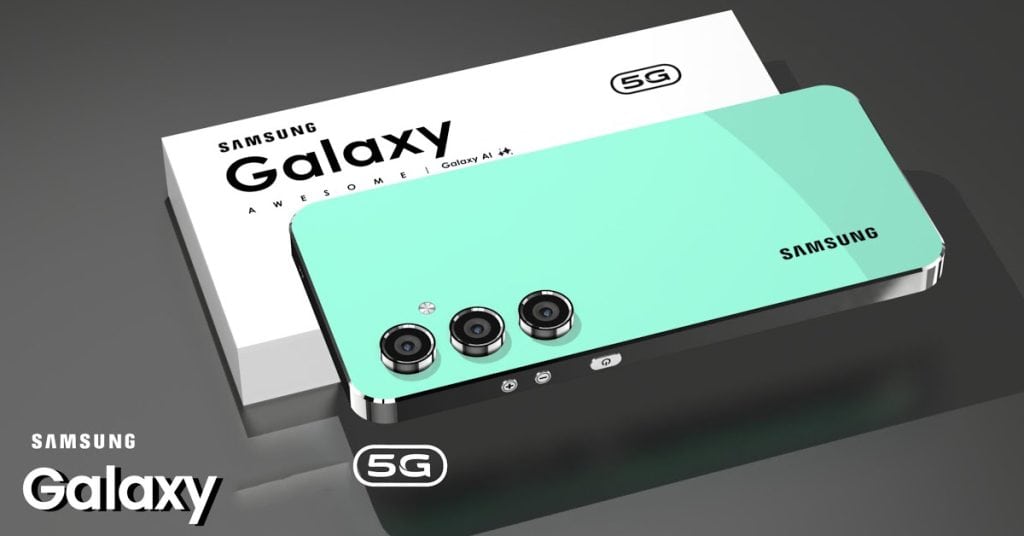
The battle heats up between Samsung Galaxy Edge vs. Vivo X200s, loaded with 200MP cameras and an 8500mAh battery. Let’s compare!
Samsung Galaxy Edge vs. Vivo X200s specs
The Samsung Galaxy Edge arrives with a sleek build and flagship-tier internals. Meanwhile, the Vivo X200s debuts with a stylish look and stunning camera setup. Display-wise, Samsung offers a 6.85-inch Super AMOLED screen with 1080 × 1920 pixels and a cinematic 21:9 aspect ratio. Meanwhile, Vivo X200s flaunts a 6.78-inch LTPO AMOLED display with 1260 x 2800 pixels and a 120Hz refresh rate.
Although both displays are immersive, Vivo wins this round with sharper resolution and smoother scrolling. Both phones run Android 14 out of the box. Under the hood, the Samsung flagship uses the Snapdragon 8 Gen 3, ensuring ultra-fast performance. On the other hand, Vivo X200s draws power from the MediaTek Dimensity 9300 chipset.

Vivo dominates in performance with its newer and more efficient processor. Now onto memory—Samsung provides 12GB/16GB RAM and 256GB/512GB/1TB of storage, expandable via microSD. Meanwhile, Vivo X200s comes in 12GB/16GB RAM versions with 256GB or 512GB UFS 4.0 storage but lacks microSD support. So, Samsung earns the point for expandable storage flexibility. In terms of optics, Samsung Galaxy Edge features triple cameras: 200MP main + 16MP ultrawide + 8MP depth sensor. At the front, it houses a 50MP shooter. Vivo counters with a triple 50MP ZEISS-lens setup and a 32MP front-facing snapper. Though Samsung leads in megapixels, Vivo delivers exceptional imaging with ZEISS tuning. Battery-wise, Samsung carries a massive 8500mAh cell, offering extended usage. Meanwhile, Vivo includes a smaller 5100mAh battery with 100W fast charging. Samsung clearly wins the battery game with sheer capacity.
Samsung Galaxy Edge vs. Vivo X200s release date and price
The Samsung Galaxy Edge launch is expected in late 2024. Conversely, Vivo X200s debuted in May 2024. Regarding pricing, Samsung Galaxy Edge may cost around $249 ~ Rs. 20,780. Meanwhile, Vivo X200s starts at $439 ~ Rs. 36,990. Which one would you go for? Share with us below!
You May Like
-
Sony Xperia Ultra Max Pro Specs: 200MP Cameras, 19100mAh Battery!
-
-
Nokia Joker 2026 Specs: 200MP Cameras, 9800mAh Battery!
-
Nokia Horizon 2026 Specs: 200MP Cameras, 12800mAh Battery!
-
Nokia Titan 2026 Specs: 16GB RAM, 9700mAh Battery!
-
Redmi Note 15 Series Goes Global With 200MP Cameras, 6580mAh Battery, Price!
Nokia Zenjutsu vs. OPPO Reno 14: 200MP Cameras, 14200mAh Battery!
Don’t miss the fierce face-off: Nokia Zenjutsu vs. OPPO Reno 14, packed with 200MP cameras and a 14200mAh battery. Dive in below!

Nokia Zenjutsu vs. OPPO Reno 14 specs
The Nokia Zenjutsu arrives with bold hardware and a massive battery. Meanwhile, the OPPO Reno 14 stands out with its premium look and balanced performance. Regarding the display, Nokia Zenjutsu specs offer a 6.92-inch Super AMOLED screen with 1080 x 2400 pixels resolution and a 120Hz refresh rate. On the other hand, OPPO Reno 14 specs sport a 6.7-inch AMOLED screen with 1080 x 2412 pixels and a 120Hz refresh rate.
Both phones provide vibrant visuals, but Nokia’s larger screen size makes it slightly more immersive. Under the hood, the Nokia device runs the Snapdragon 8 Gen 3 chipset. In contrast, the OPPO handset draws power from the Snapdragon 7 Gen 3 chipset. Clearly, Nokia takes the performance crown with its superior processor. Moving to memory, the Nokia phone ships with 12GB/16GB RAM and 256GB/512GB storage, expandable to 1TB via microSD.
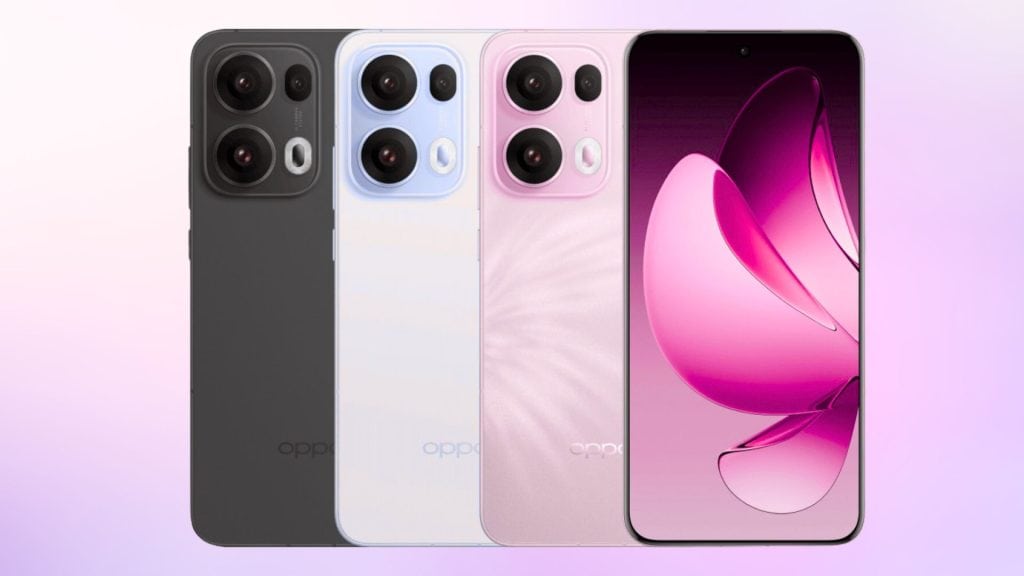
Meanwhile, OPPO Reno 14 offers 8GB/12GB RAM and 256GB/512GB internal storage, but no card slot support. Nokia wins again with expandable storage flexibility. Now to the camera battle—Nokia Zenjutsu features a triple 200MP + 16MP + 8MP rear setup, plus a 16MP selfie snapper. OPPO Reno 14 equips a dual 50MP + 8MP main system and a 32MP front camera. Nokia leads in rear camera resolution, while OPPO impresses with a sharper front camera. Both phones run Android 14. For battery, Nokia packs a massive 14200mAh unit for long use. In comparison, OPPO Reno 14 houses a smaller 5000mAh cell with 67W charging. With a larger battery, Nokia edges ahead in endurance.
Nokia Zenjutsu vs. OPPO Reno 14 release date and price
The Nokia Zenjutsu release date could land later this year. Meanwhile, OPPO Reno 14 is expected to launch in mid-2024. Regarding cost, Nokia Zenjutsu may start at $245 ~ Rs. 20,019. OPPO Reno 14 could be priced around $320 ~ Rs. 26,150. Which one would you pick? Let us know below!
You May Like
-
Sony Xperia Ultra Max Pro Specs: 200MP Cameras, 19100mAh Battery!
-
-
Nokia Joker 2026 Specs: 200MP Cameras, 9800mAh Battery!
-
Nokia Horizon 2026 Specs: 200MP Cameras, 12800mAh Battery!
-
Nokia Titan 2026 Specs: 16GB RAM, 9700mAh Battery!
-
Redmi Note 15 Series Goes Global With 200MP Cameras, 6580mAh Battery, Price!
Nokia Maze Premium 2025 Specs: 18GB RAM, 11000mAh Battery!
Get ready for the arrival of the Nokia Maze Premium 2025, a next-level smartphone with 18GB RAM and a massive 11,000mAh battery. Dive into the full article below to explore the Nokia Maze Premium 2025 specs!
Nokia Maze Premium 2025 specs
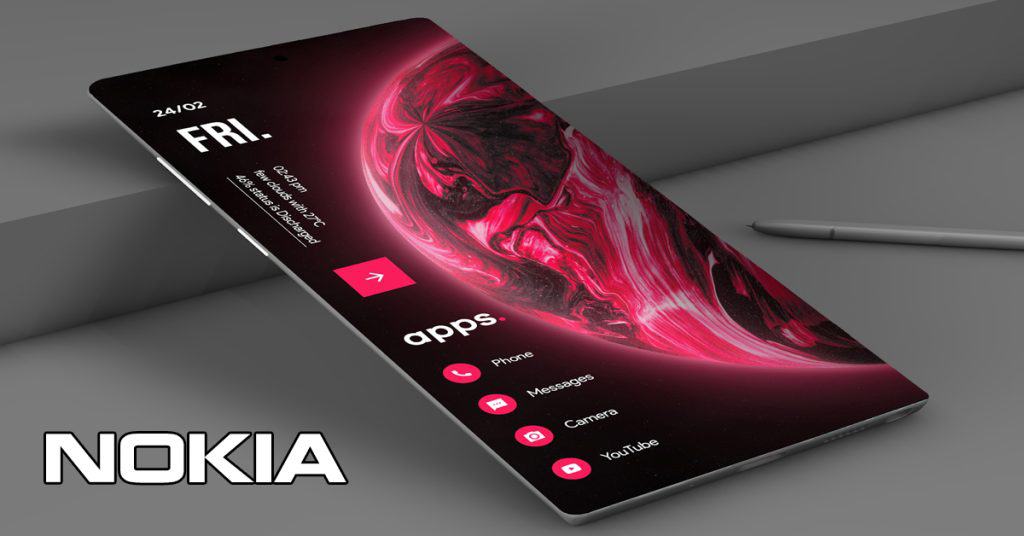
After the success of previous models like the Nokia Energy and Nokia Energy Max, HMD Global is back with a powerhouse flagship: the Nokia Maze Premium 2025. Besides, this upcoming beast promises high performance, elegant design, and cutting-edge features. To begin with, the Nokia Maze Premium 2025 sports a stunning 6.9-inch Super AMOLED display, offering a 3200 x 1440 pixels resolution.
The device also supports a 165Hz refresh rate and a cinematic 21:9 aspect ratio, making it perfect for immersive viewing. To enhance durability, it’s protected by Corning Gorilla Glass Victus 2. At its core, the phone runs on the latest Qualcomm Snapdragon 8 Gen 3 chipset, delivering ultra-fast performance and power efficiency. Additionally, it comes in three RAM options: 12GB, 16GB, and a high-end 18GB.
Storage-wise, you can choose between 256GB, 512GB, or 1TB of internal memory, expandable up to another 1TB via microSD card. On the software front, the Nokia Maze Premium 2025 boots Android 14 right out of the box. Turning to the camera system, this device impresses with a quad rear setup: a 200MP main sensor, a 64MP telephoto lens, a 16MP ultrawide snapper, and an 8MP depth sensor. For selfies and video calls, it offers a sharp 60MP front camera. Keeping the lights on is a colossal 11,000mAh battery with support for 100W fast charging, ensuring you stay connected longer without delays. Additional features include an under-display fingerprint sensor and full connectivity options like 5G, Wi-Fi 6E, Bluetooth 5.3, GPS, and NFC.
Nokia Maze Premium 2025 release date and price
The Nokia Maze Premium 2025 is expected to launch in the third quarter of 2025. The Nokia Maze Premium 2025 price may start around $349 ~ Rs. 28,990. Are you excited to get your hands on this beastly Nokia smartphone? Share your thoughts with us in the comment section below!
You May Like
-
Sony Xperia Ultra Max Pro Specs: 200MP Cameras, 19100mAh Battery!
-
-
Nokia Joker 2026 Specs: 200MP Cameras, 9800mAh Battery!
-
Nokia Horizon 2026 Specs: 200MP Cameras, 12800mAh Battery!
-
Nokia Titan 2026 Specs: 16GB RAM, 9700mAh Battery!
-
Redmi Note 15 Series Goes Global With 200MP Cameras, 6580mAh Battery, Price!
Nokia Nanomax vs. Realme Narzo 80x: 16GB RAM, 200MP Cameras!
Brace yourself for a battle of specs: Nokia Nanomax vs. Realme Narzo 80x, featuring 16GB RAM and 200MP cameras. Discover who wins below!
Nokia Nanomax vs. Realme Narzo 80x specs
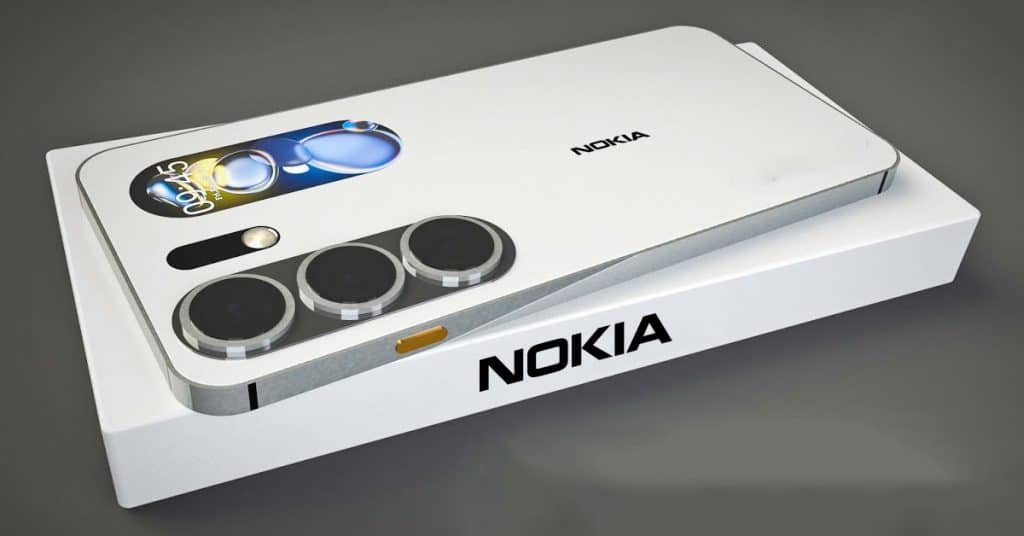
The Nokia Nanomax impresses with futuristic design and massive hardware. Meanwhile, the Realme Narzo 80x arrives with 5G support and efficient power usage. Let’s begin with their performance cores. The Nokia phone uses the Qualcomm Snapdragon 8 Gen 3, delivering flagship-grade power. In contrast, the Realme handset runs on the MediaTek Dimensity 6100+ chipset, built for smooth everyday tasks.
Clearly, Nokia dominates this round with its stronger chipset. Moving to storage, Nokia offers 12GB/16GB RAM and 256GB/512GB storage. You can also expand it via microSD. Meanwhile, Realme Narzo 80x provides 6GB/8GB RAM and 128GB internal storage, also expandable via microSD. As a result, Nokia secures another point with more RAM and higher capacity options.
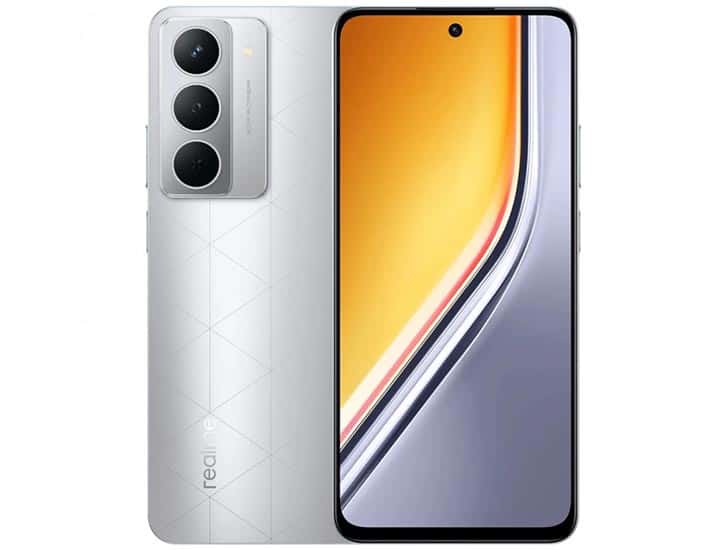
Now for the visuals! Nokia Nanomax specs include a 6.9-inch Super AMOLED display with 1440 x 3200 pixels resolution and a 120Hz refresh rate. On the other hand, Realme Narzo 80x features a 6.72-inch IPS LCD with 1080 x 2400 pixels resolution and 120Hz refresh rate. Although Realme’s screen is larger, Nokia wins on display quality and sharpness. Imaging-wise, the Nokia flagship packs triple cameras: 200MP main lens + 50MP ultra-wide + 5MP depth sensor. Up front, it has a sharp 44MP selfie shooter. Conversely, the Realme Narzo 80x sports dual 50MP + 2MP rear cameras and an 8MP selfie lens. With higher resolution sensors, Nokia leads this category again. Battery-wise, the Nokia beast holds a 7000mAh juice box. In contrast, Realme only includes a 5000mAh battery. While both support fast charging, Nokia’s massive battery provides longer endurance.
Nokia Nanomax vs. Realme Narzo 80x release date and price
The Nokia Nanomax release date is expected in late 2024. Meanwhile, Realme Narzo 80x launched in March 2024. Regarding price, the Nokia Nanomax may start at $299 ~ Rs. 24,899, while Realme Narzo 80x begins at $139 ~ Rs. 11,599. Which one is your favorite? Tell us now!
You May Like
-
Sony Xperia Ultra Max Pro Specs: 200MP Cameras, 19100mAh Battery!
-
-
Nokia Joker 2026 Specs: 200MP Cameras, 9800mAh Battery!
-
Nokia Horizon 2026 Specs: 200MP Cameras, 12800mAh Battery!
-
Nokia Titan 2026 Specs: 16GB RAM, 9700mAh Battery!
-
Redmi Note 15 Series Goes Global With 200MP Cameras, 6580mAh Battery, Price!
Nokia Zenjutsu vs. Asus Zenfone 12 Ultra: 16GB RAM, 200MP Cameras!
Don’t miss the clash between two titans: Nokia Zenjutsu vs. Asus Zenfone 12 Ultra, featuring 16GB RAM and 200MP cameras. Explore the detailed comparison below!
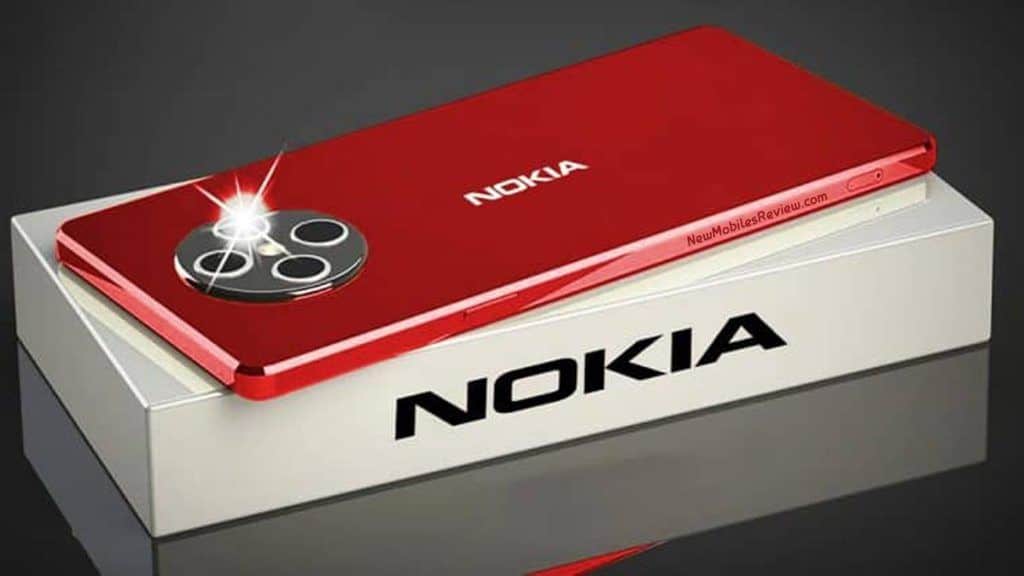
Nokia Zenjutsu vs. Asus Zenfone 12 Ultra specs
The Nokia Zenjutsu arrives with a robust battery and a premium camera setup. Meanwhile, the Asus Zenfone 12 Ultra boasts a sleek design and powerful performance. In detail, the Nokia device offers 12GB or 16GB of RAM and 256GB or 512GB of internal storage. Additionally, it supports microSD expansion up to 1TB. Conversely, the Asus handset comes with 16GB RAM and up to 512GB of internal storage, but lacks a microSD slot.
Therefore, Nokia’s expandable storage provides an advantage. Regarding the display, the Nokia Zenjutsu features a 6.8-inch Super AMOLED with a 1440 x 3200 pixels resolution. In contrast, the Asus Zenfone 12 Ultra sports a 6.78-inch AMOLED display with a 2400 x 1080 pixels resolution and a variable refresh rate up to 144Hz for gaming. Although the Asus device offers a higher refresh rate, Nokia’s higher resolution may appeal to some users.

Under the hood, the Nokia flagship utilizes the Qualcomm Snapdragon 8 Gen 3 chipset. On the other hand, the Asus handset is powered by the latest Snapdragon 8 Elite processor. Thus, Asus takes the lead in processing power. For photography enthusiasts, the Nokia Zenjutsu is equipped with a triple camera setup: 200MP main sensor, a 16MP ultrawide shooter, and an 8MP depth sensor. Additionally, it has a 16MP front-facing camera.
In contrast, the Asus Zenfone 12 Ultra features a 50MP main camera with a gimbal stabilizer, a 32MP telephoto lens and a 13MP ultrawide lens. Moreover, it offers a 32MP front camera. Regarding the operating system, the Nokia device runs on Android 15, while the Asus handset operates on Android 15. Battery-wise, the Nokia houses a 7500mAh battery, whereas the Asus carries a smaller 5500mAh battery. Consequently, Nokia offers longer battery life, but Asus provides faster charging options.
Nokia Zenjutsu vs. Asus Zenfone 12 Ultra release date and price
The Nokia Zenjutsu is expected to be released in the next quarter of this year. In contrast, the Asus Zenfone 12 Ultra is currently available in European markets, priced at €1,099.99 for the 16GB RAM and 512GB storage variant. Pricing and availability in other regions, including the US, UK, and Australia, have yet to be announced. Which one will you choose? Stay tuned for our updated information!
You May Like
-
Sony Xperia Ultra Max Pro Specs: 200MP Cameras, 19100mAh Battery!
-
-
Nokia Joker 2026 Specs: 200MP Cameras, 9800mAh Battery!
-
Nokia Horizon 2026 Specs: 200MP Cameras, 12800mAh Battery!
-
Nokia Titan 2026 Specs: 16GB RAM, 9700mAh Battery!
-
Redmi Note 15 Series Goes Global With 200MP Cameras, 6580mAh Battery, Price!
Vivo Y300 Pro+ vs. iPhone 17 Air: 8GB RAM, 50MP Cameras!
Dive into the exhilarating showdown between the Vivo Y300 Pro+ vs. iPhone 17 Air with 8GB RAM and 50MP cameras. Let’s explore their specifications to determine the ultimate champion!

Vivo Y300 Pro+ vs. iPhone 17 Air specs
The Vivo Y300 Pro+ showcases an elegant design with a substantial battery capacity. Similarly, the iPhone 17 Air features a sleek design and impressive performance. Regarding the display, the Vivo Y300 Pro+ specs flaunt a 6.78-inch AMOLED screen with a 1080 x 2400 pixels resolution. This device offers a 120Hz refresh rate and a peak brightness of 1300 nits.
In contrast, the iPhone 17 Air specs feature a 6.6-inch Super Retina XDR OLED display with a 1290 x 2796 pixels resolution. This device also supports HDR10 and Dolby Vision, ensuring vibrant visuals. As a result, the Vivo handset leads this round with a higher refresh rate. Under the hood, the Vivo smartphone uses the Qualcomm Snapdragon 695 5G chipset.
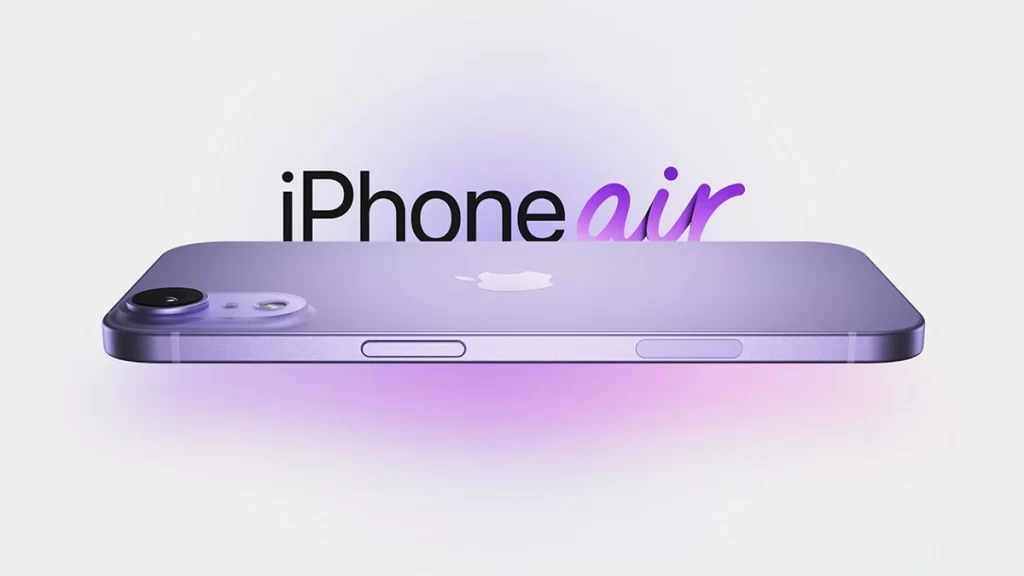
Conversely, the iPhone 17 Air accepts power from the Apple A19 chipset, built on a 3 nm process. Furthermore, the Vivo device runs on Android 14 with Funtouch 14, while the iPhone handset operates on iOS 19. The Vivo handset arrives with 8GB RAM and 128GB of internal storage, without a card slot. In comparison, the iPhone 17 Air ships with 8GB RAM and offers 128GB, 256GB, or 512GB of internal storage, also without a card slot. Thus, the iPhone team wins this round due to more storage options.
How about cameras? The Vivo Y300 Pro+ cameras feature a dual rear shooter setup consisting of a 50MP primary lens and a 2MP depth sensor. Additionally, this phone packs a single 32MP front-facing shooter. Moreover, the iPhone 17 Air cameras pack a dual 48MP rear lens and a 12MP selfie lens. How about the capacity? The Vivo smartphone keeps the lights on with a 5000mAh battery cell, supporting 44W wired fast charging. In contrast, the iPhone 17 Air’s battery capacity and charging details remain undisclosed. So, the Vivo team wins this match thanks to a larger battery.
Vivo Y300 Pro+ vs. iPhone 17 Air release date and price
The Vivo Y300 Pro+ release date occurred on October 16, 2024. In contrast, the iPhone 17 Air release date remains unannounced, with rumors suggesting a launch later this year. Concerning the cost, the Vivo Y300 Pro+price starts at approximately €260. Meanwhile, the iPhone 17 Air price has yet to be officially revealed. So, between these two devices, which one is your choice?
You May Like
-
Sony Xperia Ultra Max Pro Specs: 200MP Cameras, 19100mAh Battery!
-
-
Nokia Joker 2026 Specs: 200MP Cameras, 9800mAh Battery!
-
Nokia Horizon 2026 Specs: 200MP Cameras, 12800mAh Battery!
-
Nokia Titan 2026 Specs: 16GB RAM, 9700mAh Battery!
-
Redmi Note 15 Series Goes Global With 200MP Cameras, 6580mAh Battery, Price!


