Tag: Vivo iQOO 13
Best Chinese Phones May 2025: 16GB RAM, 50MP Cameras!
Chinese smartphone brands continue to push boundaries in 2025, offering 16GB RAM and 50MP cameras. From gaming beasts to flagship-level cameras, these are the best Chinese phones to consider in May 2025.
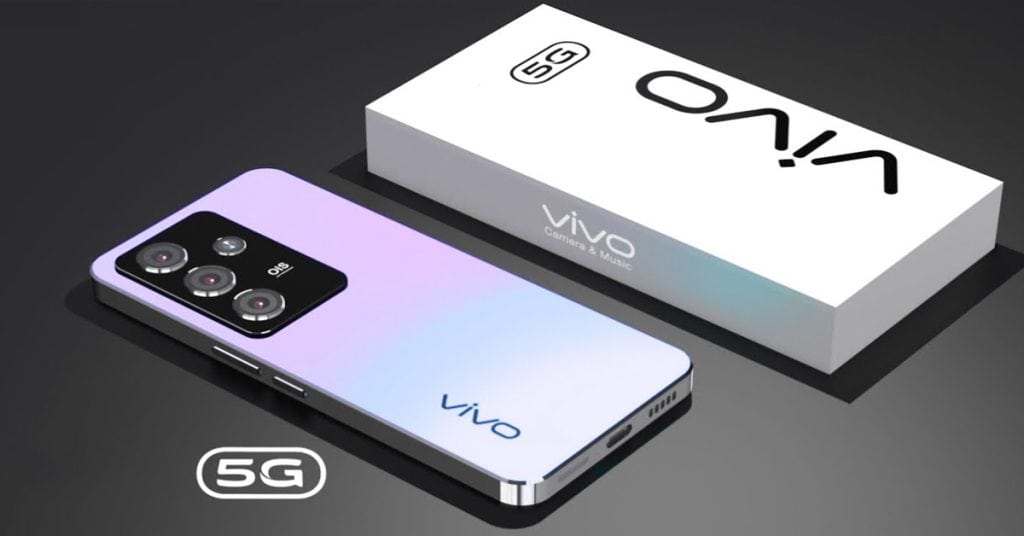
1. ZTE Nubia Red Magic 10 Pro
The ZTE Nubia Red Magic 10 Pro is a performance-centric gaming smartphone packed with flagship hardware. It features a 6.8-inch AMOLED display with a blazing-fast 165Hz refresh rate, designed for competitive gaming. Powered by the Snapdragon 8 Gen 3 chipset and up to 16GB of RAM, the phone delivers lag-free performance.
How about the other features of the ZTE Nubia Red Magic 10 Pro. It also includes shoulder triggers and a built-in cooling fan to keep temperatures low during intense sessions. On the other hand, the 5000mAh battery with 165W ultra-fast charging ensures minimal downtime. ZTE Nubia Red Magic 10 Pro price starts at $749.
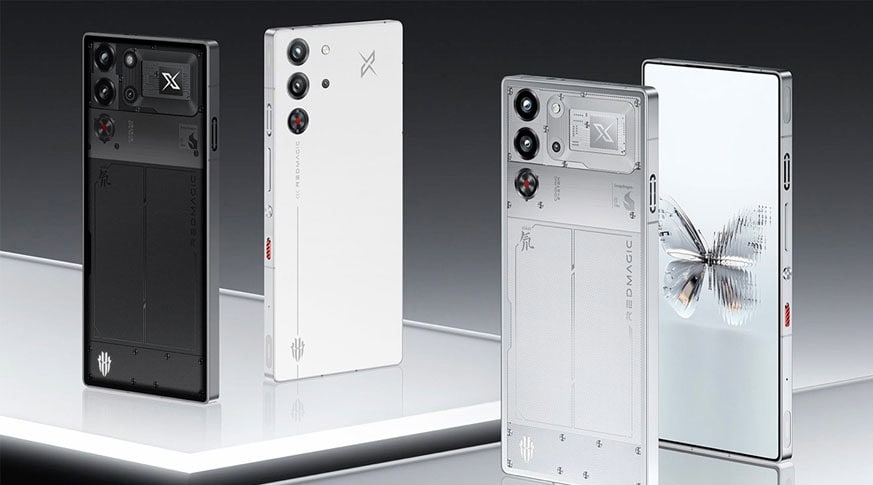
2. Vivo iQOO 13
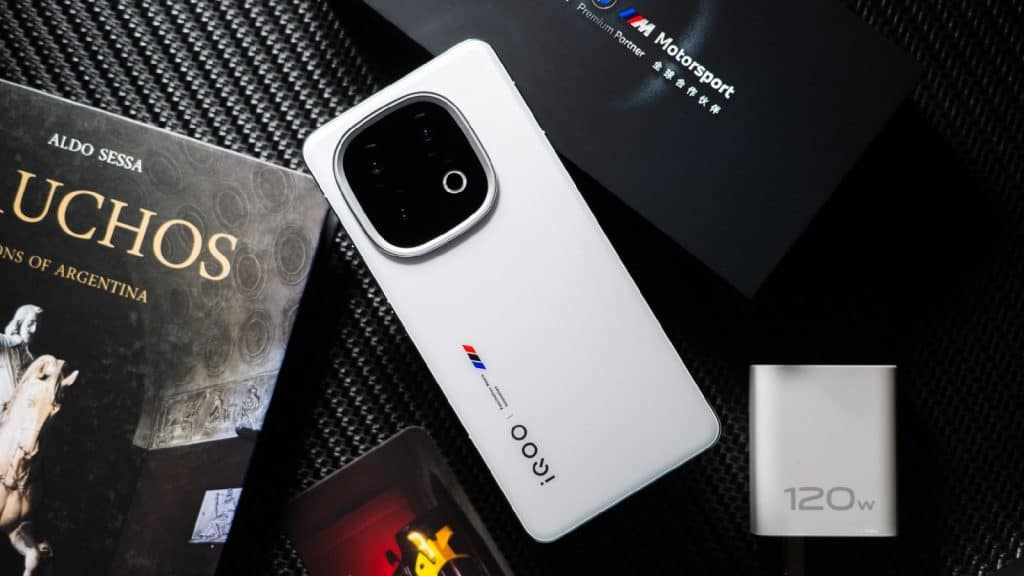
Built for speed and efficiency, the Vivo iQOO 13 is a powerful device aimed at gamers and power users. It boasts a 6.78-inch LTPO AMOLED display with 144Hz refresh rate and HDR10+ support. Under the hood, it’s equipped with the Snapdragon 8 Gen 3 processor, paired with up to 16GB RAM. The 50MP main camera delivers sharp and vibrant images, while the 5000mAh battery with 120W charging ensures you’re never out of action for long. Vivo iQOO 13 price is expected to be around $699.

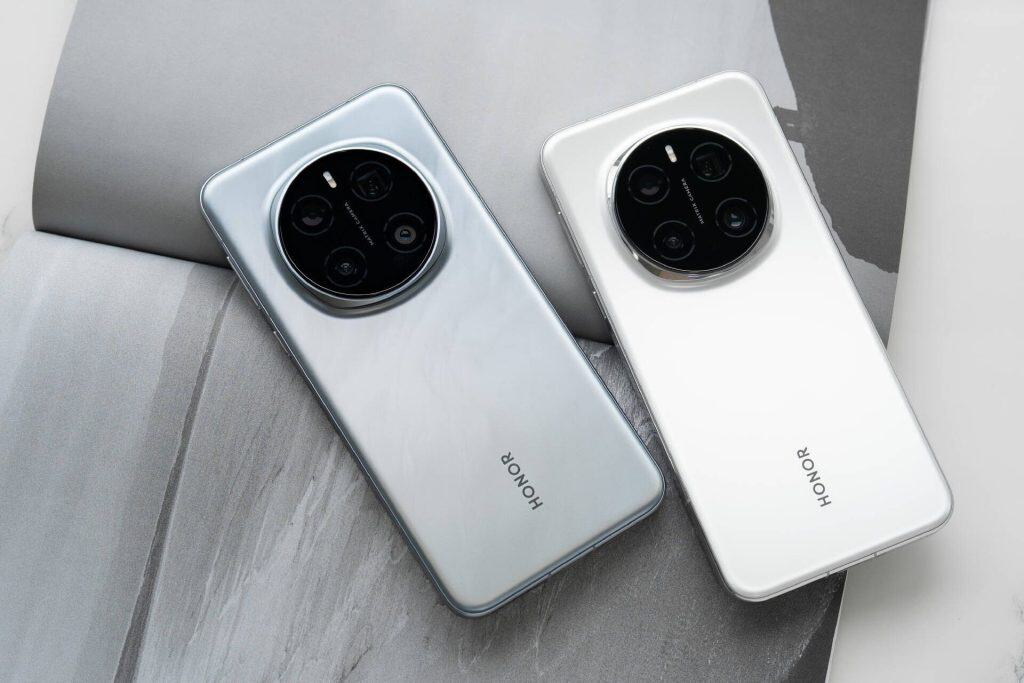
3. Honor Magic7 Pro
The Honor Magic7 Pro is a flagship offering that emphasizes sleek design and powerful features. It sports a 6.81-inch OLED quad-curved display with a 120Hz refresh rate, providing an immersive viewing experience. The phone runs on the Snapdragon 8 Gen 3 and features a versatile triple-camera system with a 50MP main sensor, 50MP ultra-wide, and a telephoto lens for zoom shots. It also includes advanced AI capabilities for photography and a 5450mAh battery with 100W fast charging. Honor Magic7 Pro price starts at $899.
4. ZTE Nubia Z70 Ultra
The ZTE Nubia Z70 Ultra stands out with its under-display selfie camera and minimalistic design. It features a 6.8-inch AMOLED display with 120Hz refresh rate and full-screen aesthetics. The Snapdragon 8 Gen 3 chipset and 12GB RAM deliver smooth multitasking, while the 64MP triple-camera system ensures crisp images in all conditions. With a 5000mAh battery and 80W fast charging, the Z70 Ultra offers all-day endurance. ZTE Nubia Z70 Ultra price starts at $799.

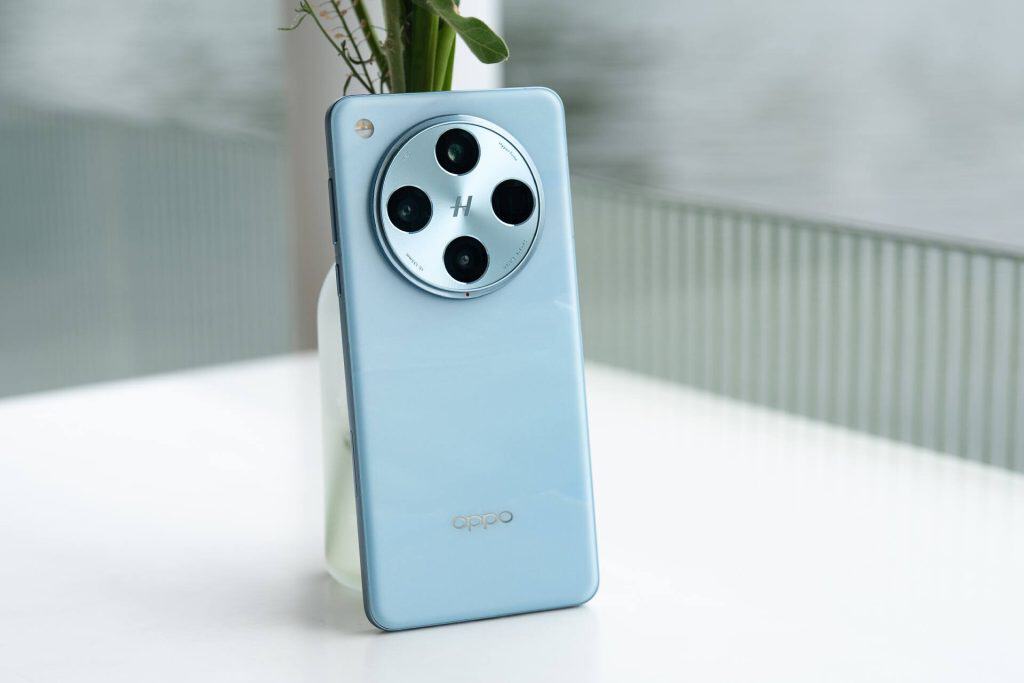
5. Oppo Find X8 Pro
The Oppo Find X8 Pro is a flagship device known for its premium build and exceptional camera performance. It features a 6.82-inch LTPO AMOLED display with 2K resolution and 120Hz refresh rate. Powered by the Snapdragon 8 Gen 3 and equipped with up to 16GB RAM, the phone excels in both speed and efficiency. The camera setup includes a 50MP main sensor, a 50MP ultra-wide, and a periscope telephoto lens—ideal for professional-level shots. The 5000mAh battery supports 100W wired and 50W wireless charging. Oppo Find X8 Pro price is approximately $1,099.
Best Chinese Phones May 2025
In May 2025, Chinese smartphones like the ZTE Nubia Red Magic 10 Pro and Oppo Find X8 Pro continue to impress with their performance, innovation, and design. Whether you’re a mobile gamer or a photography enthusiast, these devices deliver premium features at competitive prices. Which model fits your needs best?
You May Like
-
 Best Nokia Phones October 2025: 18GB RAM, 200MP Cameras!
-
 Best Nokia Phones August 2025: 16GB RAM, 8800mAh Battery!
-
 Best Smartphones Of 2025: 200MP Cameras, 16GB RAM!
-
Best compact phones 2025: 12GB RAM, 50MP Cameras!
-
Top Chinese Phones July 2025: 50MP Cameras, 6000mAh Battery!
-
Best smartphone launches of the week: 12GB RAM, 5000mAh Battery!

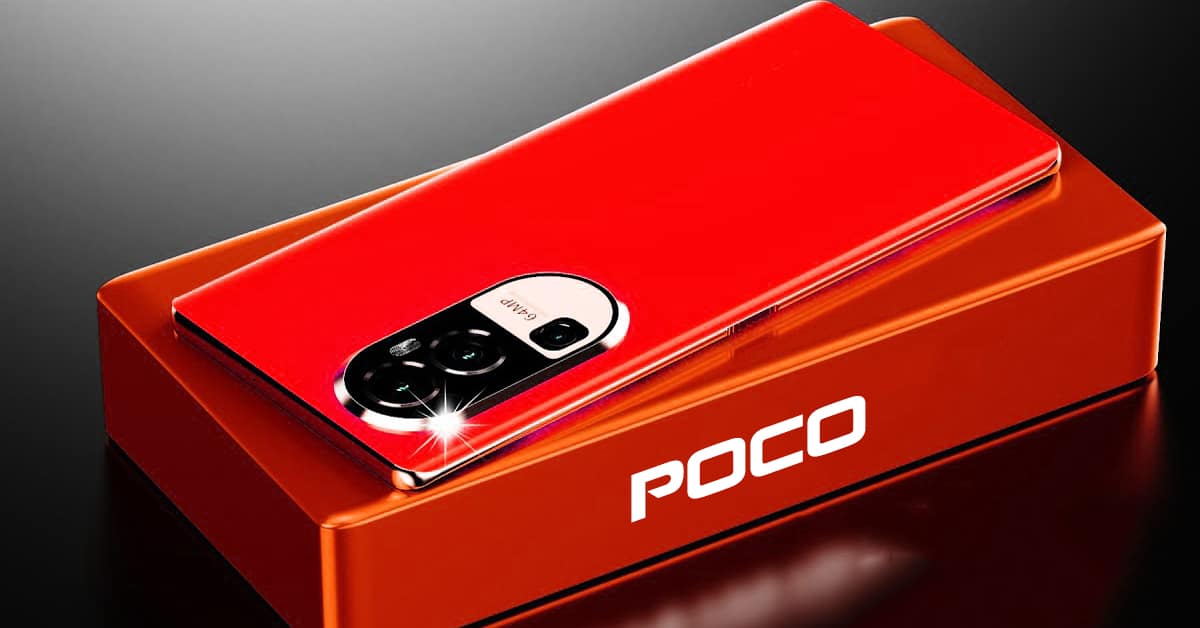
Realme GT7 Pro vs. Vivo iQOO 13: 200MP Cameras, 5200mAh Battery!
Experience the ultimate smartphone duel as the Realme GT7 Pro Special vs. Vivo iQOO 13, each offering 200MP cameras and a 5200mAh battery! Discover the final winner below!

Realme GT7 Pro Special vs. Vivo iQOO 13 specs
The Realme GT7 Pro boasts powerful premium specs and stunning camera technology, whereas the Vivo iQOO 13 features a gorgeous design and impressive battery life. In detail, Realme GT7 Pro specs offer a 7.6-inch Foldable Dynamic AMOLED 2X with 1812 x 2176 pixels. Moreover, Vivo iQOO 13 specs carry a 6.8-inch LTPO OLED with a 1260 x 2844 pixels resolution.
As a result, the Realme family scores the first goal with higher resolutions. Furthermore, both smartphones run the latest Android 14 operating system. The Realme device uses the Qualcomm Snapdragon 8 Gen 3 chipset, while the Vivo handset accepts power from the Kirin 9010 chipset. The Realme phone offers 8GB/ 12GB of RAM and 256GB/ 512GB/ 1TB of internal storage (no card slot).
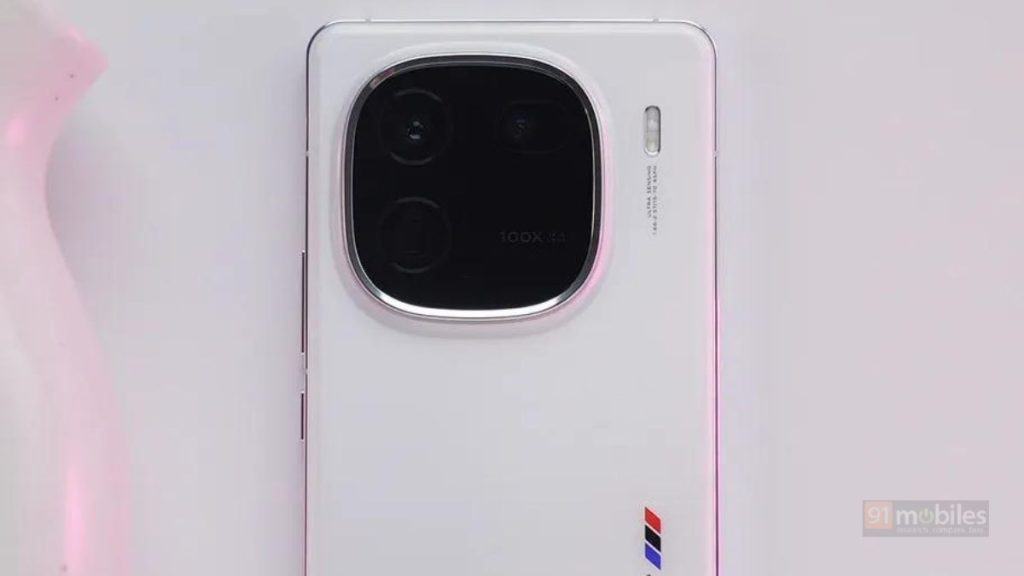
Furthermore, the Vivo phone sports 512GB/ 16GB RAM and 1TB/ 16GB RAM (no card slot). Therefore, the Realme beast wins this round with colossal RAM. Let’s move on to an optics system! In detail, The Realme GT7 Pro cameras consist of a triple 200MP primary lens + 10MP telephoto + 12MP ultrawide snapper set up on the back. Meanwhile, there is a 4MP front lens and a 10MP cover camera for selfies and video calling. Otherwise, the Vivo iQOO 13 cameras equip triple 50MP + 50MP + 40MP rear sensors. On the front-facing, it has a single 13MP for taking selfies. Therefore, the Realme beast scores this time with higher camera resolutions. Battery-wise, this Realme handset keeps the lights on with a 4700mAh juice box. In addition, the Vivo phone rocks a larger 5200mAh juice box. Today’s game looks like the Realme brand takes the prize with excellent specs.
Realme GT7 Pro vs. Vivo iQOO 13 release date and price
The Realme GT7 Pro release date should fall in the upcoming months, whereas the Vivo iQOO 13 release date occurred in April 2024. For the cost, the Realme GT7 Pro price starts at $1,249 ~ Rs. 103,893. Besides, the Vivo iQOO 13 phone price is around $1,650 ~ Rs. 137,701. Which one do you choose? Tell us in the comment section!
You May Like
-
Best Nokia Phones October 2025: 18GB RAM, 200MP Cameras!
-
Best Nokia Phones August 2025: 16GB RAM, 8800mAh Battery!
-
Best Smartphones Of 2025: 200MP Cameras, 16GB RAM!
-
Best compact phones 2025: 12GB RAM, 50MP Cameras!
-
Top Chinese Phones July 2025: 50MP Cameras, 6000mAh Battery!
-
Best smartphone launches of the week: 12GB RAM, 5000mAh Battery!
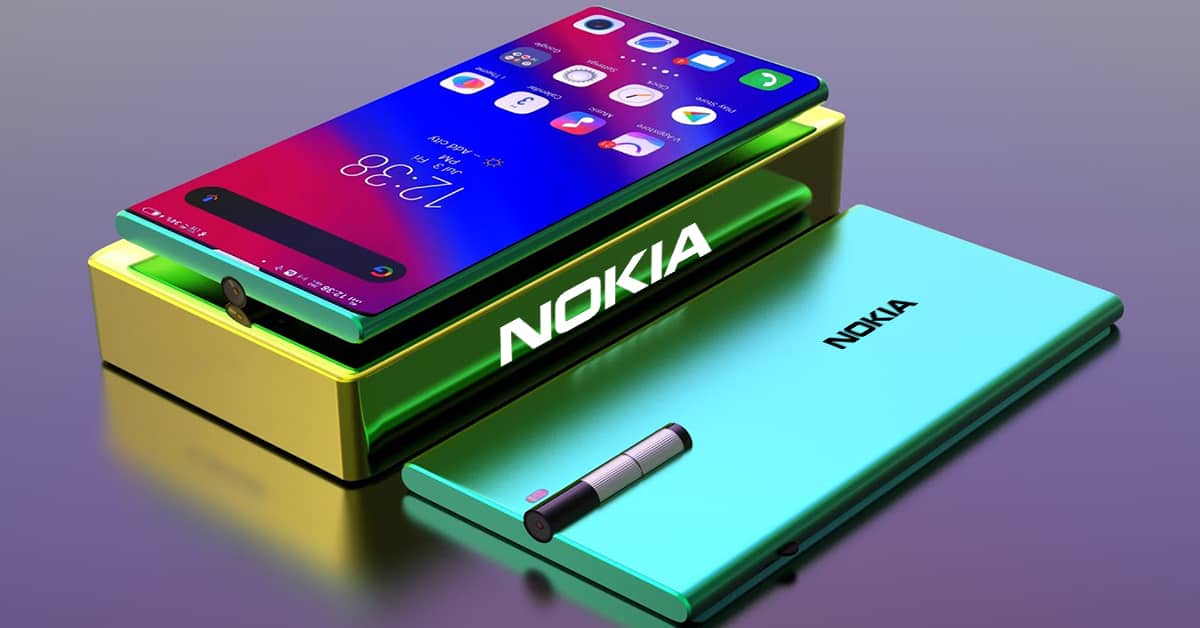
Nokia Eve vs. Vivo iQOO 13: 200MP Cameras, 7500mAh Battery!
Welcome to the battle between two beasts: Nokia Eve vs. Vivo iQOO 13 with 200MP cameras and a 7500mAh Battery. Take a tour!

Nokia Eve vs Vivo iQOO 13 specs
Nokia Eve hits the market with premium specs. Meanwhile, the Vivo iQOO 13 has a great camera system and gorgeous design. In detail, the Nokia handset uses the Qualcomm Snapdragon 8 Gen 2 chipset. Besides, the Vivo phone runs on the Qualcomm Snapdragon 8 Gen 2 chipset. With the same robust hardware, each team gets one point in the first round.
As for the operating system, both handsets run on the Android 14 version. About the display, the Nokia Eve specs flaunt a 6.8-inch Super AMOLED with 4K resolution and 120Hz refresh rate. Furthermore, Vivo iQOO 13 specs offer a 6.72-inch AMOLED with a 1440 x 3200 pixels resolution. As a result, the Nokia device comes first in this round with a higher screen size. How about the memory system?
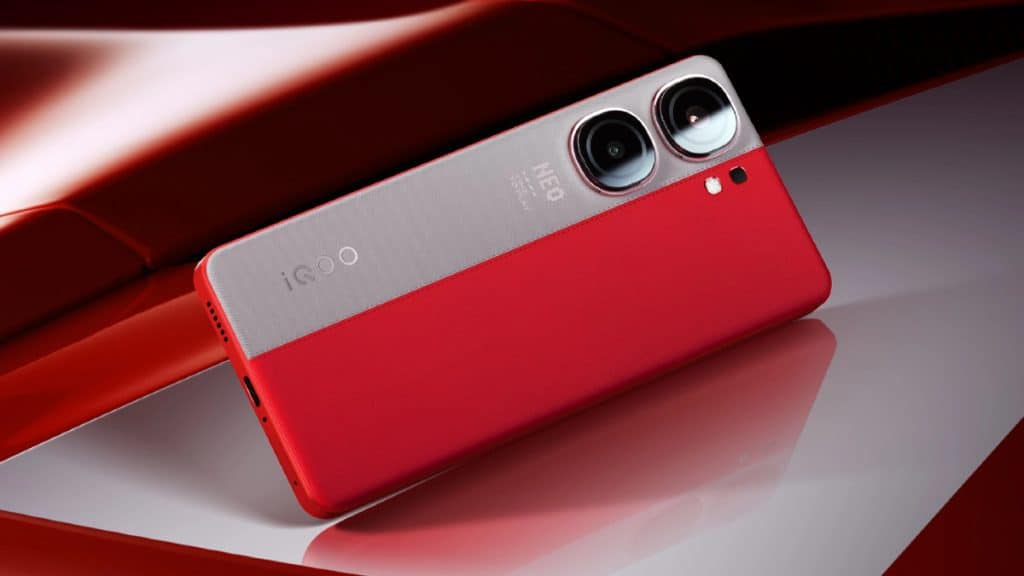
The Nokia phone sports 8GB/ 12GB/ 16GB RAM and 128GB/ 256GB/ 512GB of internal storage, which can be expandable up to 1TB via a microSD card slot. In contrast, this Vivo smartphone arrives with 8GB/ 12GB of RAM. Also, this phone offers 256GB/ 512GB of internal storage (no card slot). As for the optics department, the Nokia Eve cameras offer a quad 200MP primary sensor + 50MP telephoto + 16MP ultra-wide shooter + 5MP macro snapper with dual LED streak and a single 32MP lens for capturing selfies. Otherwise, the Vivo iQOO 13 cameras offer a triple 50MP primary lens + 2MP depth sensor + 2MP macro snapper on the back. Additionally, there is a single 32MP selfie shooter. Battery-wise, the Nokia phone arrives with a 7500mAh energy box, while the other figure is a smaller 5500mAh energy box with 68W fast charging support. Hence, the Nokia team won the last round with a massive battery and a higher-resolution camera.
Nokia Eve vs. Vivo iQOO 13 release date and price
The Nokia Eve release date should fall in the upcoming months. In addition, the Vivo iQOO 13 release date might happen soon. About the cost, the Nokia Eve price falls at $199 ~ Rs. 17,532. Besides, the Vivo iQOO 13 price starts around $342 ~ Rs. 28,488. Which one do you prefer? Let us know in the section below!
You May Like
-
Best Nokia Phones October 2025: 18GB RAM, 200MP Cameras!
-
Best Nokia Phones August 2025: 16GB RAM, 8800mAh Battery!
-
Best Smartphones Of 2025: 200MP Cameras, 16GB RAM!
-
Best compact phones 2025: 12GB RAM, 50MP Cameras!
-
Top Chinese Phones July 2025: 50MP Cameras, 6000mAh Battery!
-
Best smartphone launches of the week: 12GB RAM, 5000mAh Battery!
OnePlus 13 vs. Vivo iQOO 13: 50MP Cameras, 5000mAh Battery!
Don’t miss the thrilling competition between the OnePlus 13 vs. Vivo iQOO 13, featuring 50MP cameras and a 500mAh battery! Dive into today’s article for more information!
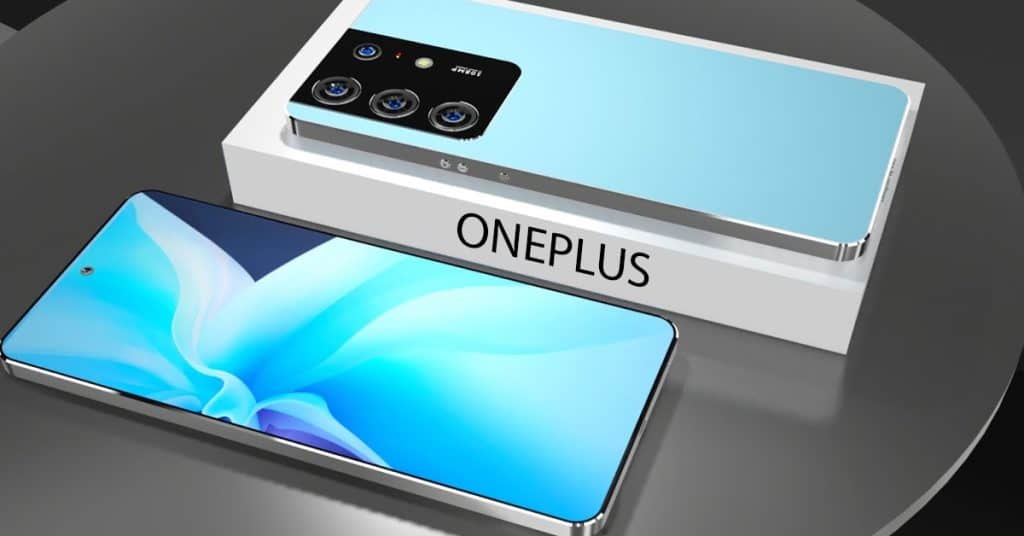
OnePlus 13 vs. Vivo iQOO 13 specs
The OnePlus 13 comes out with premium specs and a stunning design. Meanwhile, Vivo iQOO 13 is among the latest smartphone releases of this brand. In detail, the OnePlus smartphone arrives with 256GB/ 12GB RAM, 256GB/ 16GB RAM, 512GB/ 16GB RAM, 1TB/ 16GB RAM, and 1TB/ 24GB RAM (no card slot).
In contrast, the Vivo handset has 4GB RAM and 256GB of internal storage (expandable to 256GB). The OnePlus 13, a true powerhouse, takes the lead with its larger RAM. When it comes to the display, the OnePlus 13 specs boast a 6.82-inch LTPO AMOLED with a 1440 x 3168 pixels resolution and a 120Hz refresh rate.
In comparison, the Vivo iQOO 13 specs feature a 6.6-inch IPS LCD with a 720 x 1612 pixels resolution. The OnePlus 13’s larger screen size is sure to leave a lasting impression. Hardware-wise, the OnePlus handset gets power from the Qualcomm Snapdragon 8 Gen 4 chipset. The Vivo handset takes energy from the Mediatek chipset. Thus, the OnePlus team defeated the OnePlus team in this round with a more robust chipset. How about the optics system? The OnePlus 13 cameras sport a triple 50MP primary lens + 64MP periscope telephoto + 48MP ultrawide snapper on the rear and a single 32MP front-facing snapper. Otherwise, the Vivo iQOO 13 cameras rock 50MP + 0.08MP rear lens on the back and an 8MP front camera. So, with higher camera resolutions, the OnePlus phone got this point. Battery-wise, the OnePlus device has a 5500mAh capacity. Moreover, the Vivo handset flaunts a smaller 5000mAh juice box. Thanks to a massive battery, one more point belongs to the OnePlus flagship. Under the hood, the OnePlus smartphone boots on Android 14, while the Vivo device runs on Android 13 as the operating system.
OnePlus 13 vs. Vivo iQOO 13 release date and price
As we know, the OnePlus 13 release date can fall in early 2024. In contrast, the Vivo iQOO 13 release date happened in June 2024. Regarding the cost, the OnePlus 13 price is about $739 ~ Rs. 61,272. Also, the Vivo iQOO 13 price falls around $258 ~ Rs. 21,538. Which smartphone is your favorite choice? Let us know in the comment section!
You May Like
-
Best Nokia Phones October 2025: 18GB RAM, 200MP Cameras!
-
Best Nokia Phones August 2025: 16GB RAM, 8800mAh Battery!
-
Best Smartphones Of 2025: 200MP Cameras, 16GB RAM!
-
Best compact phones 2025: 12GB RAM, 50MP Cameras!
-
Top Chinese Phones July 2025: 50MP Cameras, 6000mAh Battery!
-
Best smartphone launches of the week: 12GB RAM, 5000mAh Battery!


