Author: Chris Eilers
LeEco Pro 3: new variant with 8GB RAM, 256GB ROM
Previously, LeEco Pro 3 leaked with 6GB RAM and SND 821. Now, it is unveiled again with new a version of 8GB RAM and 256GB ROM. Let’s have a look at these latest leaks!

LeEco Pro 3: new variant with 8GB RAM, 256GB ROM
Firstly, let’s talk about the basic version, with 6GB RAM. It comes with 5.5-inch Full HD resolution screen. There is a SnapDragon 821 under the hood of the phone. There is also 64GB of onboard storage, which can be expanded to 256GB. For photography, it sports a 16 MP camera on the rear, together with an 8MP front shooter for selfies. Additionally, the phone will be backed up with 4070 mAH battery.
Besides, LeEco also brings users a higher version, with many overkill specs. It comes with the same SND 821 under the hood, but with an 8GB RAM. There is 256 GB of internal storage, along with a huge screen with 5.7-inch in size and 2K resolution. The battery of this version is also bigger, with 5000 mAh capacity. Lastly, the company plans to add a dual 13MP camera on the rear of the phone. On the front, there is a 16MP camera for selfies.

If the report is true, we’ll see the first 8GB RAM smartphone in the world market. With those internal assets, LeEco Pro 3 stands out among all flagships at the present, when they offer from 2-4 GB RAM. The internal components of the phone are even higher than some laptops’ processor.
LeEco Pro 3 price and launch date speculation
Although the phone has been leaked with almost all specs, LeEco Pro 3 price is still a mystery. The Chinese brand is planning to introduce their phone on 21 September. We will receive the confirmation of the 8GB RAM and 256GB ROM version during the event. So, stay tuned and follow our page to keep yourself updated!
You May Like
-
 Sony Xperia Ultra Max Pro Specs: 200MP Cameras, 19100mAh Battery!
-

-
Nokia Joker 2026 Specs: 200MP Cameras, 9800mAh Battery!
-
Nokia Horizon 2026 Specs: 200MP Cameras, 12800mAh Battery!
-
 Nokia Titan 2026 Specs: 16GB RAM, 9700mAh Battery!
-
Redmi Note 15 Series Goes Global With 200MP Cameras, 6580mAh Battery, Price!
Top 10 Cost-effective Smartphones voted by Antutu: 5000mAh batt, 21MP cam
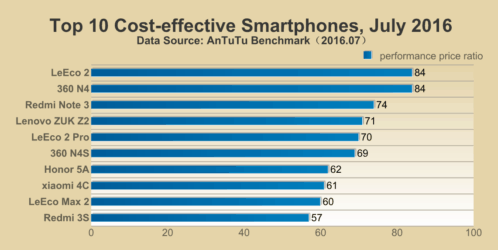
Among a lot of handsets in the market right now, Antutu has been able to pick out top 10 cost-effective smartphones. It means that they have excellent performances but do not cost an arm and a leg.

1. LeEco Le 2
First of all, it’s LeEco Le 2 with the highest performance price ratio of 83.7. Moreover, the phone has a great Antutu score of 92,033 thanks to sporting a 5.5-inch Full HD IPS LCD screen, a EUI 5.6 based on Android 6.0 Marshmallow OS out of the box, a deca-core Helio X20 or octa-core Snapdragon 652 chipset, 32GB ROM (non-expandable), and 3GB RAM.
Additionally, LeEco Le 2 specs include a good combo of 16MP rear-facing (with f/2.0, PDAF, plus dual LED flash) + 8MP front (with f/2.2, 1.4 µm pixel size, plus 1080p) camera to assist users in capturing things, Dolby Atmos technology to create excellent sounds, and a decent 3,000mAh battery supported by Quick Charge 2.0 to fuel the entire device. All you need to pay is 1,099 Yuan or around $165. Cool, huh?!
2. Qiku 360 N4
The second spot belongs to 360 N4, costing 999 Yuan or $150 and scoring 83.4 for the performance price ratio and 83,268 Antutu points. It follows closely behind the Le 2 and claims the top position as well. In terms of 360 N4 specs, there are a 5.5-inch Full HD display, an octa-core 64-bit MediaTek Helio X20 chip set, Android 6.0 Marshmallow OS with 360 OS on top, a 13MP main + 5MP secondary snapper package, a 3,080mAh cell, 4GB of RAM coupled with 32GB of internal memory (expandable up to 128GB).

3. Xiaomi Redmi Note 3
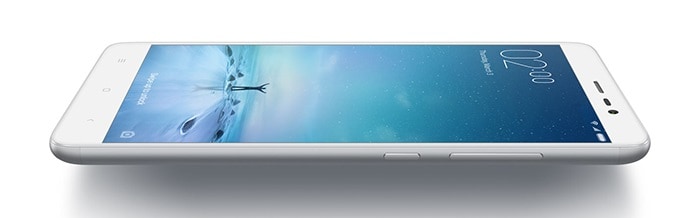
Xiaomi Redmi Note 3 comes at third place, which is not surprising at all. Spec-wise, it packs a 5.5-inch Full HD screen, MIUI 7.0 based on Android 5.0.2 Lollipop OS, a Helio X10 octa-core 2.0GHz chip, a 13MP primary + 5MP selfie shooter set, and 2 choices over ROM and RAM capacity: 16GB + 2GB (899 Yuan or $135) and 32GB + 3GB (1,099 Yuan or $165). Specially, despite being a budget device, Xiaomi Redmi Note 3 offers a generous 4,000mAh batt supported by fast charging tech.

4. Lenovo ZUK Z2
Next is Lenovo ZUK Z2. It is equipped with a handy 5.0-inch Full HD LTPS IPS LCD display, ZUI 2.0 based on Android 6.0.1 Marshmallow OS, a Snapdragon 820 chip set, 64GB of internal memory (non-expandable), 4GB RAM, a 3,500mAh battery with Quick Charge 3.0, and a package of 13MP rear + 8MP front-facing cam. Those are powerful features for a smartphone and you can count on it to perform all tasks well. Lenovo ZUK Z2 price is 1,799 Yuan or $270.
5. LeEco Le 2 Pro
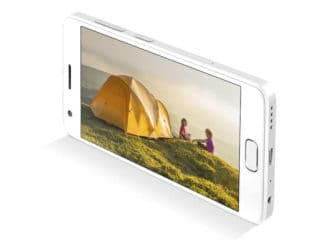
Continuing the list is another LeEco phone: Le 2 Pro. It boasts a 5.5-inch Full HD screen, Android 6.0 Marshmallow OS with eUI 5.6 UI on top, a Helio X25 deca-core chipset, 32GB of non-expandable ROM, 4GB of RAM, Dolby Atmos technology, and a 3,000mAh cell. Specially, LeEco Le 2 Pro specs contain a gorgeous set of 21MP primary (with f/2.0, PDAF, and dual LED flash) + 8MP secondary (with f/2.2 and 1080p) shooter to take pictures. Those who love photography should consider this machine as it just costs 1,499 Yuan or $225.
6. 360 N4S
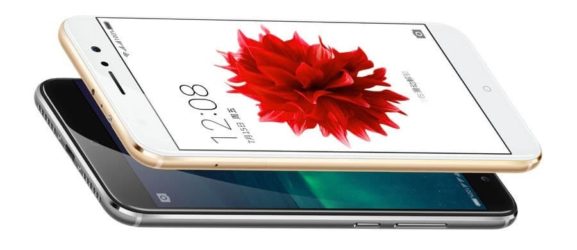
Coming up next is the 360 N4S with performance price ratio of 69 and 83,094 Antutu points. Spec-wise, it is powered by a MediaTek Helio X20 processor, 4GB RAM, 32GB/64GB ROM, a 5.5-inch Full HD IPS display, a massive 5,000mAh battery supporting 9V/1.5A fast charger, 360 2.0 OS based on Android 6.0 Marshmallow OS, and a 16MP Samsung ISOCELL sensor on the back together with an 8MP one on the front to help take photos. 360 N4S price is 1,199 Yuan or $180.
7. Huawei Honor 5A
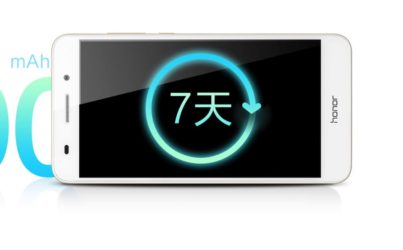
Ranking 7th is Huawei Honor 5A, equipped with a 5.5-inch HD screen, EMUI 4.1 based on Android 6.0.1 Marshmallow OS, Snapdragon 617 processor, 2GB RAM, 16GB ROM (expandable), a 13MP rear + 8MP front camera combo, and a 3,100mAh batt. This is obviously a mid-ranger, yet it was able to defeat others in its kind to appear in Antutu’s list because of good performances and cost. 699 Yuan or $105 is Huawei Honor 5A price.
8. Xiaomi Mi4C
Xiaomi Mi4C is the 8th smartphone. It packs a 5.0-inch Full HD display, MIUI 7.0 based on Android 5.1.1 Lollipop OS, a Snapdragon 808 chip, and 2 options over ROM and RAM capacity: 16GB + 2GB and 32GB + 3GB. Besides, a 13MP main + 5MP selfie camera package and a 3,080mAh batt are also included in Xiaomi Mi4C specs to take pics and fuel the phone. Xiaomi Mi4C price is $219.99 for those who want to purchase it.

9. LeEco Le Max 2
Yeah, LeEco Le Max 2 is the only 6GB RAM smartphone here and it ranks 9th. Spec-wise, no doubt it houses many stellar features to run the whole machine such as a 5.7-inch 2K LTPS IPS LCD display, eUI 5.6 based on Android 6.0 Marshmallow OS, a 21MP + 8MP snapper duo, a Snapdragon 820 chip, Dolby Atmos tech, 3,100mAh cell with Quick Charge 2.0, 32/64/128GB of non-expandable ROM, and 4/6GB of RAM. LeEco Le Max 2 price is 2,499 Yuan or $375 for the 6GB RAM + 64GB ROM model and 2,099 Yuan or $315 (or even below due to a price cut in China) for the 4GB + 32GB.

10. Xiaomi Redmi 3S
Last but not least, we’ve got Xiaomi Redmi 3S, with performance price ratio of 57 and 39,744 Antutu points. Spec-wise, it’s got a handy 5.0-inch HD screen, MIUI 8 based on Android 6.0.1 Marshmallow OS, a Snapdragon 430 processor, 2GB RAM, 16GB ROM (expandable), a 13MP + 5MP cam set, and a big 4,100mAh battery with fast charging tech. Xiaomi Redmi 3S price is 699 Yuan or $105.
The above smartphones are the best in terms of being cost-effective, according to Antutu. So, if you wanna buy a new machine, take them into consideration. They won’t let you down!
You May Like
-
Sony Xperia Ultra Max Pro Specs: 200MP Cameras, 19100mAh Battery!
-
-
Nokia Joker 2026 Specs: 200MP Cameras, 9800mAh Battery!
-
Nokia Horizon 2026 Specs: 200MP Cameras, 12800mAh Battery!
-
Nokia Titan 2026 Specs: 16GB RAM, 9700mAh Battery!
-
Redmi Note 15 Series Goes Global With 200MP Cameras, 6580mAh Battery, Price!
Nokia P1 vs Nokia E1: Upcoming Nokia phones with 20MP+ camera
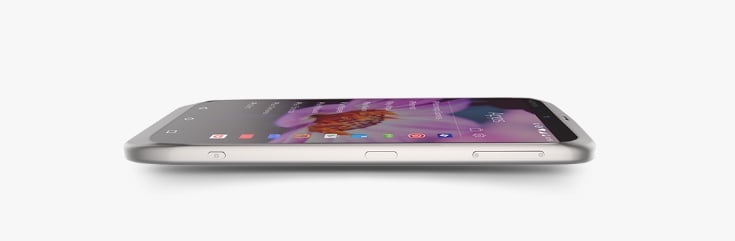
Nokia is never an old topic. As this brand is about to make a comeback at the end of this year, we would like to make a comparison between two reportedly new phones the company is going to launch, Nokia P1 vs Nokia E1!
Nokia P1 vs Nokia E1: Upcoming Nokia handsets
First of all in this Nokia P1 vs Nokia E1 battle, let’s mention the CPU and the RAM. Nokia P1 is expected to run one of the latest and most impressive chipsets from Qualcomm – Snapdragon 820. Along with it is an ample 3GB RAM. On the other hand, Nokia E1 is reported to house a 2.3GHz Intel 64-bit Atom processor and 2GB RAM. So in terms of performance, Nokia P1 is a bit stronger, but it doesn’t mean Nokia E1 is a bad choice!
Next in this Nokia P1 vs Nokia E1 competition, let’s evaluate the camera. According to the latest leaks, Nokia P1 will possibly arrive with a 22.6MP primary camera and a 5MP selfie snapper. Meanwhile, a 20MP camera and the same 5MP front facing snapper are hinted to be present in Nokia E1. We are not sure whether the main shooters of both phone will feature PureView technology, but it is likely that will be the case. After all, it is Nokia’s trademark technology that makes many people love Nokia smartphones.
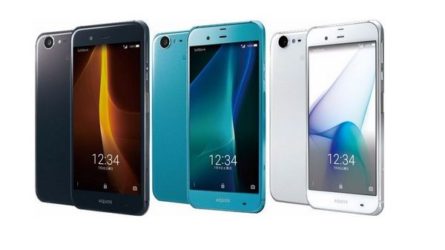
So what about other Nokia P1 specs and Nokia E1 specs? Accordingly, both of these Nokia phones will arrive with the same internal storage: 32GB. However, they sport different screens and batteries. To be more specific, in Nokia P1, there will be a 5.3-inch full HD display and a 3000mAh battery. In Nokia E1, there will be a 4.95-inch screen and a 2700mAh cell.
Nokia P1 vs Nokia E1: Which one is better?
So based on the specs below, we can easily see that Nokia P1 is the better one. Too bad there’s no information about Nokia P1 price and Nokia E1 price yet, but as reported, Nokia P1 will be aimed at the high-end segment while Nokia E1 will attack the mid-range one. That somehow explains why Nokia E1 specs are not as powerful as Nokia P1 specs. Let’s wait until these Nokia mobiles become official and we will see which one is more popular.
You May Like
-
Sony Xperia Ultra Max Pro Specs: 200MP Cameras, 19100mAh Battery!
-
-
Nokia Joker 2026 Specs: 200MP Cameras, 9800mAh Battery!
-
Nokia Horizon 2026 Specs: 200MP Cameras, 12800mAh Battery!
-
Nokia Titan 2026 Specs: 16GB RAM, 9700mAh Battery!
-
Redmi Note 15 Series Goes Global With 200MP Cameras, 6580mAh Battery, Price!
10 best 4GB RAM phones for playing games: huge 6.0 inch, 128GB ROM
These are 10 best phones equipped with beautiful big screens, 4GB RAM and 4,000mAh++ batteries for you to play games. They’re gonna give you good experience. So, check them out now!

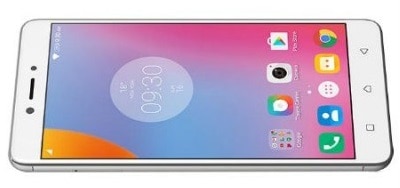
1. Lenovo K6 Note
This is one of the newest smartphones of the manufacturer. It features a 5.5-inch Full HD display, a Snapdragon 430 octa-core 1.5GHz chip, 32GB of internal storage (expandable up to 128GB) paired with 3/4GB RAM, a big 4,000mAh battery, and Android 6.0 Marshmallow OS.
Those Lenovo K6 Note specs will help you play games smoothly. Moreover, the handset sports a great combo of 16MP rear (with PDAF plus dual CCT flash) + 8MP front-facing camera to assist users in taking pictures and stellar speakers enhanced with Dolby Atmos tech to deliver ultimate cinema sound experience.
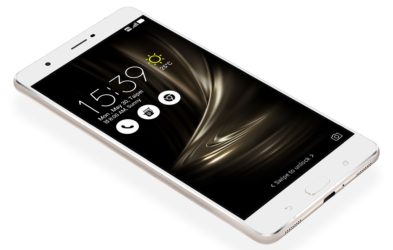
2. ASUS ZenFone 3 Ultra
Next is ASUS ZenFone 3 Ultra, a real cool phablet for playing games you need to know. Its screen measures 6.8 inches with Full HD resolution and an IPS LCD panel. So, your fingers would be more comfortable when moving on the display, rite?! Other ASUS ZenFone 3 Ultra specs are also strong: ASUS ZenUI 3.0 based on Android 6.0.1 Marshmallow OS, a Snapdragon 652 octa-core (4 x 1.8GHz & 4 x 1.4GHz) chipset, 32/64/128GB of expandable ROM, 4GB of RAM, and a 4,600mAh batt with Quick Charge 3.0 technology.
3. Huawei Honor Note 8
Thirdly, let’s meet Huawei Honor Note 8. Yeah, it’s a Note, so we are not surprised to see a huge 6.6-inch 2K Super AMOLED display getting on board. Under the hood, there are a Kirin 955 octa-core (4 x 2.5GHz & 4 x 1.8GHz) chip set, a 4,500mAh cell, EMUI 4.1 based on Android 6.0.1 Marshmallow OS, 4GB RAM coupled with 32/64/128GB of internal memory (expandable) in charge of running the whole machine. Additionally, Huawei Honor Note 8 specs offer DTS sound tech to give excellent sounds to users. As a result, your games would be so lively. Huawei Honor Note 8 price is around $350, a very affordable cost for a smartphone like that, huh?!

4. Lenovo P2
Coming up next is another new Lenovo phone called Lenovo P2. It packs a 5.5-inch Full HD Super AMOLED screen, Android 6.0 Marshmallow OS, a Snapdragon 625 octa-core 2.0GHz processor, a 13MP + 5MP cam set, and a massive 5,100mAh battery with fast charging tech. Besides, please note that you have many choices over RAM and ROM capacity: 3GB + 32GB, 4GB + 32GB, and 4GB + 64GB.

5. HP Elite x3
Number 5 is HP Elite x3, the only Window phone as well as a very outstanding one in the market now. Spec-wise, x3 carries a 5.96-inch Quad HD display, Windows 10 OS, a Snapdragon 820 quad-core (2 x 2.15GHz & 2 x 1.6GHz) chip, Bang & Olufsen speakers, a 4,150mAh cell, 64GB of internal storage (expandable), and 4GB RAM. Those are gorgeous features and you won’t have to worry about the handset’s performance in anything. To own this premium machine, you will need at least $700.

6. Gionee M6 Plus
Gionee M6 Plus is the next device we would like to introduce to you. It houses many a 6.0-inch Full HD AMOLED screen, a Helio P10 octa-core (4 x 2.0GHz & 4 x 1.0GHz) processor, 64/128GB of expandable ROM, 4GB of RAM, Amigo 3.5 based on Android 6.0 Marshmallow OS, and a very generous 6,020mAh batt supported by fast charging tech to be basic. In general, Gionee M6 Plus is a great candidate you should take into consideration when it comes to buying a gaming smartphone. Gionee M6 Plus price is 2,999 Yuan ($449) for the 64GB version and 3,199 Yuan ($479) for the 128GB.

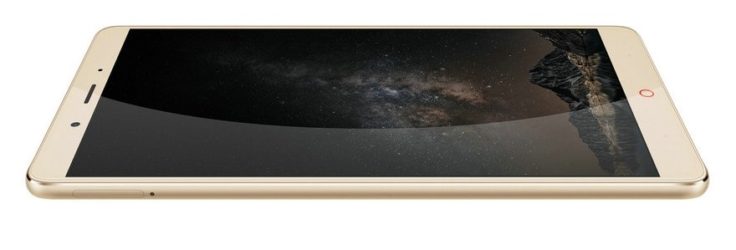
7. ZTE Nubia Z11 Max
Continuing our list is ZTE Nubia Z11 Max equipped with a big, beautiful 6.0-inch Super AMOLED Full HD display. Other ZTE Nubia Z11 Max specs are also very powerful to give you smooth gaming performances: a Snapdragon 652 octa-core (4 x 1.8GHz & 4 x 1.4GHz) chipset, 64GB ROM (expandable), 4GB RAM, Android 5.1.1 Lollipop OS with Nubia UI 3.9.9 on top, a 16MP + 8MP shooter package, a 4,000mAh cell allowing 2.82 days of regular usage and 1.76 days of heavy usage, and Quick Charge 3.0 technology. ZTE Nubia Z11 Max price is around $305 if you want to purchase it.
8. OPPO R9 Plus
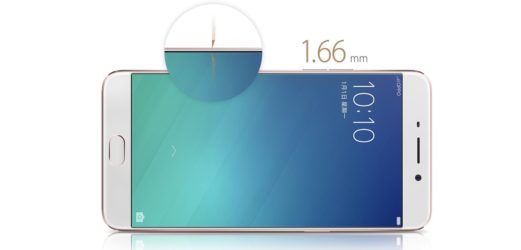
OPPO R9 Plus is a selfie-centric device but it’s also a strong one for playing games. Speaking specifically, OPPO R9 Plus specs include a 6.0-inch Full HD screen, Color OS 3.0 based on Android 5.1 Lollipop OS, a Snapdragon 652 octa-core (4 x 1.8GHz & 4 x 1.2GHz) chip set, 64/128GB of expandable ROM, 4GB of RAM, and a 4,120mAh battery with VOOC Flash Charge technology (75% in 30 minutes). OPPO R9 Plus price is 3,299 Yuan ($507).
9. Xiaomi Mi Max
Number 9 is Xiaomi Mi Max, an elegant smartphone for playing games. Spec-wise, it boasts 6.44-inch Full HD ISP LCD screen, MIUI 7 based on Android 6.0 Marshmallow OS, a Snapdragon 650 (4 x 1.4GHz & 2 x 1.8GHz) or SD 652 (4 x 1.8GHz & 4 x 1.4GHz) processor, a 16MP main + 5MP secondary snapper combo, and a 4,850mAh cell. At the moment, Xiaomi Mi Max price for the SD 650 + 3GB RAM + 32GB ROM model is 1,299 Yuan (around $195) after an official price cut in China. Meanwhile, prices of other versions like SD 652 + 3GB RAM + 64GB ROM (1,699 Yuan or $255) and SD 652 + 4GB RAM + 128GB ROM (1,999 Yuan or $300) will be remained.

10. Samsung Galaxy A9 (Pro)
Finally, we’ve got Samsung Galaxy A9 Pro (2016). It’s definitely one of the best phablets of the firm due to its cool combination of specifications and cost. In terms of Samsung Galaxy A9 Pro (2016) specs, it has a 6.0-inch Full HD Super AMOLED screen, Android 6.0.1 Marshmallow OS, a Snapdragon 652 octa-core (4 x 1.8GHz & 4 x 1.4GHz) chip, 32GB ROM (expandable), 4GB RAM, a set of 16MP primary + 8MP selfie camera, and a generous 5,000mAh batt with fast charging tech. Samsung Galaxy A9 Pro (2016) price is around $480.

Okay, they are 10 best phones for playing games we would like to show you. All of them have powerful 4GB of RAM, beautiful 5.5-inch Full HD displays, and huge batteries. Then, what do you think about them? Share with us!
You May Like
-
Sony Xperia Ultra Max Pro Specs: 200MP Cameras, 19100mAh Battery!
-
-
Nokia Joker 2026 Specs: 200MP Cameras, 9800mAh Battery!
-
Nokia Horizon 2026 Specs: 200MP Cameras, 12800mAh Battery!
-
Nokia Titan 2026 Specs: 16GB RAM, 9700mAh Battery!
-
Redmi Note 15 Series Goes Global With 200MP Cameras, 6580mAh Battery, Price!
FIFA 17 Demo is coming this week
If you are football lover, don’t skip FIFA 17. This is the latest version of FIFA game, the most famous sport-games at the present. From EA Sport’s plan, they will launch a demo of the game this month, with the appearance of the club MU and their manager Jose Mourinho.

FIFA 17 Demo to come this week
EA Sport has announced a demo of FIFA 17 this month. The official version also comes at the end of this month. That means you can experiment this famous football game soon. Especially, Jose Mourinho – the manager of MU club, is also a representative for the launch of FIFA 17. The demo will be available on Play Station 4, Xbox One, and PC.
One of the new features of FIFA 17 is Journey mode. In this mode, gamers can become Alex Hunter – a rising star of Manchester United. Your role is helping his team to win all matches, especially Premier League and UEFA Champions League. That is good news for MU’s fans, who want to rock Champions League with MU and Mourinho.

Like FIFA 16, there is a Kick Off mode where gamers can access the matches quickly, and you can practice your skills while the match is loading. Specifically, there are 3 new multiplayer and 4 new single-player skill games. Besides, you’ll be able to play with one of 12 soccer teams around the world, along with 3 stadiums (Stamford, CenturyLink, and Suita City) in this demo.
FIFA 17 official launch date
As EA sport’s plan, they will launch a demo of FIFA 17 on September 13. Meanwhile, the official version is confirmed to come on September 27. The game will be available on Xbox One, PlayStation 4, Xbox 360, and PC. Additionally, FIFA 17 is planned to hit Asia store on Thursday, September 29. So, it takes about a half of month to try out of the famous game. Are you ready to be the new champion with FIFA 17?
You May Like
-
Sony Xperia Ultra Max Pro Specs: 200MP Cameras, 19100mAh Battery!
-
-
Nokia Joker 2026 Specs: 200MP Cameras, 9800mAh Battery!
-
Nokia Horizon 2026 Specs: 200MP Cameras, 12800mAh Battery!
-
Nokia Titan 2026 Specs: 16GB RAM, 9700mAh Battery!
-
Redmi Note 15 Series Goes Global With 200MP Cameras, 6580mAh Battery, Price!
Samsung Galaxy S8 specs: 4GB RAM, dual 12+MP camera
After Note 7, Samsung is working on the next generation of Galaxy S series – Galaxy S8. Samsung Galaxy S8 specs will include 4GB RAM, 5.5-inch 4K display…

Samsung Galaxy S8 specs: 4GB RAM, 5.5-inch 4K display
The recall of Galaxy Note 7 makes Samsung face the financial damage as well as reputation. That might be the reason why this company will launch the next phone of Galaxy S series (Galaxy S8) sooner than usual. So, let’s have a look at this phone. About the design, the company will still use the combination of glass and metal on S8 like S7 and S7 Edge. The noticeable thing is that there will be no flat-screen display version anymore. Galaxy S8 will only come with a curved-screen display model.
In terms of Samsung Galaxy S8 specs, it will be powered by SND 830 (or at least 821) chipset for the US, and Exynos 8893 for the international version. It could pack 4/6GB of RAM paired with 32GB of inbuilt storage, with the option to expand. This new device might come in 2 screen size versions: 5.1 inches and 5.5 inches. Both versions will have a Super AMOLED 4K Ultra HD display with great pixel density (about 831 – 847ppi). With this display, S8 could probably be used with Daydream VR project of Google.
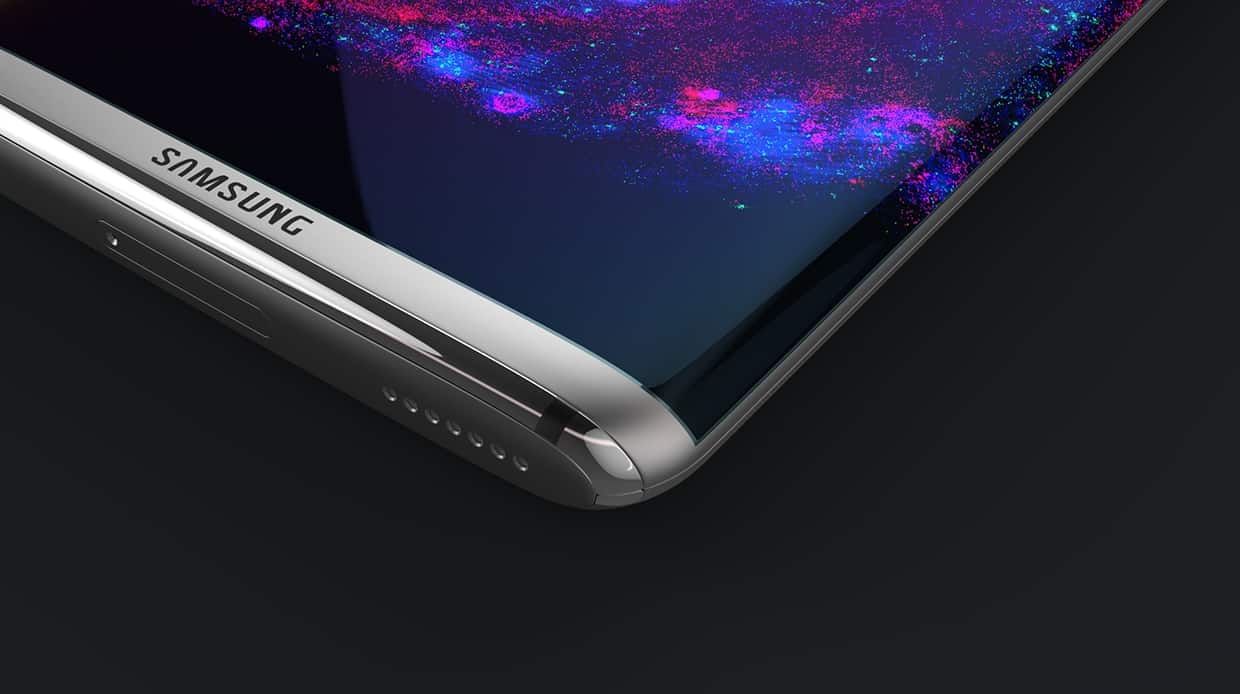
One of the most impressive of Galaxy S8 specs is its cameras. With this new flagship, Samsung is reported to add a dual camera on the back of S8. These two cameras will have 2 different sensors. One will come with a 12MP Samsung sensor, the other will be 13MP Sony sensor. On the front, you’ll find an 8MP snapper. This device will run on Android Nougat. Of course, the high-end Galaxy S8 will feature an iris scanner on the front like Note 7.
Samsung Galaxy S8: price and release date
Usually, Samsung will launch their Galaxy S flagship in the first quarter each year. Now, due to the loss from Galaxy Note 7 recall, the Korean company might release this device earlier. Samsung Galaxy S8 release date is expected to be ahead of March 2017. About Samsung Galaxy S8 price, it can come between $649-699 for the 5.1-inch version and $749-$799 for the 5.5-inch model. So, let’s see if this phone can go beyond our expectations.
You May Like
-
Sony Xperia Ultra Max Pro Specs: 200MP Cameras, 19100mAh Battery!
-
-
Nokia Joker 2026 Specs: 200MP Cameras, 9800mAh Battery!
-
Nokia Horizon 2026 Specs: 200MP Cameras, 12800mAh Battery!
-
Nokia Titan 2026 Specs: 16GB RAM, 9700mAh Battery!
-
Redmi Note 15 Series Goes Global With 200MP Cameras, 6580mAh Battery, Price!
BLU Vivo 5R: 3GB RAM, octa-core for affordable price
Recently, BLU announced their new smartphone called BLU Vivo 5R. This could be a “refreshed version” of Vivo 5R from February, with some minor differences. The phone comes with appealing specs: 5.5-icnh, 3GB RAM, and …
BLU Vivo 5R specs: a refreshed version of Vivo 5
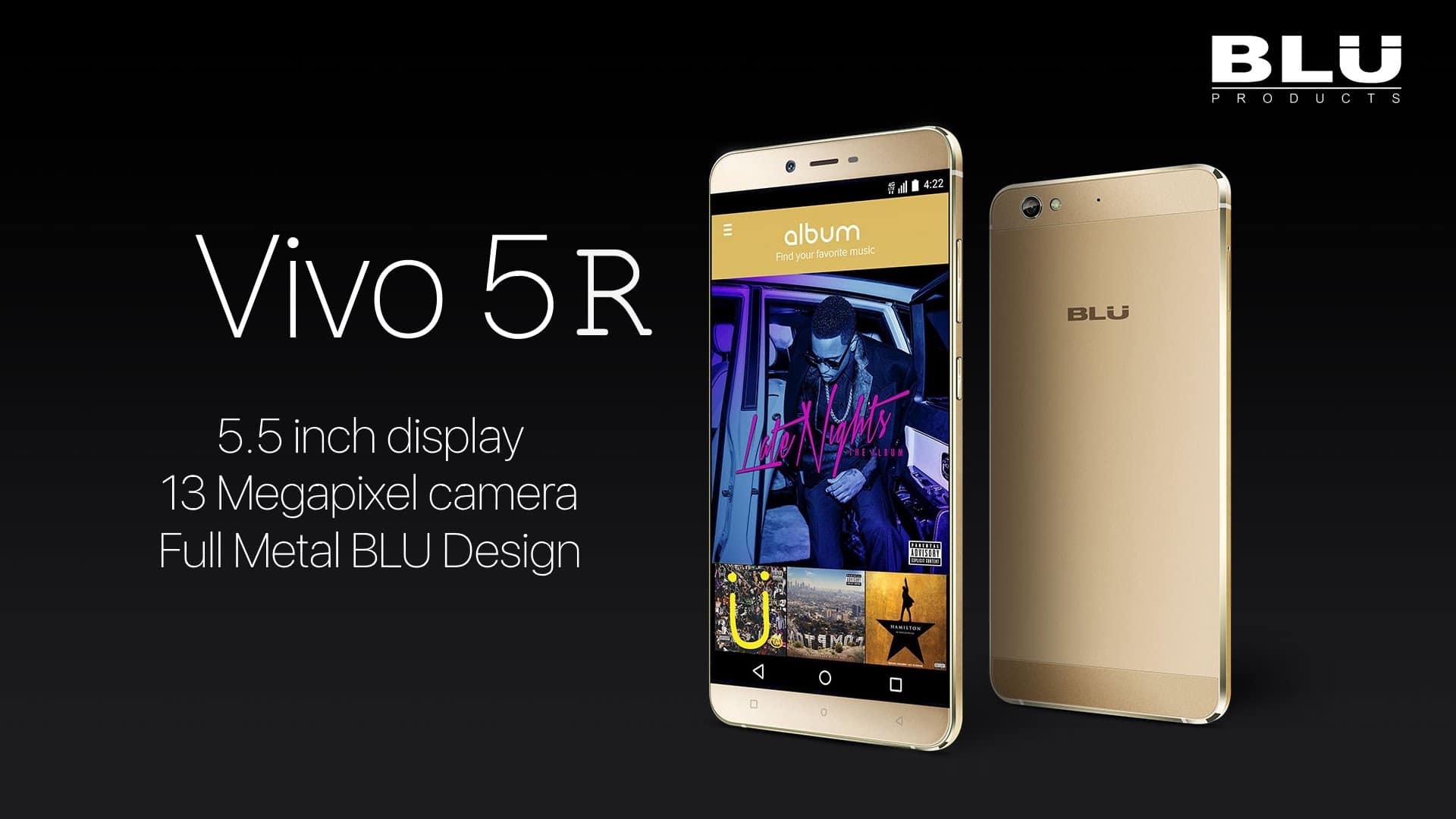
First, don’t mistake BLU Vivo brand with Vivo brand! BLU Vivo is an America mobile phone manufacture located in China. The brand produces budget smartphones for users and now, they are back in the budget segment with a new phone: BLU Vivo 5R. The phone will make you remember another BLU phone – Vivo 5. Honestly, BLU Vivo 5R could be a “refreshed version’ of BLU Vivo 5, considering what the phone offers.
This new phone comes with a 5.5-inch screen with Full HD resolution. For photography, it sports a 13 MP rear camera with Sony IMX258 sensor, supported by phase detection autofocus and LED flash. There is an 8 MP front shooter for selfies with LED flash as well. Under the hood, it is powered by 1.3 GHz Octa-core MediaTek MT6753 paired with 3GB RAM. In addition to BLU Vivo 5R specs, it comes with 32GB ROM (extendable), 4G, a 3150 mAh battery, and a fingerprint scanner on the back. It will be working on Android 6.0.1 Marshmallow.
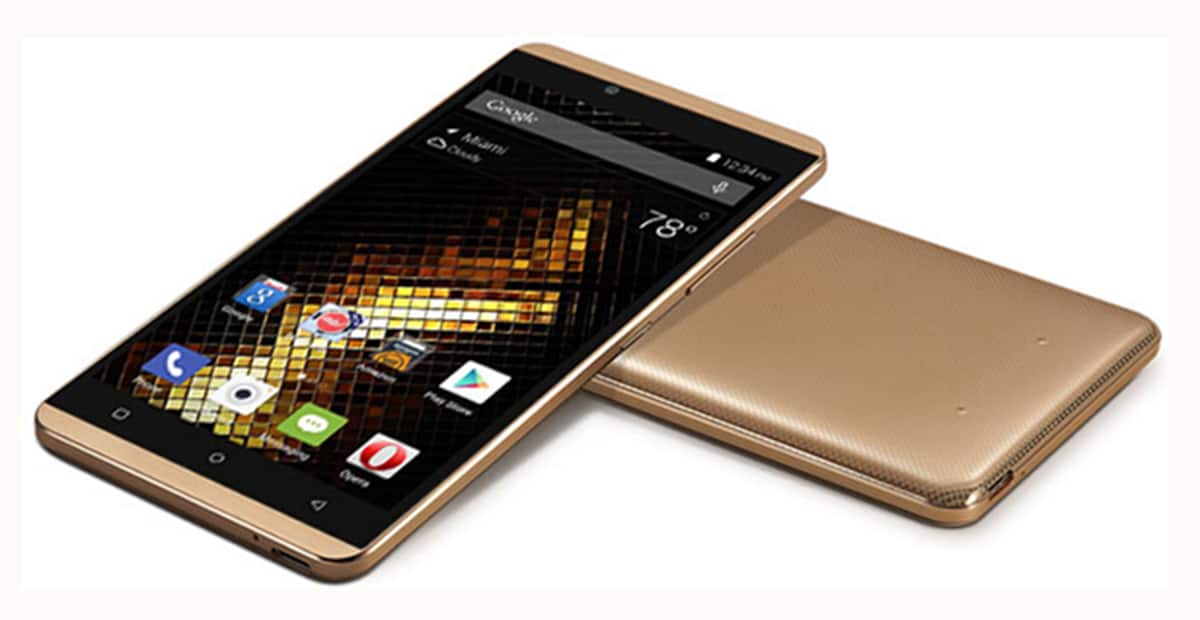
Compared to Vivo 5, the Vivo 5R comes with some enhanced specs. One of those is the front camera (8MP >5MP), which allows you to take better selfies. The next feature to be improved over Vivo 5 is fast charging technology, which helps to save time in charging the battery.
BLU ViVO 5R price and release date
BLU Vivo 5R is now available on Amazon for pre-order. The price confirmed on Amazon at $199.99. According to BLU’s plan, this phone will be launched officially on September 21. In addition, you have two color options, Gun Metal Grey and White-Gold. With all decent specs above and affordable price, BLU Vivo 5R is a tough rival in the mid-range segment.
You May Like
-
Sony Xperia Ultra Max Pro Specs: 200MP Cameras, 19100mAh Battery!
-
-
Nokia Joker 2026 Specs: 200MP Cameras, 9800mAh Battery!
-
Nokia Horizon 2026 Specs: 200MP Cameras, 12800mAh Battery!
-
Nokia Titan 2026 Specs: 16GB RAM, 9700mAh Battery!
-
Redmi Note 15 Series Goes Global With 200MP Cameras, 6580mAh Battery, Price!
Fully explained: five phone battery technologies
Phones come with different types of batteries. Each of them has distinct specs differences. Here are the five phone battery technologies that you should know about:
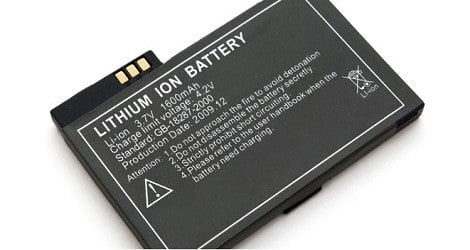
1. Lithium-Ion
The lithium-ion batteries (Li-ion batteries) have lithium ions that go from negative to positive electrodes when the battery is used and go in opposite direction when the battery is being charged. This type of battery does not have the ‘memory effect’. The ‘memory effect’ implies that a given battery will slowly lose its total battery capacity when the battery isn’t fully discharged when used.
In general, Li-ion batteries use advanced technology, which offers impressively high charge capacities in respect to their actual sizes and weights. On the other hand, this results in lithium-ion batteries having fairly higher price. They are not very compatible with older models of mobile phones, and are used mainly in modern smartphone.
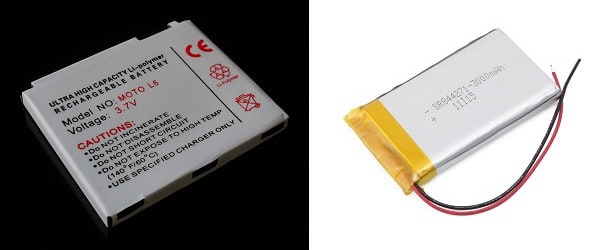
2. Lithium Polymer
The lithium polymer batteries (LiPo batteries) are batteries that use lithium-ion technology inside soft/flexible external container, which is also called “polymer casing”. The battery comes with a plastic container, and it is often in the form of a soft pouch. As a result, the lithium polymer batteries are more lightweight, less rigid and theoretically slimmer and smaller. These batteries are also safer for usage than other types. Similarly to Li-ion batteries, the LiPo batteries do not suffer from ‘memory effect’. Furthermore, they can have 1.4 times larger capacities than some other phone battery technologies with same sizes (specifically: the nickel cadmium batteries).
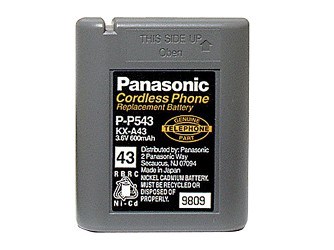
3. Nickel Cadmium
The nickel cadmium batteries (Ni-Cd or NiCad batteries) are batteries that have electrodes that use nickel oxide hydroxide and metallic cadmium. Phone producers have ceased to use the Ni-Cd batteries for two main reasons: memory effect and material toxicity. Firstly, the batteries need to be completely discharged before they can be charged again. In case of re-charging when the battery isn’t fully used up, the battery would end up breaking down due to decreases in its capacity and life span. Secondly, the components of nickel cadmium batteries are toxic. Therefore, they need to be treated very carefully when they are being disposed of, which is a problem itself.
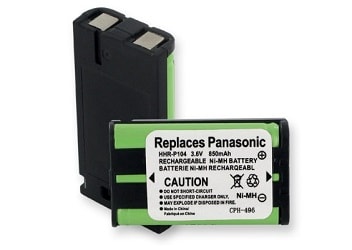
4. Nickel Metal Hydride
Nickel metal hydride baterries (NiMH batteries) are similar to Ni-Cd batteries in the use of nickel oxide hydroxide for positive electrodes, but are different from Ni-Cd batteries in the use of a hydrogen-absorbing alloy for negative electrodes. The NiMH battery can run about 30%-40% longer than a Ni-Cd battery, and it can contain 2 to 3 times as much capacity as a Ni-Cd battery of the same size. It is calculated that a nickel metal hydride battery have energy density close to that of lithium-ion battery. Unfortunately, the NiMH batteries also suffer from the ‘memory effect’ but with smaller degree than Ni-Cd batteries. However, the components aren’t toxic. These batteries are widely used as one of the most affordable and safe phone batteries out there.

5. New Lithium-ion Microbattery
With the phone battery technologies listed above, we can see where the general direction that the battery technology is heading. The researchers and developers want batteries that have better capacity, energy density and life span. However, at the same time they want batteries that are environmentally friendly and affordable. The focus now is one the improvement of lithium-ion batteries by the use of nano-architecture. The new lithium-ion microbatteries are said to be many times stronger and more durable, and built in a smaller size. Some technological prototypes of this concept have been created. However, they are all still in the research and development phases.
With how the fast-growing and fast-changing technology is, it won’t be a surprise that we will soon witness another technological advancement regarding the phone batteries. Let us know what do you think about the list!
You May Like
-
Sony Xperia Ultra Max Pro Specs: 200MP Cameras, 19100mAh Battery!
-
-
Nokia Joker 2026 Specs: 200MP Cameras, 9800mAh Battery!
-
Nokia Horizon 2026 Specs: 200MP Cameras, 12800mAh Battery!
-
Nokia Titan 2026 Specs: 16GB RAM, 9700mAh Battery!
-
Redmi Note 15 Series Goes Global With 200MP Cameras, 6580mAh Battery, Price!
Lenovo Vibe P2 VS Asus Zenfone 3: 4GB RAM beasts
Lenovo Vibe P2 is one of the most awaited phones of the company. Will it compete with Zenfone 3 from the same segment? Lenovo Vibe P2 VS Asus Zenfone 3: let’s have a look!
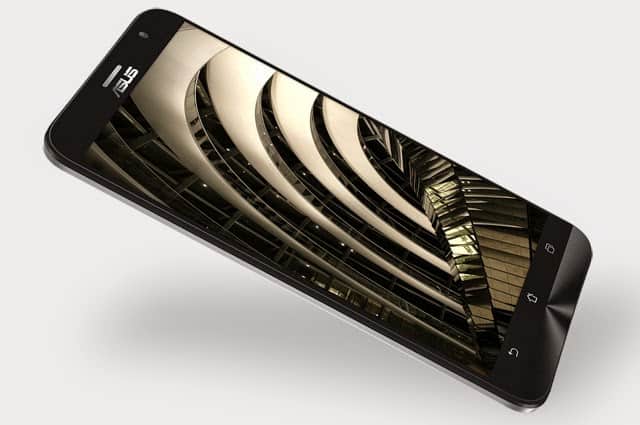
Lenovo Vibe P2 VS Asus Zenfone 3: 4GB RAM beasts
First, let’s come to the most important part of the phone- the heart. Both Zenfone 3 and Lenovo Vibe P2 are the strong devices with an octa-core processor. Not only that, they also pack a hefty 4GB of RAM. With this huge RAM, these two phone can easily handle any app or any game you throw at them. However, Lenovo new phone will give you a better performance with SND 652 chipset. While Zenfone 3 has a SND 625 SoC. Well, Lenovo Vibe P2 VS Asus Zenfone 3, Vibe P1 successor is the winner in this battle.
Let’s move to the camera and battery battles. The primary cameras on these two handsets have the same resolution of 16MP. Besides the resolution of the main camera, there is still no more information about Vibe P2 camera. So, for this round, they’re tied. Although being the successor of Vibe P1, Lenovo P2 battery is not really impressive. However, with 3500mAh, it’s big enough to defeat the one from Asus. Asus phone is backed up with a 3000mAh cell. So, again, Vibe P2 wins this round.
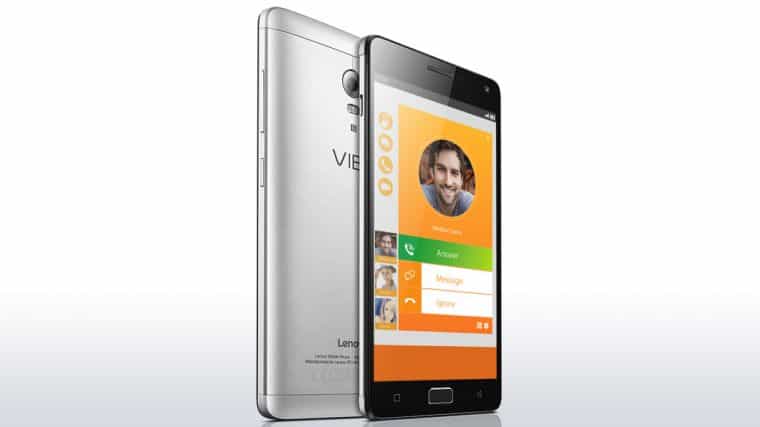
The other Lenovo Vibe P2 specs and Asus Zenfone 3 specs are the same. These two phones come with a 5.5-inch screen with the resolution of 1080 x 1920 px. They both runs on Android 6.0.1 Marshmallow. Besides, the amounts of their expandable inbuilt storages are the same with 64GB.
Lenovo Vibe P2 VS Asus Zenfone 3: price battle
Lenovo Vibe P2 VS Asus Zenfone 3: it seems like we have a winner of this specification battle. Winning all the rounds above, the new phone from Lenovo is now the champion. It has a better processor and a bigger battery life. So, how about their prices? Lenovo Vibe P2 price is expected to be affordable as Lenovo phone usually is- $280. Zenfone 3 3GB RAM version is about $249. So, this 4GB RAM Asus Zenfone 3 price is expected to come at about $300. So, again Lenovo handset defeats its rival.
You May Like
-
Sony Xperia Ultra Max Pro Specs: 200MP Cameras, 19100mAh Battery!
-
-
Nokia Joker 2026 Specs: 200MP Cameras, 9800mAh Battery!
-
Nokia Horizon 2026 Specs: 200MP Cameras, 12800mAh Battery!
-
Nokia Titan 2026 Specs: 16GB RAM, 9700mAh Battery!
-
Redmi Note 15 Series Goes Global With 200MP Cameras, 6580mAh Battery, Price!
Basic phones: 5 things they can do better than smartphones
Among a huge number of smartphones, basic phones stand still in the market. Do you want to know why? Follow us to know!
Basic phones: battery lasts for week
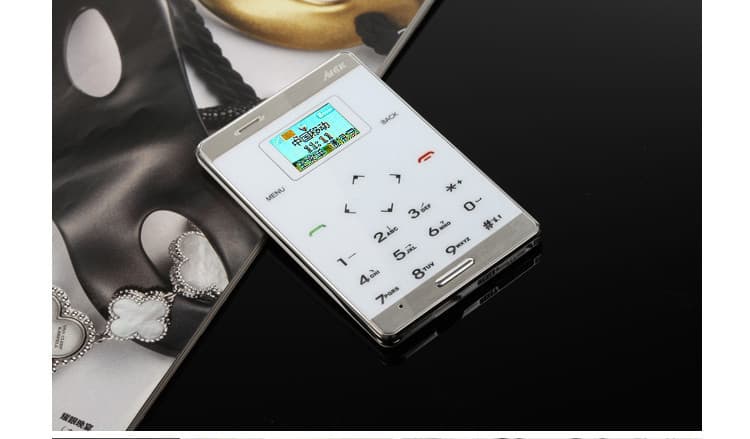
The first reason is the battery life. Back when you have a basic phone, you didn’t need to bring a charger along. The device can last for more than a day, even for a week. This is really convenient for a long day trip. On the other hand, smartphones require you to charge frequently. This is because basic phones consume less energy than smartphones. They have small screens and processor not strong enough to run apps.
The second advantage of basic phones is the price. Compared to smartphones, they are super cheap. And being quoted at the low price doesn’t mean that these phones are not good. Some phones still have great cameras, good interfaces, and good screen resolution. Thirdly, the basic phones come with many unique and different designs. A bar phone, a flip or a slider phone are some examples. With feature phones, you’ll stand out from the crowd.
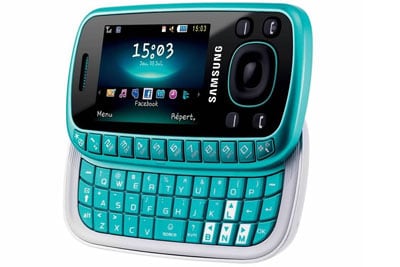
Fourthly, feature phones come with small screen size features. This makes the phones easy to fit in your pocket and neat to handle. On the other hand, smartphones nowadays usually have big sizes (5.7 inches, 6.8 inches). You have to bring a bag or something like that to keep it. And even when you are able to put it in your pocket, it may make you feel annoyed.
Basic phones with high durability
Last but not least, the durability. Having a smartphone means you have to be careful when using it. Even though the phone brands try to make their products more durable and sturdy, they are very easy to get scratches or broken. Opposite to smartphones, basic phones are so much more durable. Even when you drop a feature phone from the height of 6 feet (or more), it still works like nothing happened. There you are, 5 things that basic phones are better at than smartphones.
You May Like
-
Sony Xperia Ultra Max Pro Specs: 200MP Cameras, 19100mAh Battery!
-
-
Nokia Joker 2026 Specs: 200MP Cameras, 9800mAh Battery!
-
Nokia Horizon 2026 Specs: 200MP Cameras, 12800mAh Battery!
-
Nokia Titan 2026 Specs: 16GB RAM, 9700mAh Battery!
-
Redmi Note 15 Series Goes Global With 200MP Cameras, 6580mAh Battery, Price!
Best dual LED flash smartphones and above: 20MP camera, 3GB RAM
Smartphones with multiple LED flashes will produce better pictures in low light condition. Today, we give the best dual LED flash smartphones and above. Let’s have a look!
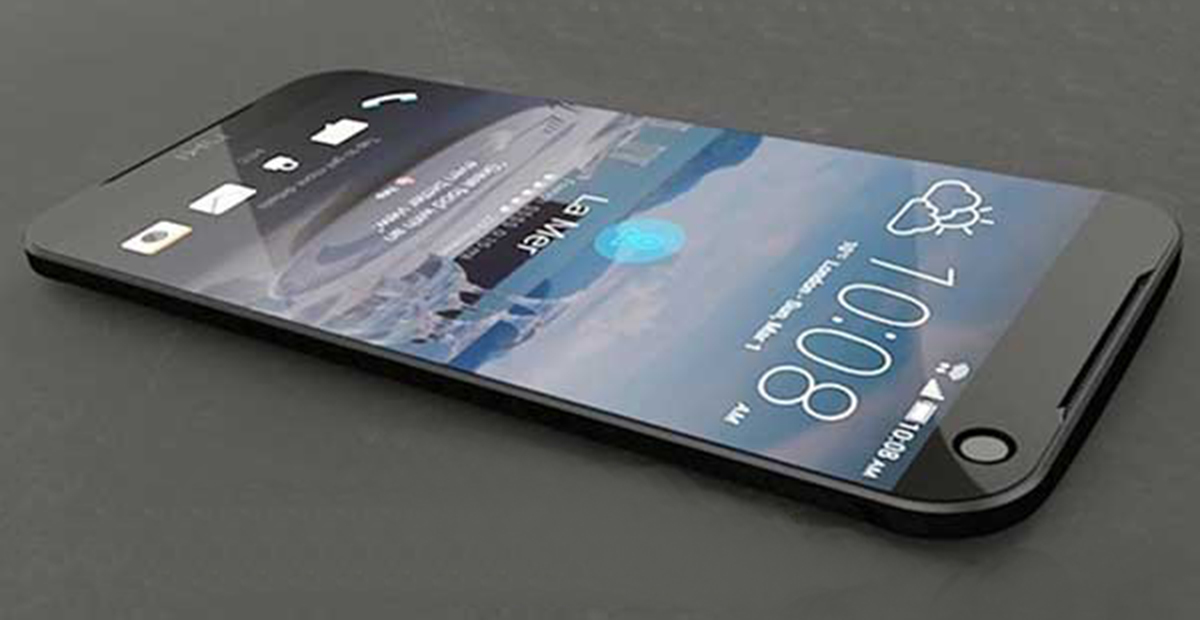
1. Apple iPhone 7 Plus
The first one on our list is iPhone 7 Plus. This year, Apple upgraded the iPhone camera to a whole new level. iPhone 7 Plus main camera is considered as a camera revolution. The US company added a dual 12MP camera with quad LED flash and OIS. This primary cam can give you 2x optical zoom and 10x digital zoom. On the front, you’ll find a 7MP snapper.
The other iPhone 7 Plus specs are also strong. The phone is powered by a 2.23Ghz quad-core A10 Fusion processor and runs on iOS 10. It has 3GB RAM paired with 32/128/256GB of non-expandable ROM. IP7 Plus comes with a 5.5-inch Full HD display and a 2900mAh battery capacity. iPhone 7 Plus price comes in three for three versions: $769 (32GB), $869 (128GB), and $969 (256GB).
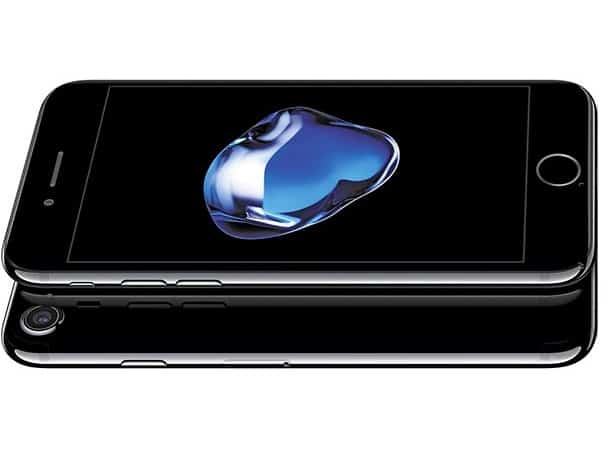
2. Xiaomi Redmi Note 4
The second phone on our list of dual LED flash smartphones is Xiaomi Redmi Note 4. This is one of the best budget flagships of this Chinese company. In terms of Xiaomi Redmi Note 4 specs, there is a 2.1Ghz deca-core Mediatek MT 6797 Helio X20 processor along with Android 6.0 OS. Redmi Note 4 packs 2/3GB of RAM paired with 16/64GB expandable ROM (+up to 256GB). In addition, the new Xiaomi handset has a 5.5-inch FHD display, a huge 4100mAh cell, a 5MP selfie shooter, and a 13MP main cam with dual LED flash. As the budget flagship, Xiaomi Redmi Note 4 price comes in two: $135 (2GB RAM + 16GB ROM) and $180 (3GB RAM + 64GB ROM).
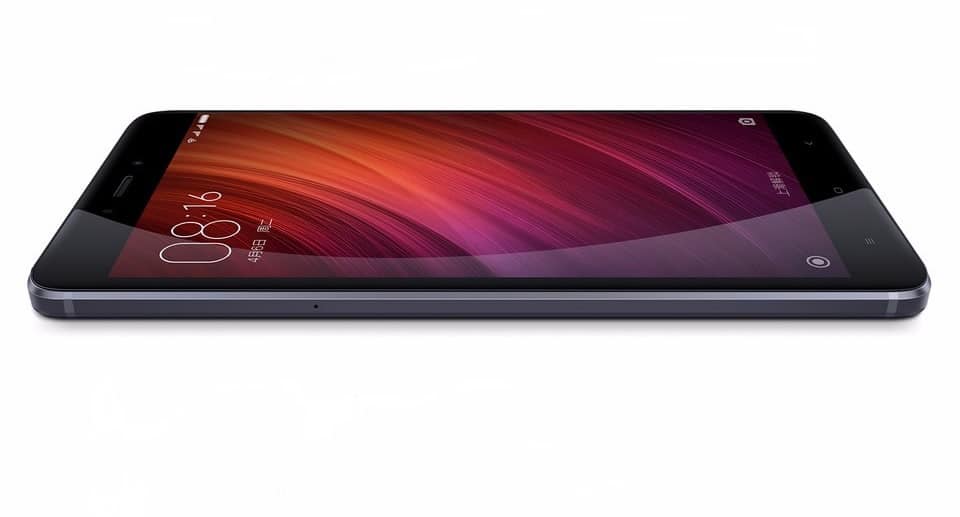
3. Microsoft Lumia 950 XL
Next is Lumia 950 XL. This phone is one of the best devices of Lumia series which is about to be killed off by Microsoft. Under the hood, the phone is powered by an octa-core (4×1.5GHz + 4×2.0GHz) SND 810 processor paired with 3GB RAM. There is 32GB of ROM which can be expanded ith microSD card of up to 256GB. The highlight of Lumia 950 XL specs is its 20MP primary camera. This main shooter comes with f/1.9, OIS, autofocus, and triple LED RGB flash. On the front, you’ll find a 5MP snapper. Besides, there are a 5.7-inch 2K display, a 3300mAh battery, and Windows 10 OS. Lumia 950 XL price is about $438
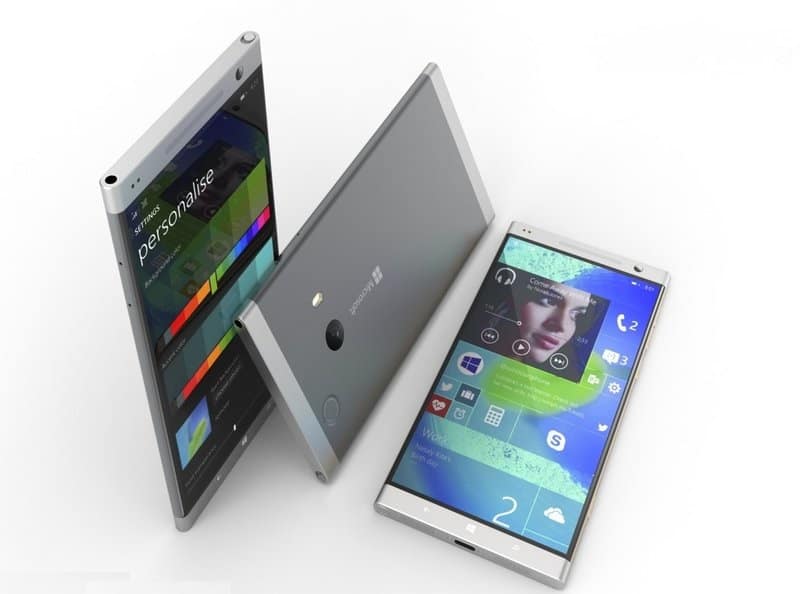
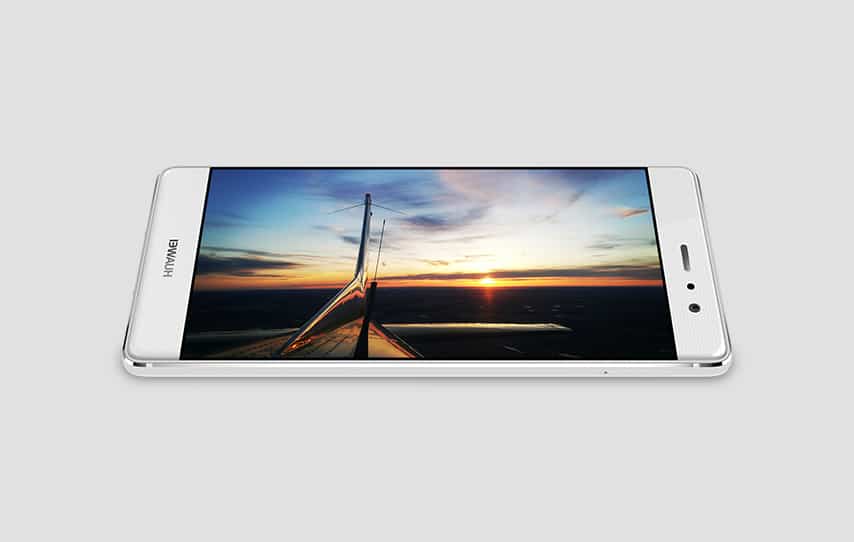
4. Huawei P9
Listing the dual LED flash smartphones, we cannot miss Huawei P9. This is one of the best smartphone cameras in the market. With the dual 12MP Leica camera with dual-LED flash on the back, P9 will give you the best shots. This Huawei phone also has an 8MP camera on the front. Other Huawei P9 specs include an octa-core (4×2.5GHz + 4×1.8GHz) HiSilicon Kirin 955 processor, 3/4GB RAM paired with 32/64GB ROM (+up to 256GB), and a 5.2-inch FHD display. It runs on Android Marshmallow OS, and has a 3000mAh battery. Huawei P9 price is about $494
5. HTC 10
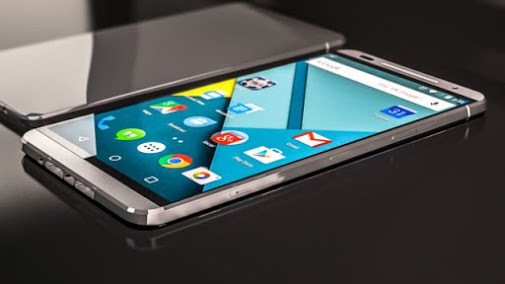
Last but not least, HTC 10. This latest flagship of HTC also comes with a dual-LED flash camera on the back with the resolution of 12MP. On the front, there is a 5MP with f/1.8 camera. HTC 10 is powered by a quad-core (2×2.15GHz + 2×1.6GHz) SND 820 SoC and Android 6.0.1 OS. It comes in 2 versions: 4GB RAM paired with 32/64GB expandable storage (+up to 256GB). The other two HTC 10 specs are a 5.2-inch Quad HD display and a 300mAh capacity battery. HTC 10 price is quoted at about $753
Best dual LED flash smartphones and above: 20MP camera, 3GB RAM
Those are the best dual LED flash smartphones and above in the market. Those phones come with not only a dual LED flash but also triple or even quad LED flash. With those phone, you don’t need to worry when taking pictures in the low light condition. Which one above is your favorite?
You May Like
-
Sony Xperia Ultra Max Pro Specs: 200MP Cameras, 19100mAh Battery!
-
-
Nokia Joker 2026 Specs: 200MP Cameras, 9800mAh Battery!
-
Nokia Horizon 2026 Specs: 200MP Cameras, 12800mAh Battery!
-
Nokia Titan 2026 Specs: 16GB RAM, 9700mAh Battery!
-
Redmi Note 15 Series Goes Global With 200MP Cameras, 6580mAh Battery, Price!
LeEco Pro 3 vs OnePlus 3: BEASTS with 6GB RAM, 64GB ROM and…
LeEco Pro 3 has just been leaked on Antutu lately with similar specs as OnePlus 3 specs. So we find it interesting to compare LeEco Pro 3 vs OnePlus 3! Let’s see which one wins!
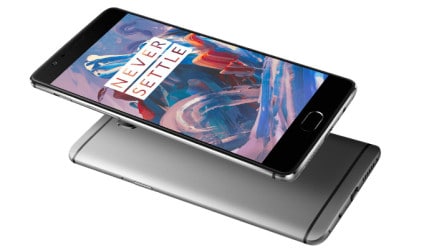
LeEco Pro 3 vs OnePlus 3: Chinese BEASTS with amazing specs
First of all let’s talk about the hardware! Both LeEco Pro 3 vs OnePlus 3 come with a massive 6GB RAM, which will drive the system flawlessly. However, the chipsets they use are not the same! At the heart of LeEco Pro 3, there will be a Snapdragon 821 chipset – one of the latest and most powerful chipsets in the world. Meanwhile, OnePlus 3 arrives with a less powerful one – Snapdragon 820, but it is still a desirable feature in the industry!
What about the camera? LeEco Pro 3 vs OnePlus 3 share the same camera combo. To be more specific, they both pack a 16MP camera on the rear and an 8MP on the front. While there’s no further information about the camera technology of Pro 3, it’s official that the 16MP camera of OnePlus is equipped with phase detection autofocus, f/2.0 aperture and optical image stabilization. To store taken images and other files, users are offered 64GB ROM, from both phones.

Talking about battery, there’s quite a huge difference between LeEco Pro 3 vs OnePlus 3. LeEco Pro is reported to pack a massive 5000mAh battery. Meanwhile, what we can find in OnePlus 3 is a more humble 3000mAh cell. As for the display, we haven’t receive any detail about the size and the resolution of LeEco Pro 3 screen yet. On the other hand, OnePlus 3 display is a 5.5-inch full HD one.
LeEco Pro 3 vs OnePlus 3: Which one is the winner?
From the comparison between LeEco Pro 3 specs and OnePlus 3 specs above, we can easily see that LeEco Pro 3 is better in terms of specs. It has faster processor and bigger battery. However, LeEco Pro 3 price is still unknown. We suspect it will be higher than LeEco Le 2 Pro, which is priced at $230. OnePlus 3 price is around $437 . Consider the pricing of LeEco devices, we think Pro 3 has a good chance to beat OnePlus 3 in terms of price. So are you impressed with LeEco specs? Or do you think OnePlus 3’s performance still holds its ground?
You May Like
-
Sony Xperia Ultra Max Pro Specs: 200MP Cameras, 19100mAh Battery!
-
-
Nokia Joker 2026 Specs: 200MP Cameras, 9800mAh Battery!
-
Nokia Horizon 2026 Specs: 200MP Cameras, 12800mAh Battery!
-
Nokia Titan 2026 Specs: 16GB RAM, 9700mAh Battery!
-
Redmi Note 15 Series Goes Global With 200MP Cameras, 6580mAh Battery, Price!


